What happened
Hyperscalers (large cloud providers like Meta, Alphabet, Amazon, and Microsoft) have issued $236 billion(約38兆円) in AI-related debt as of May 31, four times the amount from one year prior, to fund massive data center buildouts. Morgan Stanley projects this will grow to $570 billion(約91兆円) by the end of 2026.
Why it matters
Investor appetite for these bonds is cooling rapidly—cover ratios for hyperscaler debt fell from 5x in February to just 2x in July, meaning these companies will likely need to pay higher interest rates to keep borrowing. Bond investors' skepticism can signal financial stress before it shows up in stock prices, so equity investors should watch this shift closely.
What to watch
The four largest hyperscalers are projected to spend a total of $700 billion(約110兆円) on capital expenditure this year, mostly for AI, with spending expected to only increase in coming years. SpaceX's bonds currently trade at a 1.62-percentage-point premium over Treasuries, placing them in the non-investment grade ('junk') category despite strong initial stock demand.
Summaries like this, in your inbox every morning.
Hyperscalers are caught in an escalating capital cycle: the sheer scale of AI data center buildouts has forced them away from relying purely on cash flows and into the bond market for funding. Morgan Stanley's projection of $570 billion(約91兆円) in AI bond issuance by end of 2026 underscores the magnitude of this shift. What makes this moment significant is the divergence between equity and bond investor sentiment—stock buyers initially rushed to snap up the offerings (as evidenced by early SpaceX stock enthusiasm), but bond investors, who prioritize capital preservation and near-term cash flow, are signaling caution through lower demand and wider credit spreads.
This caution is already visible in concrete metrics: the cover ratio collapse from 5x to 2x in just six months suggests a sharp erosion in appetite. SpaceX, while not a traditional hyperscaler, illustrates the broader pattern—its $29 billion(約4.6兆円) long-term debt now trades at a 1.62-percentage-point premium over Treasuries, placing it in junk territory despite the stock's initial rally. Bond investors' skepticism matters because they are typically early detectors of financial stress; equity investors who ignore these signals may be exposed to a repricing if the data center investments fail to generate expected returns quickly enough to service the mounting debt.
Pick your industry and the AI tools you use, and get news related to your work every day.
Free · 30 seconds with Google · unsubscribe anytimeWhat is AIToday? →
Ask AI anything about this article. The AI reads this article, earlier AIToday articles, and Wikipedia, and cites its sources. Q&As are published on this page for other readers too.
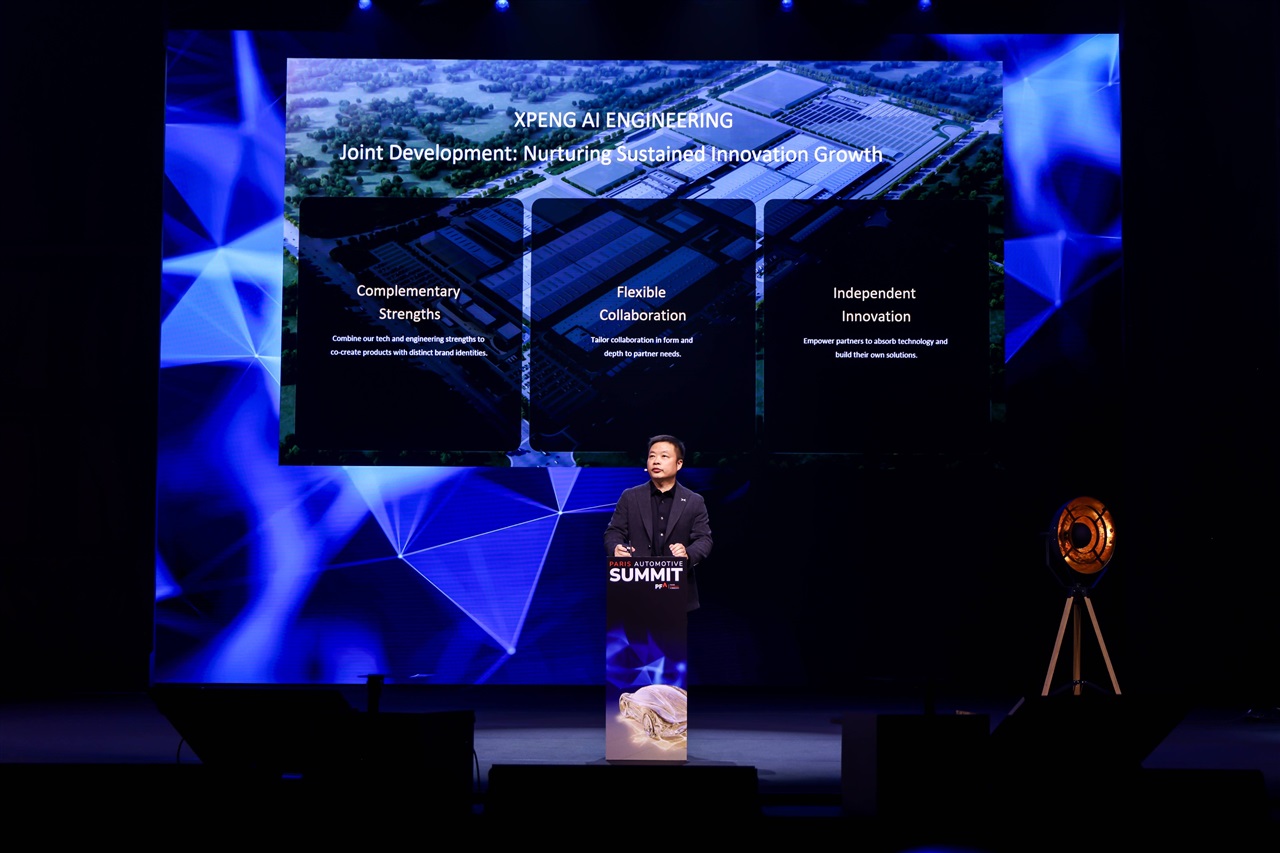
XPeng appeared at the Paris Automotive Summit, presenting not only automotive expertise but a broader technolo…
Itaú's ia.i, a text- and voice-activated assistant spanning accounts, credit, cards and insurance, reached abo…
Amazon introduced Bee Frontier, a wearable personal AI, for $74.99 in Onyx, Lavender and Sage, and Bee Eclipse…

Wall Street ended down sharply, with worries about the AI trade and high oil prices weighing on the market

Citi has become the latest US bank to restrict AI agents from accessing accounts, per the Financial Times

Dell says its AI Data Platform uses a four-engine architecture and a Unified Semantic Layer to connect siloed…