What happened
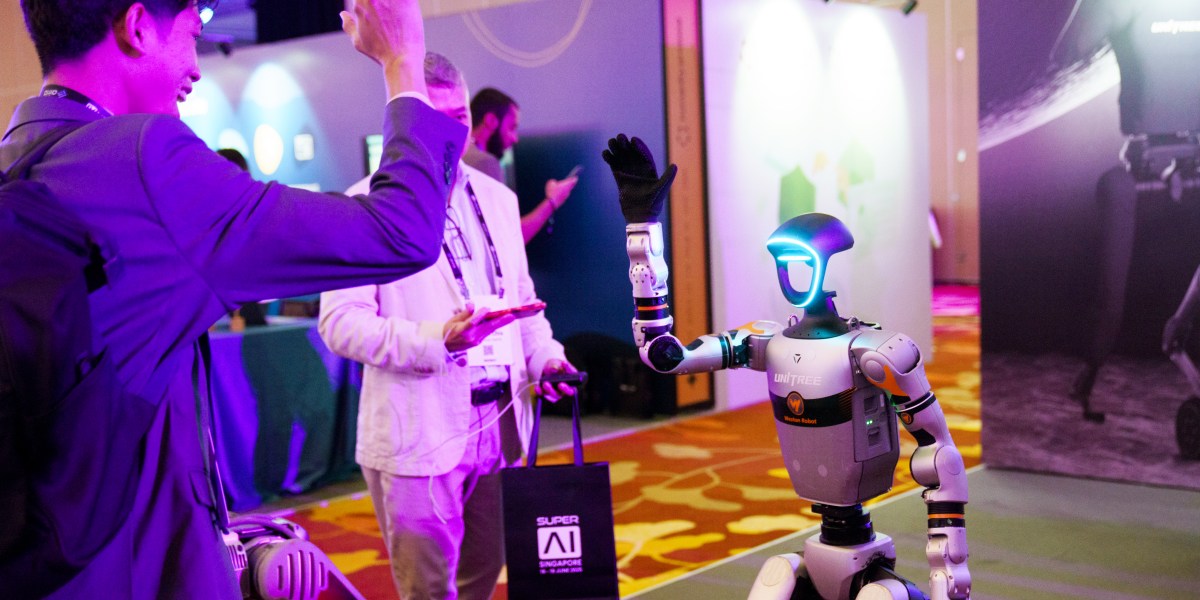
OpenAI opened a regional office in Singapore in 2024 and committed $234 million(約370億円) to growing the country's AI ecosystem, including an applied AI lab—the first outside of the U.S. Google DeepMind, Anthropic, and Chinese firms like Tencent have also established or expanded operations there. Plaud announced it would spend 10 million Singapore dollars ($7.8 million(約12億円)) to expand its local operations and grow headcount from 100 to 150 by the end of the year.
Why it matters
Singapore markets itself as a stable, trustworthy place to do business—an advantage as global AI firms shift focus from building giant models to selling real-world applications. For Chinese tech companies, Singapore serves as a crucial first step to operate globally while avoiding regulatory constraints at home. For U.S. firms, the country offers access to a large customer base in Asia Pacific. However, the deal last month where Beijing forced the unwinding of Meta's $2 billion(約3200億円) acquisition of Manus AI—despite the company being legally based in Singapore—signals that Singapore's neutrality cannot shield a company from either superpower's scrutiny.
What to watch
Singapore released its national AI R&D plan in January and announced a 1 billion Singapore dollar investment in AI infrastructure. The country plans to open an AI industrial park called Kampong AI in 2028 with workspaces and housing to attract startups. Whether major U.S. restrictions—such as the recent U.S. government bar on non-U.S. individuals accessing Anthropic's Mythos model—will limit Singapore's ability to attract and retain AI talent and operations.
Summaries like this, in your inbox every morning.
Pick your industry and the AI tools you use, and get news related to your work every day.
Free · 30 seconds with Google · unsubscribe anytimeWhat is AIToday? →
Ask AI anything about this article. The AI reads this article, earlier AIToday articles, and Wikipedia, and cites its sources. Q&As are published on this page for other readers too.
The Motley Fool argues Amazon is the AI company of the two, since AWS was just 21% of first-half 2026 revenue…

Hewlett Packard Enterprise stock is down 5% at $55.87
Vercel data published Thursday shows TypeSafe AI's Jev, a lightweight decision model for choosing among predet…
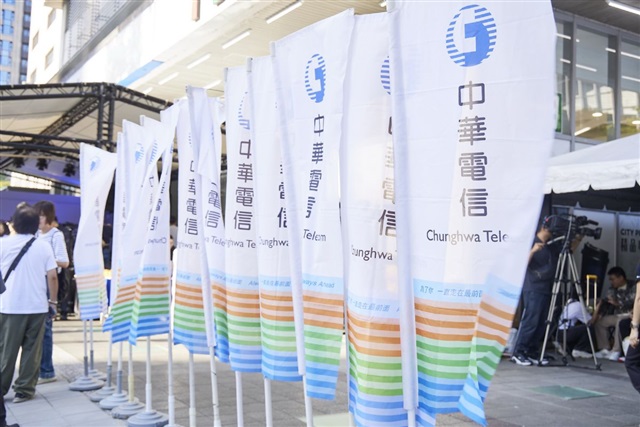
Chunghwa Telecom president Rong-shy Lin said the shift from conversational AI to autonomous AI agents is resha…
CoreWeave fell 5% in premarket trading Friday and was on track to finish the week down 15%, after rebounding f…
Apple and Meta said they would jointly release a new open-weight AI model designed to run on high-end Macs, ai…