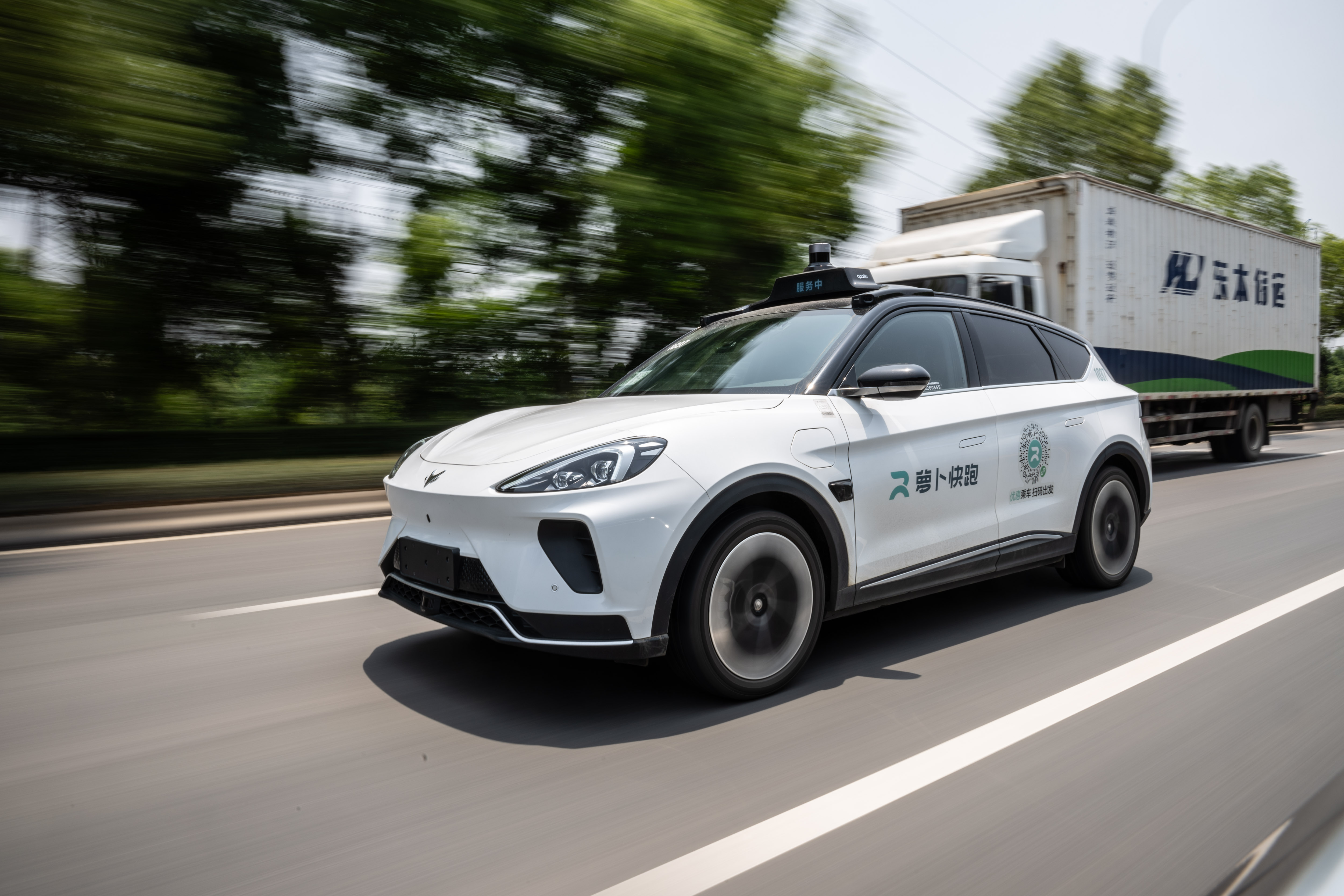
Dozens of Baidu's Apollo Go robotaxis froze in traffic last month in Wuhan, prompting China to suspend new licenses for autonomous vehicles. The restrictions prevent companies from adding new driverless cars to their fleets, expanding into new cities, or starting new test projects.
The Wuhan incident alarmed authorities in Beijing, causing regulators to urge local governments to review the sector. Baidu's Wuhan operations remain on pause while local authorities investigate.
It is unclear when officials will start issuing new licenses again. This is at least the second time regulators have intervened after a Baidu-related incident.
Summaries like this, in your inbox every morning.
Pick your industry and the AI tools you use, and get news related to your work every day.
Free · 30 seconds with Google · unsubscribe anytimeWhat is AIToday? →
Ask AI anything about this article. The AI reads this article, earlier AIToday articles, and Wikipedia, and cites its sources. Q&As are published on this page for other readers too.
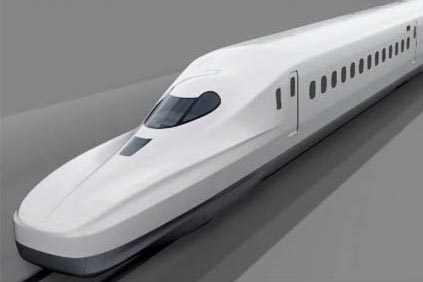
JR Central announced the S0系 on October 16, its first full model change since the N700S, with commercial servi…
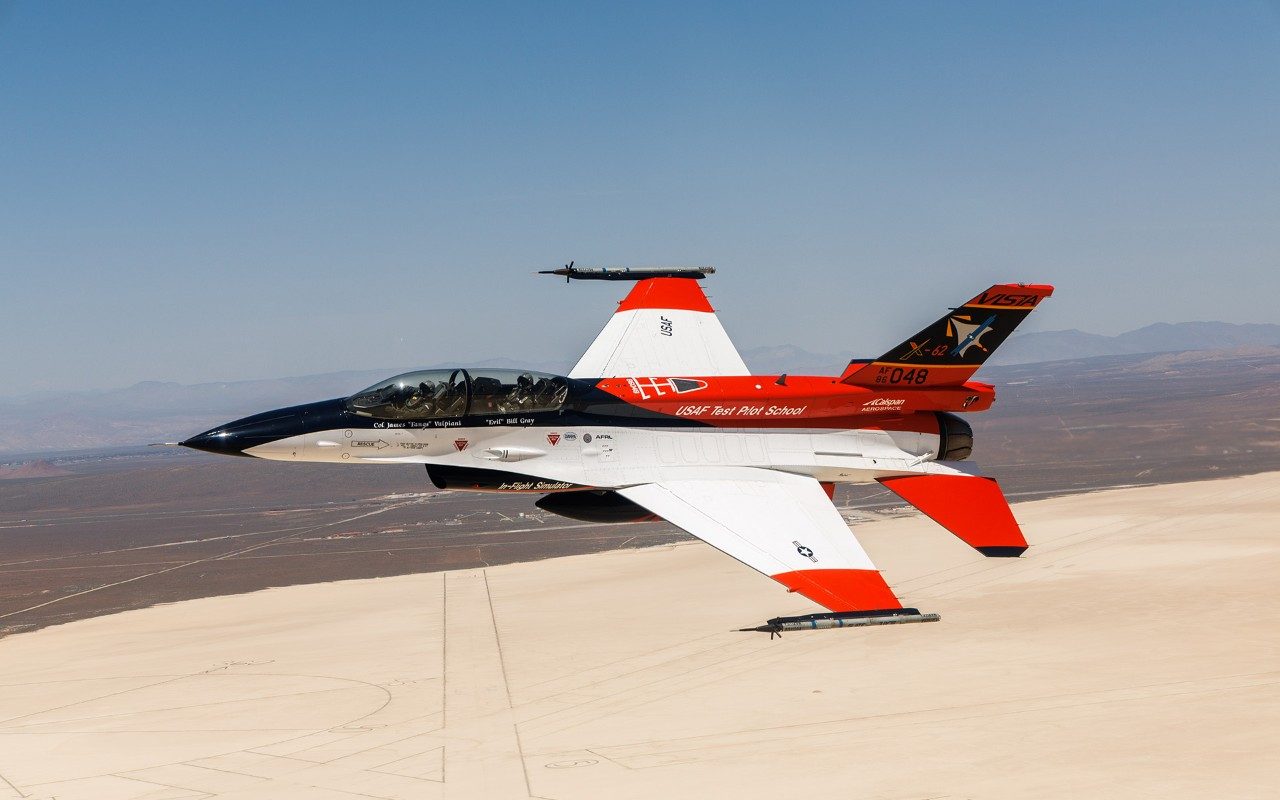
The Air Force upgraded the X-62 VISTA with advanced radar, expanded sensors and computing, and modern network…
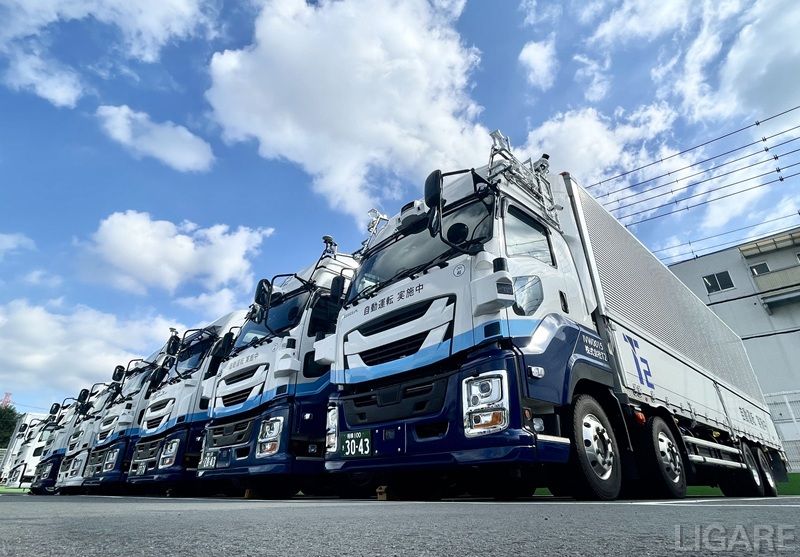
T2 said it will join ENEOS and others in the Agency for Natural Resources and Energy's demonstration project f…
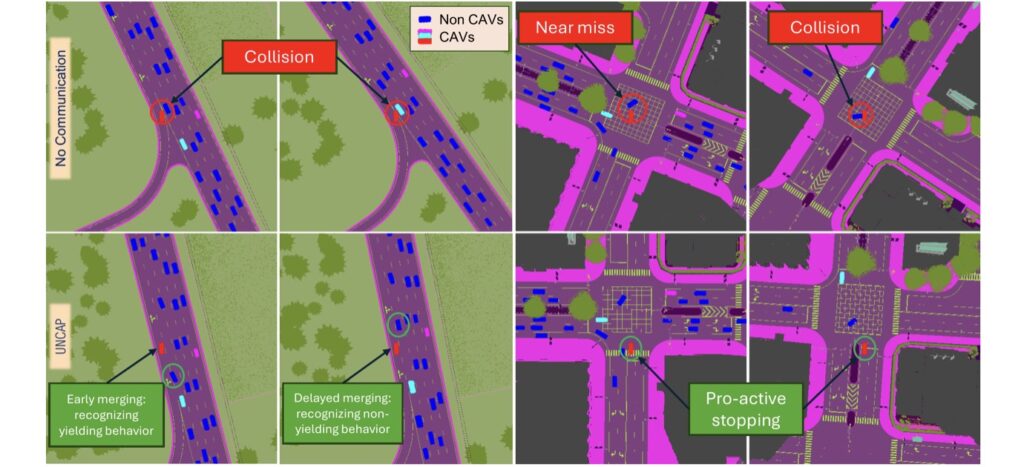
Researchers present neurosymbolic planning using natural language communication for cooperative autonomous veh…
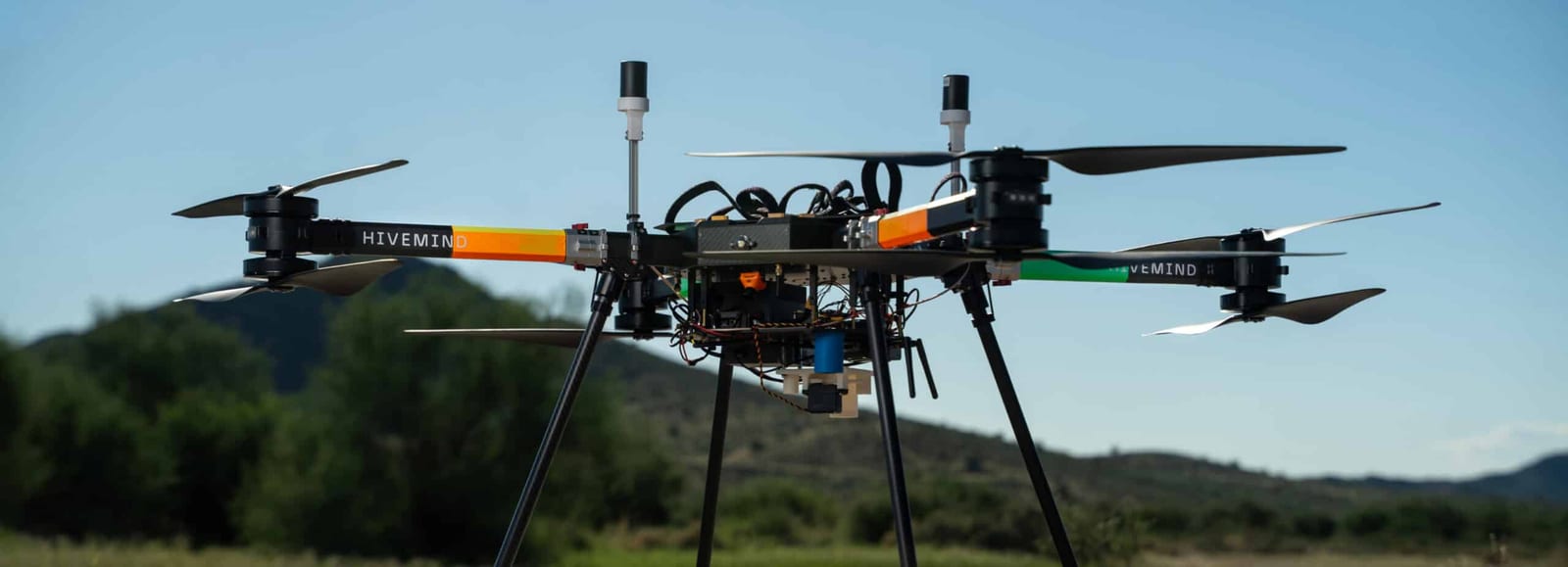
Honeywell Aerospace flew a BFD-SE8 autonomously in mid-June, six weeks after starting Shield AI's Hivemind Ent…
Sony will exhibit at CEATEC 2026, held October 13–16 at Makuhari Messe in Chiba, under the theme "Where Ideas…