What happened
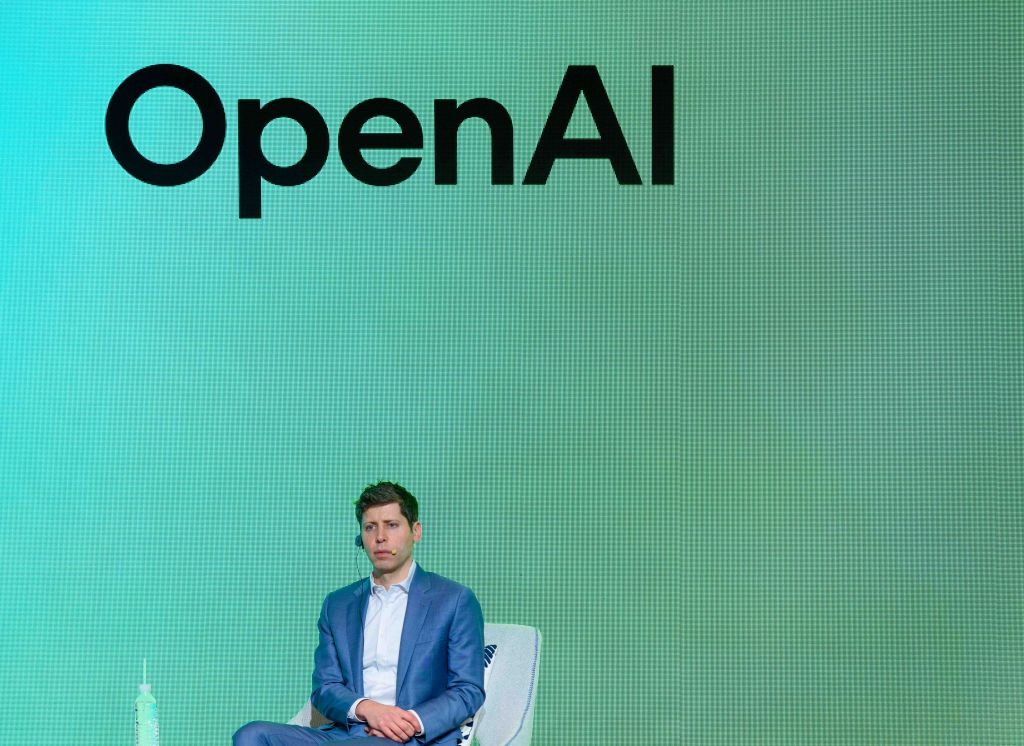
OpenAI issued a statement Tuesday rejecting Apple's allegations in a trade secret lawsuit filed Friday in U.S. District Court for the Northern District of California. Apple's 41-page complaint claims OpenAI employees who previously worked at Apple coordinated efforts to obtain confidential information, and names Chief Hardware Officer Tang Tan, who spent 24 years at Apple as vice president of product design for iPhone and Apple Watch.
Why it matters
Apple alleges OpenAI used its confidential information to develop competing hardware. Bloomberg reported Tuesday that OpenAI is developing a mobile, screen-free smart speaker with moving mechanical elements, being built with input from several former Apple engineers. The dispute highlights risks when employees move between major tech companies, especially as OpenAI—which acquired Jony Ive's startup io—enters the hardware market.
What to watch
This is OpenAI's first substantive comment on the case itself. The company stated it has "no interest in other companies' trade secrets" and believes in "fair competition and allowing people the freedom to work wherever they choose."
Summaries like this, in your inbox every morning.
Apple's lawsuit centers on a fundamental tension in the tech industry: the mobility of talented engineers between rival companies. Tang Tan's 24-year tenure at Apple, where he held senior product design roles for flagship products like the iPhone and Apple Watch, makes him a high-value hire for OpenAI—but also a potential conduit for confidential knowledge. Apple's complaint alleges that this mobility, combined with OpenAI's simultaneous push into hardware (underscored by the io acquisition), created an opportunity for the transfer of trade secrets.
OpenAI's response frames the dispute around principles rather than specific denials: the company asserts it has "no interest in other companies' trade secrets" and champions employee freedom. However, the parallel reporting on OpenAI's smart speaker project—a device with no screen but moving mechanical elements, built by former Apple engineers—suggests the two sides have fundamentally different views about what constitutes permissible knowledge transfer versus misappropriation. The lawsuit is the first time OpenAI has directly addressed the merits of Apple's allegations, marking a shift from its initial statement hours after the complaint was filed.
Pick your industry and the AI tools you use, and get news related to your work every day.
Free · 30 seconds with Google · unsubscribe anytimeWhat is AIToday? →
Ask AI anything about this article. The AI reads this article, earlier AIToday articles, and Wikipedia, and cites its sources. Q&As are published on this page for other readers too.
Holtek Semiconductor unveiled its 2026 product roadmap on October 15, focusing on four core areas: smart prote…
Supermicro Computer appointed Mark Long as chief financial officer, bringing an experienced technology finance…

TSMC reported about NT$763.1b in Q3 net profit and confirmed that demand for advanced processors is running ah…
Nvidia-backed CoreWeave steadied Thursday after a sharp slump, as investors worried about the debt financing b…
Weathernews said on October 15 it implemented its own AI weather-forecasting model, AI-Nowcast, in its Weather…

TOPPAN Holdings and Keio University ran a quantum-computer and generative-AI proof-of-concept from February 1…