What happened
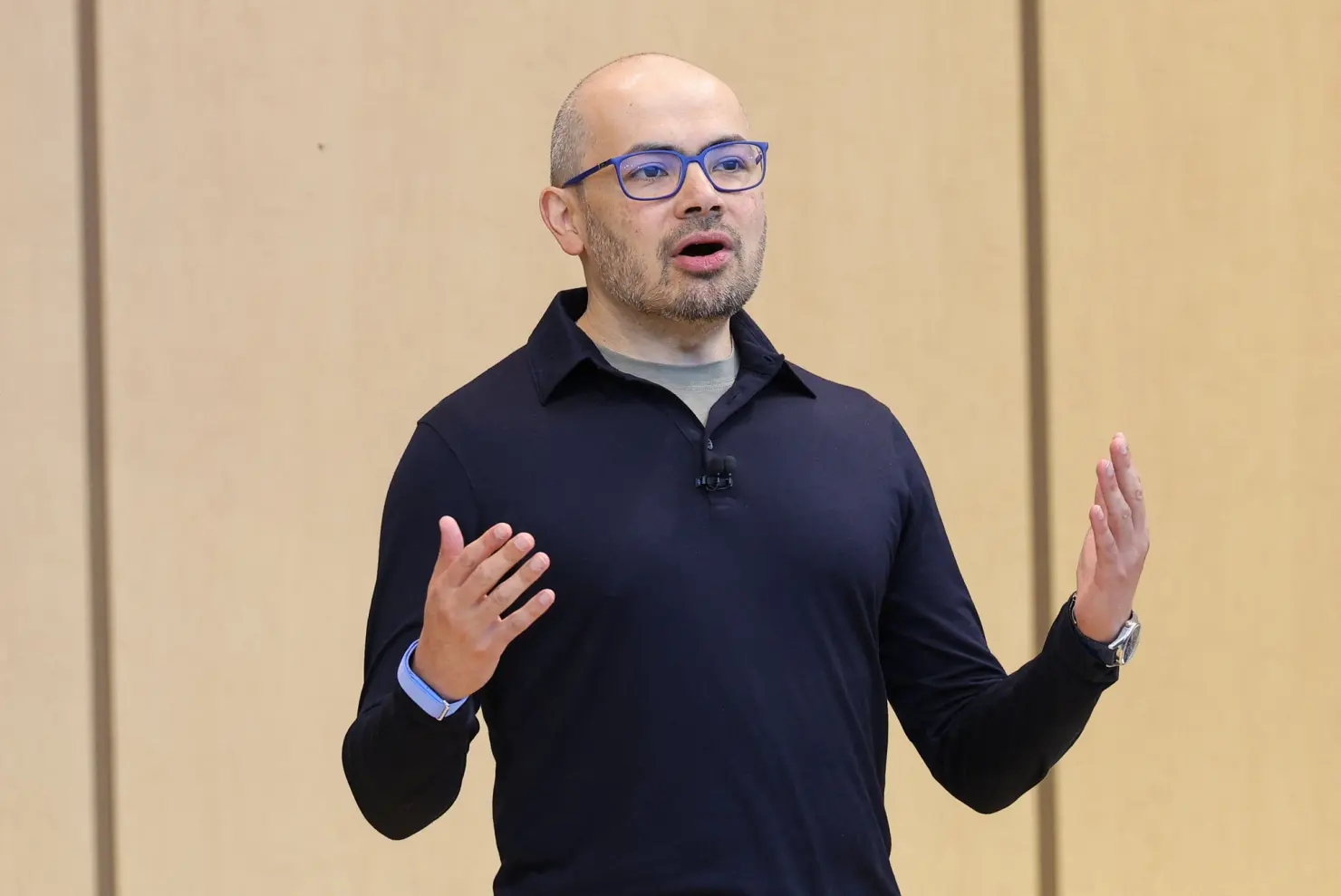
On Tuesday, Demis Hassabis, CEO of Google's DeepMind, published an article proposing a self-regulatory body of AI experts modeled after the US Financial Industry Regulatory Authority. The proposal drew support from All-In host Chamath Palihapitiya and competitors at Microsoft and OpenAI.
Why it matters
The US AI industry faces pressure from lawmakers and the public for clear policy direction amid growing populist anger. Other industry leaders—including OpenAI's Sam Altman, Anthropic's Dario Amodei, Elon Musk, and Mark Zuckerberg—carry baggage that complicates their ability to send a unified message. Hassabis, based in London and largely removed from Silicon Valley's competitive tensions, appears to have the credibility to unite the industry around a single policy framework.
What to watch
Hassabis won the Nobel Prize in chemistry in 2024 for pioneering the use of AI in protein prediction, which adds weight to his standing as an authority on AI's societal impact.
Summaries like this, in your inbox every morning.
The US AI industry is at an inflection point: lawmakers and the public are demanding clearer policy frameworks and more careful regulation, yet the sector's most prominent voices carry reputational baggage that undermines their ability to speak with one voice. Sam Altman faces criticism as a capitalist mercenary; Dario Amodei has been accused of spreading fear; Elon Musk and Mark Zuckerberg have histories that distract from their AI messages. Hassabis's intervention—proposing a self-regulatory framework modeled on the Financial Industry Regulatory Authority—breaks this logjam precisely because he has insulated himself from the bare-knuckle competition of Silicon Valley. His 2024 Nobel Prize in chemistry for advances in AI-driven protein prediction further elevates his credibility as an authority on AI's societal value rather than a mere business competitor. The swift, cross-partisan support for his proposal—from accelerationist Chamath Palihapitiya as well as from rivals Microsoft and OpenAI—suggests the industry recognizes that self-regulation under a trusted, neutral figure may be the most effective way to address public and legislative concerns.
Pick your industry and the AI tools you use, and get news related to your work every day.
Free · 30 seconds with Google · unsubscribe anytimeWhat is AIToday? →
Ask AI anything about this article. The AI reads this article, earlier AIToday articles, and Wikipedia, and cites its sources. Q&As are published on this page for other readers too.

