
Alphabet's Google Cloud division posted a backlog of $514 billion(約82兆円) in contracted work during the second quarter, surpassing the GDP of most countries globally. The milestone underscores explosive demand for AI infrastructure and enterprise AI solutions—nearly 90% of Fortune 100 companies now use Gemini Enterprise—but comes at a steep cost: the company doubled capital spending to $44.9 billion(約7.2兆円) in Q2 and raised full-year capex guidance to $195 billion(約31兆円)–$205 billion(約33兆円), turning free cash flow negative and triggering a stock decline despite a strong earnings beat.
Summaries like this, in your inbox every morning.
Sign up free →What happened
Alphabet reported second-quarter revenue of $119.8 billion(約19兆円) (up 24% year-over-year) and profit of $112.1 billion(約18兆円). Google Cloud's backlog—contracted work awaiting delivery—climbed to $514 billion(約82兆円), up from $490 billion(約78兆円) the prior quarter.
Why it matters
The $514 billion(約82兆円) backlog exceeds the 2026 GDP projections of most countries, including the Philippines, Bangladesh, Denmark, Romania, and South Africa, sitting just below Malaysia's projected $516.4 billion(約83兆円) economy. Only 38 economies globally are projected to have a larger GDP. This reflects intense enterprise demand for AI infrastructure and solutions, with CEO Sundar Pichai noting nearly 90% of the Fortune 100 using Gemini Enterprise.
What to watch
Alphabet raised full-year capital expenditure guidance to $195 billion(約31兆円)–$205 billion(約33兆円) (up from $44.9 billion(約7.2兆円) spent in Q2, double the prior year), and free cash flow turned negative at $5.9 billion(約9400億円). The stock slid in after-hours trading despite the earnings beat, signaling market concern about the spending trajectory needed to service the growing backlog.
Alphabet delivered a blockbuster second quarter on Wednesday, with revenue rising 24% to $119.8 billion(約19兆円) (from $96.4 billion(約15兆円) a year prior) and profit surging to $112.1 billion(約18兆円), up dramatically from $28.1 billion(約4.5兆円) in the prior-year period. The growth was broad-based: Search and Other revenue grew 17%, YouTube Ads grew 13%, and cloud revenue grew 82%. That cloud strength was powered by robust demand for AI infrastructure and AI solutions.
Buried in the cloud numbers is a metric of striking economic scale: Google Cloud's backlog—the contracted work still awaiting delivery—climbed to $514 billion(約82兆円), up from $490 billion(約78兆円) in the prior quarter. According to IMF World Economic Outlook data from April, that figure alone exceeds the 2026 GDP projections of most countries. It outsizes the Philippines, Bangladesh, Denmark, Romania, and South Africa, and sits just below Malaysia's projected $516.4 billion(約83兆円) economy. Only 38 economies globally are estimated to have a 2026 GDP larger than Google Cloud's backlog.
The backlog's growth reflects extraordinary enterprise adoption of Alphabet's AI offerings. Google Cloud posted quarterly revenue of $24.8 billion(約4兆円), with operating income tripling from $2.8 billion(約4500億円) to $8.8 billion(約1.4兆円) (a 35.6% margin). CEO Sundar Pichai highlighted the momentum in Gemini Enterprise, Alphabet's AI product for businesses: "It's great to see the wide adoption of Gemini Enterprise, with nearly 90% of the Fortune 100 using it."
However, servicing this demand comes at a steep price. Capital expenditures hit $44.9 billion(約7.2兆円) in the quarter, more than doubling the $22.4 billion(約3.6兆円) spent a year earlier. Free cash flow turned negative, at $5.9 billion(約9400億円). Looking ahead, Alphabet raised its full-year capital expenditure guidance to $195 billion(約31兆円)–$205 billion(約33兆円), a massive allocation reflecting the infrastructure build-out required to meet the backlog of AI work. The spending guidance spooked markets: despite the earnings beat, Alphabet's stock slid in after-hours trading on Wednesday.
Alphabet's second-quarter results reveal the dual nature of the AI boom: explosive demand paired with staggering infrastructure costs. The $514 billion(約82兆円) Google Cloud backlog is a testament to enterprise hunger for AI capabilities—the company's cloud revenue grew 82% in the quarter, powered by strong demand for AI infrastructure and solutions—but the backlog's magnitude also illustrates the scale of delivery obligations now sitting on Alphabet's balance sheet.
The backlog's economic significance cannot be overstated. By IMF projections, it exceeds the 2026 GDP of most nations, ranking just below Malaysia's projected $516.4 billion(約83兆円) economy and ahead of economies like the Philippines, Bangladesh, Denmark, Romania, and South Africa. This concentration of contractual commitment in a single company's cloud division underscores how concentrated AI infrastructure demand has become and how central Alphabet has become to enterprise AI adoption.
Yet the market's caution is evident. Despite posting profit of $112.1 billion(約18兆円) (a fourfold jump from $28.1 billion(約4.5兆円) a year earlier) and beating Wall Street revenue estimates, Alphabet's stock declined in after-hours trading following the company's capex guidance hike to $195 billion(約31兆円)–$205 billion(約33兆円) for the full year—more than double what the company spent in the prior year. Free cash flow turned negative at $5.9 billion(約9400億円), signaling that the return on these massive infrastructure investments remains uncertain and that the company is betting heavily on sustained demand for AI compute.
AI-summarized, only the topics you pick — one digest a day via Email, Slack, or Discord.
Free · takes 30 seconds · unsubscribe anytime
No comments yet. Be the first to share your thoughts!
Log in to join the discussion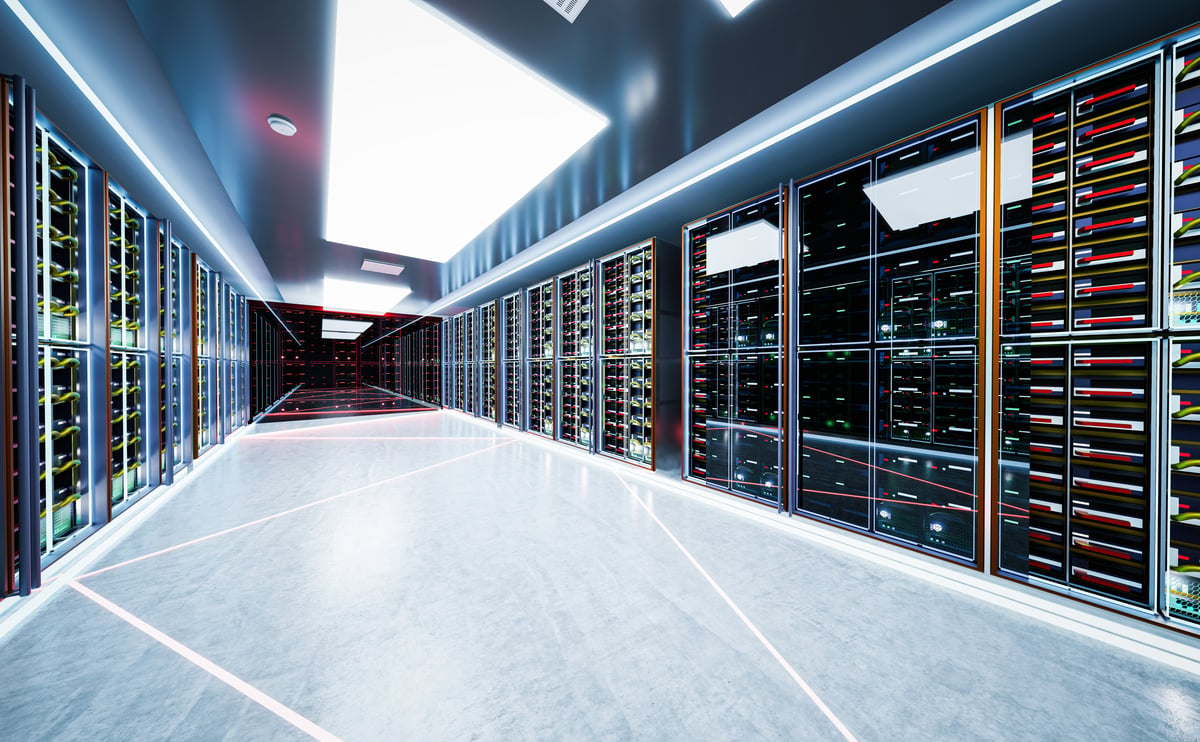



Get curated AI news from 200+ sources delivered daily to your inbox. Free to use.
Get Started FreeFree · takes 30 seconds · unsubscribe anytime
