What happened
The U.S. Department of Commerce ordered Anthropic to stop providing access to its Mythos and Fable 5 models to non-U.S. nationals and anyone outside the U.S., prompting the company to suspend access for all users. In response, Chinese AI labs are marketing open-source models as a safer, unrestricted alternative. Knowledge Atlas released GLM-5.2 and saw its shares surge by over 30% in Hong Kong trading, while Chinese models (DeepSeek, MiniMax, Tencent, Xiaomi) became the top four most-used models on OpenRouter, a platform for accessing different AI models.
Why it matters
The ban highlights the risk governments face by relying on a single country's frontier AI models and may prompt other nations to invest in sovereign AI—domestically-developed and -controlled AI systems. Open-source models allow users to download and run them on their own computers or cloud networks, effectively bypassing government and developer access controls. This is particularly significant for developing countries where Chinese models are seen as a good trade-off between price and performance.
What to watch
DeepSeek's V4 model costs $3.48 for 1 million tokens of output, compared with Anthropic's Fable 5 at $50 for the same output. DeepSeek's V4 performs at approximately the same level as Anthropic's Claude Opus 4.6 and OpenAI's GPT 5.4 (released in February and March 2026, respectively), though the Chinese startup estimated it was three to six months behind state-of-the-art frontier models. Until there is further clarity about what criteria the U.S. government will use in assessing frontier models, companies and governments are expected to explore non-U.S. origin models from Mistral, Cohere, and Chinese labs.
Ask the AI about this article →
For example, today's edition would include:
AI-summarized, only the topics you pick — one digest a day via Email, Slack, or Discord.
Free · takes 30 seconds · unsubscribe anytimeWhat is AIToday? →
Ask AI anything about this article. Q&As are published on this page for other readers too.
Phonely Ltd. launched Alma, a large language AI model built for voice agents and trained on over 10 million re…

Aranya Inc., a startup founded last year, launched today with $11 million in funding

CBTS Technology Solutions LLC launched Forge Agents, a platform that turns a plain-language job description in…

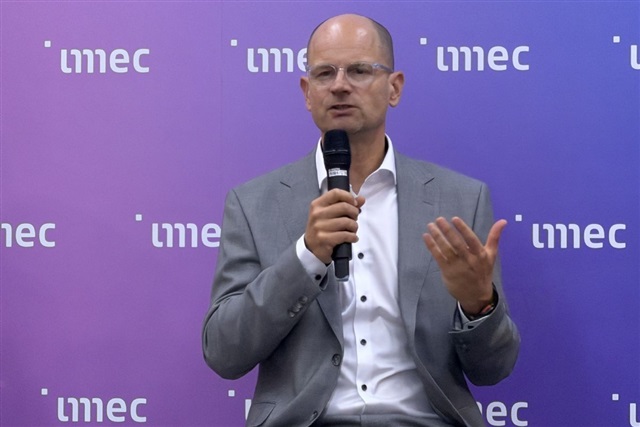
Imec CEO Patrick Vandenameele said at SEMICON Taiwan 2026 that the Belgian research center is broadening its c…
Alphabet's AI Overviews now reach over 2.5 billion monthly users through Google Search, and its ad business ge…
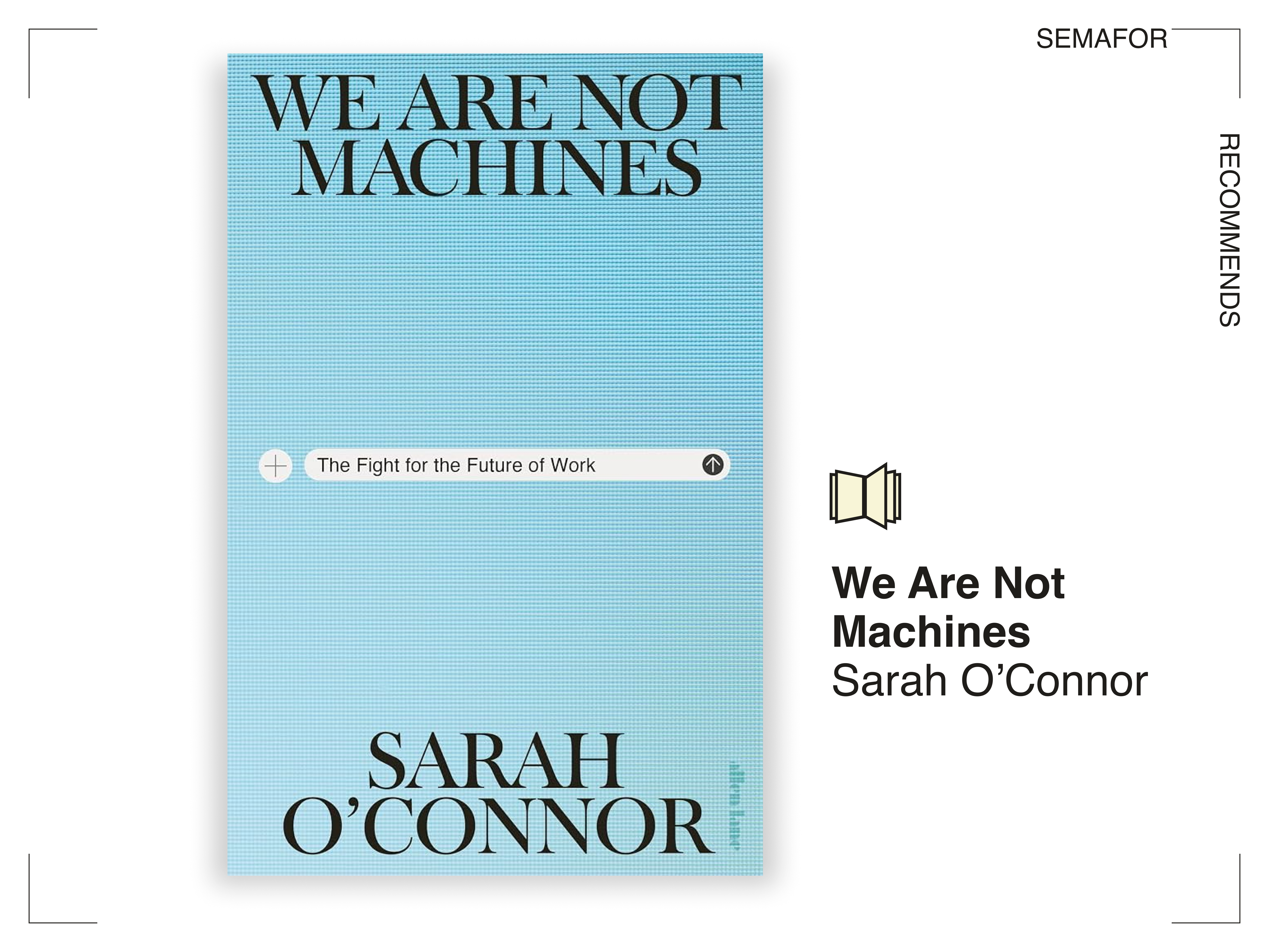
Sarah O’Connor's book 'We Are Not Machines' explores how mechanization and AI have transformed the workforce…