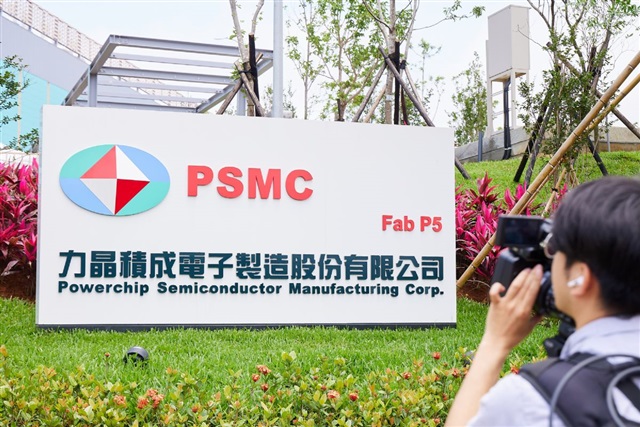
AI-driven demand for memory and specialty chips is creating persistent supply shortages that are expected to last through 2027, tightening conditions in the foundry market. Powerchip Semiconductor Manufacturing reported a gross margin of 28% in the second quarter of 2026, reflecting the pricing power gained from this supply constraint.
Summaries like this, in your inbox every morning.
Sign up free →What happened
Powerchip Semiconductor Manufacturing (PSMC) reported second-quarter 2026 revenue of NT$17.291 billion(約2.8兆円), with gross margin rising to 28%, lifted by AI-driven demand for memory, power management chips, and advanced packaging. The company expects memory shortages to persist through 2027.
Why it matters
AI adoption is creating sustained tightness in foundry supply chains, particularly for memory and specialized chip categories. This supply-demand imbalance is allowing chipmakers like PSMC to improve pricing power and margins—a shift that may raise costs for device makers and downstream customers relying on these components.
What to watch
PSMC projects the memory shortage will extend through 2027, meaning supply pressures in this segment are unlikely to ease in the near term. This outlook shapes both chipmaker profitability and the timeline for price normalization in the broader industry.
Powerchip Semiconductor Manufacturing (PSMC) reported second-quarter 2026 revenue of NT$17.291 billion(約2.8兆円), reflecting robust demand across AI-related chip categories. The company's gross margin expanded to 28%, driven by elevated demand for memory chips, power management semiconductors, and advanced packaging solutions. This margin expansion is a direct result of supply-demand imbalances in the foundry market, where AI-driven capacity consumption has outpaced foundry supply. PSMC's management expects memory and specialty-chip shortages to persist through 2027, indicating that supply relief is unlikely within the near term. The sustained tightness in these segments is allowing foundries to maintain pricing discipline, supporting the elevated margin profile demonstrated in the quarter. This outlook underscores how AI infrastructure investment is creating durable supply constraints across key semiconductor categories, reshaping both foundry profitability and the cost structure for downstream device manufacturers.
AI adoption has reshaped semiconductor supply dynamics by concentrating demand on memory, power management, and advanced packaging capabilities. PSMC's second-quarter results demonstrate how this concentration translates into margin expansion for foundries positioned to serve these segments. The company's projection that supply-demand tightness will extend through 2027 signals that relief is not imminent, meaning the pricing environment that enabled the 28% gross margin is likely to persist across the forecast window. This sustained tightness reflects both the scale of AI infrastructure buildout and the time required for foundry capacity to align with the new demand baseline.
AI-summarized, only the topics you pick — one digest a day via Email, Slack, or Discord.
Free · takes 30 seconds · unsubscribe anytime
No discussion yet for this article
Get curated AI news from 200+ sources delivered daily to your inbox. Free to use.
Get Started FreeFree · takes 30 seconds · unsubscribe anytime
1 minute a day. The AI essentials.
200+ sources · Email / LINE / Slack
