What happened
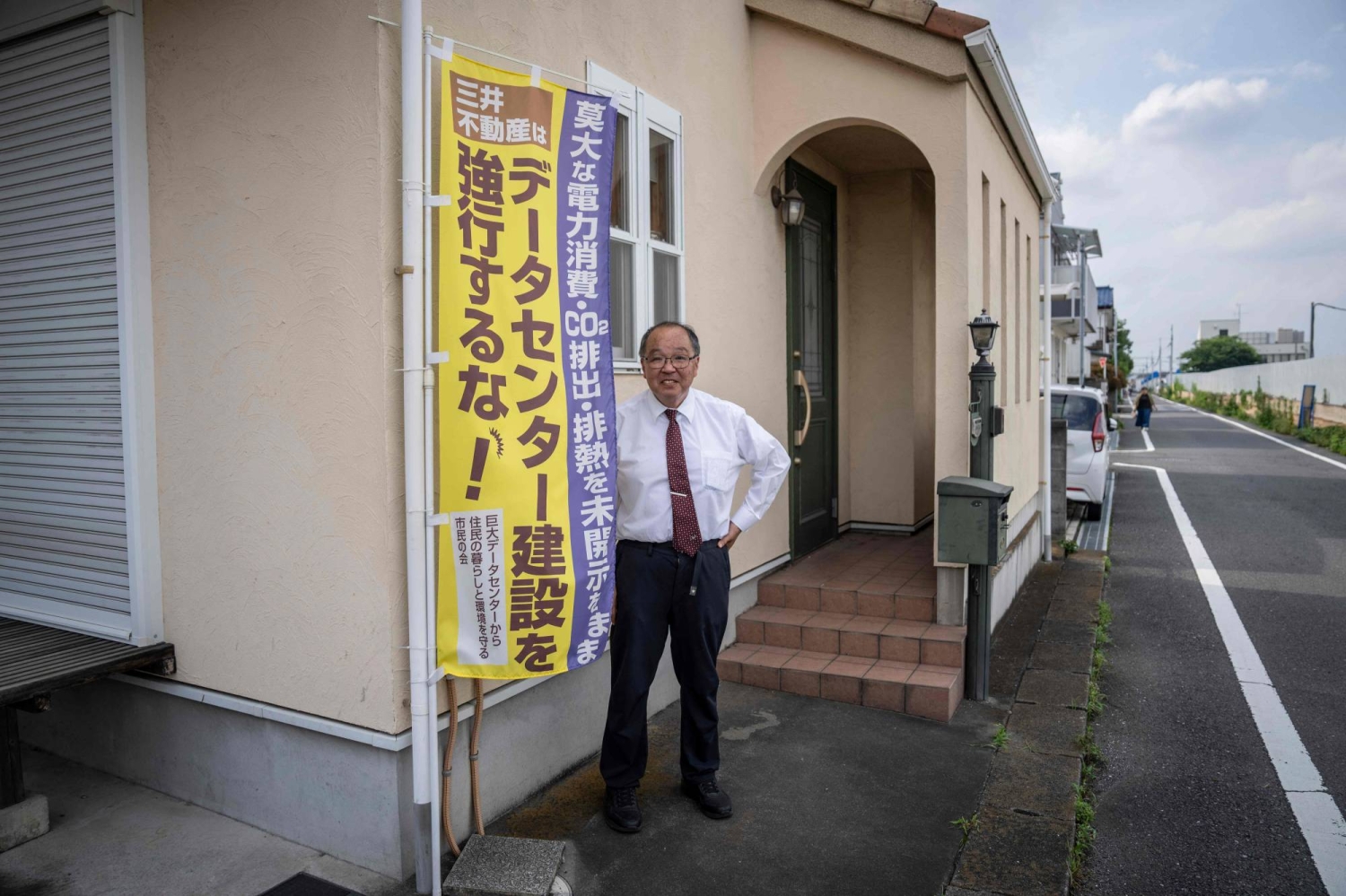
Large-scale data centers, which house the hardware infrastructure for artificial intelligence systems, are being planned in densely populated Japanese urban areas, prompting growing local opposition. A proposed data center near Hino on Tokyo's outskirts has drawn concern from residents including a 94-year-old homeowner, who describe the plan as "a terrible plan." Similar backlash to data center expansion is occurring globally, with New York State and Australia announcing new regulatory rules in response.
Why it matters
Data centers consume substantial resources and generate local disruption, making their placement in cramped residential areas a source of conflict between the infrastructure demands of AI development and the quality of life of nearby communities. In Japan's densely populated urban centers, finding suitable sites presents a particular challenge, raising questions about how the country will balance its AI ambitions with local opposition.
What to watch
The extent to which Japanese municipalities follow the regulatory approach taken by New York State and Australia, and whether local opposition slows or reshapes data center development plans in Japanese cities.
Summaries like this, in your inbox every morning.
The surge in data center construction reflects the explosive demand for AI computing infrastructure worldwide. However, the resource intensity of these facilities — combined with their physical footprint and operational demands — has triggered regulatory and community resistance in multiple jurisdictions. New York State and Australia have already enacted new rules in response to similar pressures, signaling that this is not an isolated Japanese phenomenon but part of a global pattern.
Japan's situation is complicated by its urban geography. Cities like Tokyo are already densely populated, leaving little room for large infrastructure projects without direct impact on residential areas. This constraint amplifies local opposition: residents living near proposed sites, such as the 94-year-old homeowner in Hino, see the projects as intrusive and disruptive rather than distant industrial necessity. The tension between Japan's need to support AI development and the practical limits of where such infrastructure can be sited without community backlash will likely shape how — and where — data center expansion proceeds.
Pick your industry and the AI tools you use, and get news related to your work every day.
Free · 30 seconds with Google · unsubscribe anytimeWhat is AIToday? →
Ask AI anything about this article. The AI reads this article, earlier AIToday articles, and Wikipedia, and cites its sources. Q&As are published on this page for other readers too.
In Q2, billionaires or their funds sold six 'Magnificent Seven' AI stocks

Nvidia was rising early Friday, even as the wider chip sector kept falling, Barron's reported
ElevenLabs completed a $300 million employee tender at a $22 billion valuation, and co-founder Mati Staniszews…

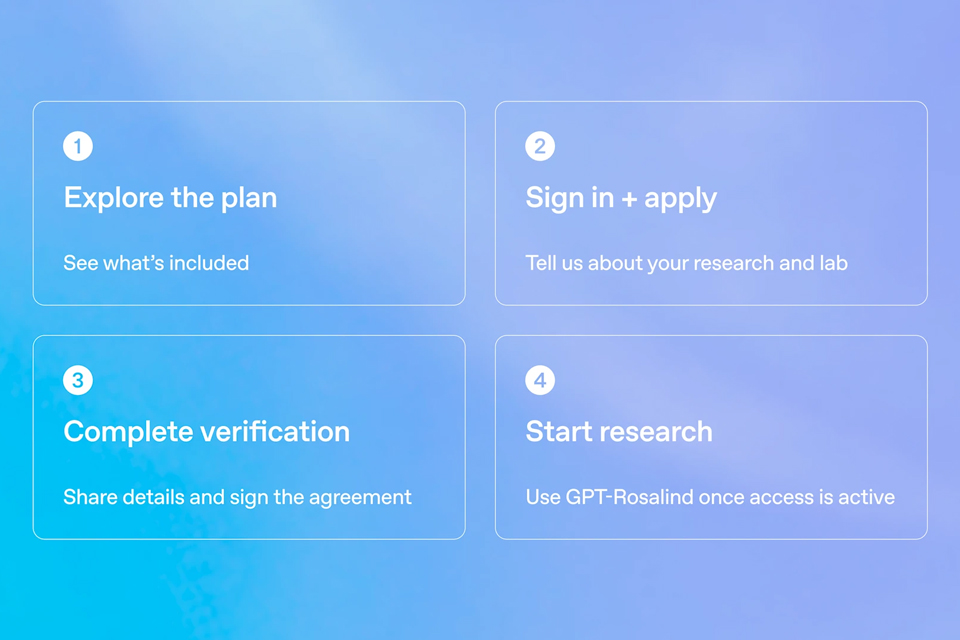
On October 15, OpenAI announced the Rosalind Academic Plan, giving approved US university labs free access to…
Neostellar Capital principal Evan Schlossman said CoreWeave's $103.7 billion in remaining performance obligati…
Supermicro Computer appointed Mark Long as chief financial officer, bringing an experienced technology finance…