
Generative AI is improving training but may hollow out learning.
Younger workers could lose chances to learn through work and from people.
CHROs are urged to redesign experiences and learning support.
What happened
A new article argues that generative AI, while improving training, is creating a 'hollowing out of learning'—younger workers lose chances to learn through work and from colleagues. It calls on CHROs to redesign two areas: experience opportunities and learning support.
Why it matters
The article says the traditional assumption that people naturally grow through work is changing. AI can automate teaching and support, but without deliberate design, workers may miss the learning embedded in tasks like meeting minutes, drafting, and consultations, and relationships with supervisors can thin out.
What to watch
The article proposes new agendas: separating AI and human roles and designing 'judgment-reaching experiences' for people, and embedding learning support into business processes. It suggests experiences like verifying AI outputs, comparing AI proposals, and making decisions, with supervisors asking questions rather than giving answers.
Ask the AI about this article →
The article builds on an ongoing series about human capital management in the AI era. Earlier installments covered using AI to visualize skill gaps (part 2) and redefining hiring criteria (part 4). This piece tackles the remaining question: how to develop internal talent. It argues that while AI can improve traditional training methods—like offering personalized tutoring in off-the-job training and supporting on-the-job guidance—it also undermines the implicit learning that used to happen naturally through work and human interaction.
The author identifies two specific risks: juniors lose entry points like meeting minutes or drafting that taught them foundational skills, and interactions with supervisors that provided meaning, trust, and reflection become rare. The proposed solution is not to preserve old tasks but to redesign experiences around judgment. CHROs should define what skills humans need in the age of AI, such as critical thinking and decision-making, and then design experiences that build those skills with business value. Learning support should be systematized, with supervisors asking questions to deepen thinking rather than giving answers.
The article concludes that competitive advantage will come not from AI performance but from organizations designed so people keep learning and growing. It positions the consulting firm as supporting this with integrated AI and human capital management.
For example, today's edition would include:
AI-summarized, only the topics you pick — one digest a day via Email, Slack, or Discord.
Free · takes 30 seconds · unsubscribe anytimeWhat is AIToday? →
Ask AI anything about this article. Q&As are published on this page for other readers too.
Israeli startup DataAgent Ltd
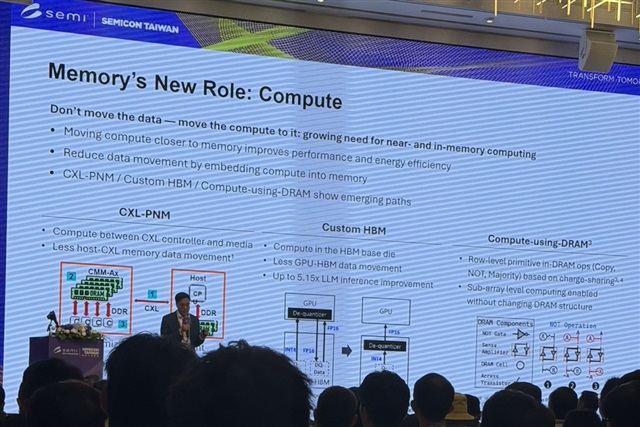
SK Hynix presented a custom HBM concept at SEMICON Taiwan 2026, where compute functions are placed in the base…
Taoyuan is positioning itself as a northern hub for AI data centers (AIDC), citing the Tatan area and an LNG c…
The U.S. Department of Defense announced on August 31 that it has deployed ChatGPT Mil, a customized version o…

Nvidia reported earnings that were both remarkable and boring, reflecting its focus on avoiding a consolidated…

Anthropic has agreed to a $35bn cloud-computing contract with Lambda, a Nvidia-backed cloud provider