Walsin Technology, a major passive component maker, reports that its book-to-bill ratio has climbed to 1.8 as the passive component market has improved sharply, with some parts facing short supply.
The company's order visibility now extends beyond the end of 2026, and it plans 2026 capex of NT$4B while continuing to invest in AI-related products, signaling confidence in sustained demand.
What happened
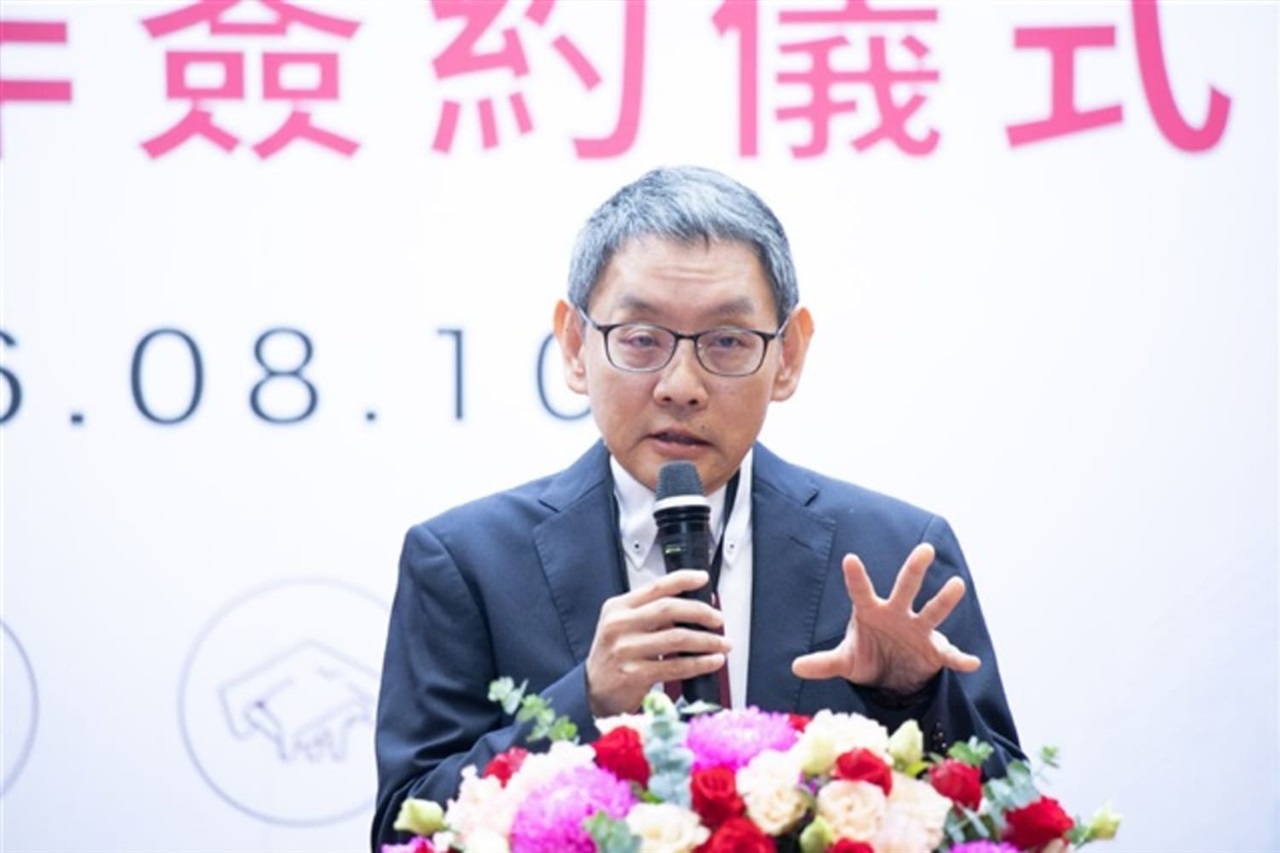
Walsin Technology's chairman Chiao Yu-Heng said the passive component market has improved sharply, with some parts in short supply, and order visibility now extends beyond the end of 2026. The company plans 2026 capex of NT$4B and will continue investing in AI-related products.
Why it matters
Sharp improvement in the passive component market—including short-supply conditions and extended order visibility—suggests sustained demand for the electronic components Walsin supplies, which support everything from consumer electronics to data-center infrastructure.
What to watch
The company's book-to-bill ratio has reached 1.8, a key indicator of forward demand; the 2026 capex commitment of NT$4B signals confidence in sustained growth in AI-related component categories.
Chiao Yu-Heng, chairman of Walsin Technology, has disclosed that the passive component market has experienced sharp improvement, with some parts even facing short supply conditions. Order visibility for the company now extends beyond the end of 2026, a sign of sustained forward demand. The company's book-to-bill ratio has reached 1.8, reflecting the strength of its order book relative to current billing. Walsin plans capex of NT$4B for 2026 and intends to continue investing in AI-related products, indicating its focus on capturing growth in that sector. The improved market conditions and extended visibility suggest that demand for passive components—critical inputs to everything from consumer electronics to data-center systems—remains robust and is expected to persist through at least 2026.
Walsin Technology's reported improvement in the passive component market reflects broader strength in electronics demand, particularly as AI infrastructure (data centers, GPUs, and related systems) continues to scale. The chairman's note that some passive components are in short supply underscores the market's tightness; passive components—resistors, capacitors, inductors, and connectors—are foundational to nearly all electronic systems and are often overlooked until supply constraints emerge. An order book extending beyond the end of 2026 is a significant indicator of customer confidence and suggests that Walsin expects sustained purchasing through at least that horizon. The planned NT$4B capex commitment in 2026 signals the company's willingness to expand capacity to meet that demand, particularly in AI-related categories where supply constraints have been acute.
AI-summarized, only the topics you pick — one digest a day via Email, Slack, or Discord.
Free · takes 30 seconds · unsubscribe anytime
Ask AI anything about this article. Q&As are published on this page for other readers too.
The AI news that matters, in one minute each morning.
Sign up free