
What happened
OpenAI CEO Sam Altman stated he is "pretty sure" AI has been net job-creating so far, adding "This is not what I expected." Anthropic CEO Dario Amodei similarly walked back earlier claims, now calling automation a productivity multiplier rather than a job killer. Both had previously warned that AI job displacement could happen rapidly and at scale.
Why it matters
No studies so far show a significant AI impact on overall measured productivity or the labor market. A recent multi-university study found that the job crisis among programmers and copywriters started in early 2022, months before ChatGPT launched. The Yale Budget Lab also found no AI-related job market shifts. This contradicts the executives' earlier predictions and suggests the feared immediate disruption has not materialized.
What to watch
AI-related layoffs have still occurred in some cases, though the article notes that in some instances money earmarked for workers was redirected to AI hardware, and in others companies needed an excuse that would play well with shareholders. The gap between these executive statements and actual labor-market data remains unclear.
Summaries like this, in your inbox every morning.
Sam Altman and Dario Amodei made bold predictions about AI's destructive impact on employment, but both have now reversed course without citing new evidence that contradicts their earlier warnings. Instead, the body presents independent research showing that the job disruption they predicted has not yet materialized in measurable labor-market data. A multi-university study traced programmer and copywriter job losses to early 2022—well before ChatGPT's November 2022 launch—suggesting that if AI displaced those workers, the timeline does not align with the executives' public claims.
The disconnect is notable: AI layoffs have undeniably happened, yet no broad productivity or employment shift is visible in aggregate data. The article suggests that some of these layoffs may have been opportunistic—a means to redirect headcount budgets toward infrastructure spending or to provide shareholder-friendly messaging—rather than evidence of AI-driven workforce replacement. This gap between anecdotal layoffs and the absence of labor-market impact underscores the difficulty of attributing employment change to AI versus other business and economic pressures.
Pick your industry and the AI tools you use, and get news related to your work every day.
Free · 30 seconds with Google · unsubscribe anytimeWhat is AIToday? →
Ask AI anything about this article. The AI reads this article, earlier AIToday articles, and Wikipedia, and cites its sources. Q&As are published on this page for other readers too.
Chunghwa Telecom president Rong-shy Lin said the shift from conversational AI to autonomous AI agents is resha…
CoreWeave fell 5% in premarket trading Friday and was on track to finish the week down 15%, after rebounding f…
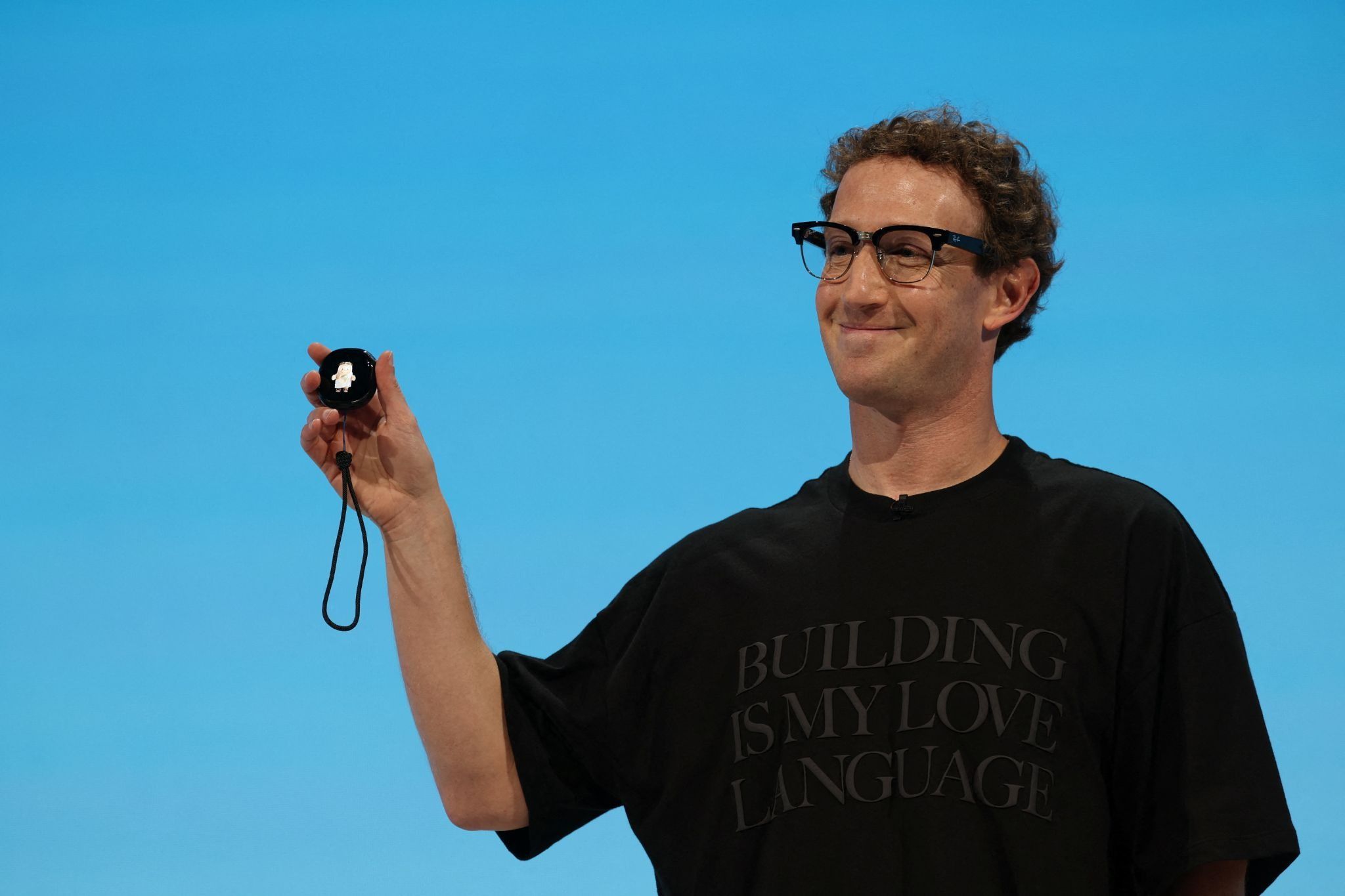
Apple and Meta said they would jointly release a new open-weight AI model designed to run on high-end Macs, ai…
Investors put $38.5 billion into Asian startups in Q3, per Crunchbase data
A longtime Anthropic investor told Fortune he expects shares priced around $1.8 trillion, below the company's…
In Q2, billionaires or their funds sold six 'Magnificent Seven' AI stocks