What happened
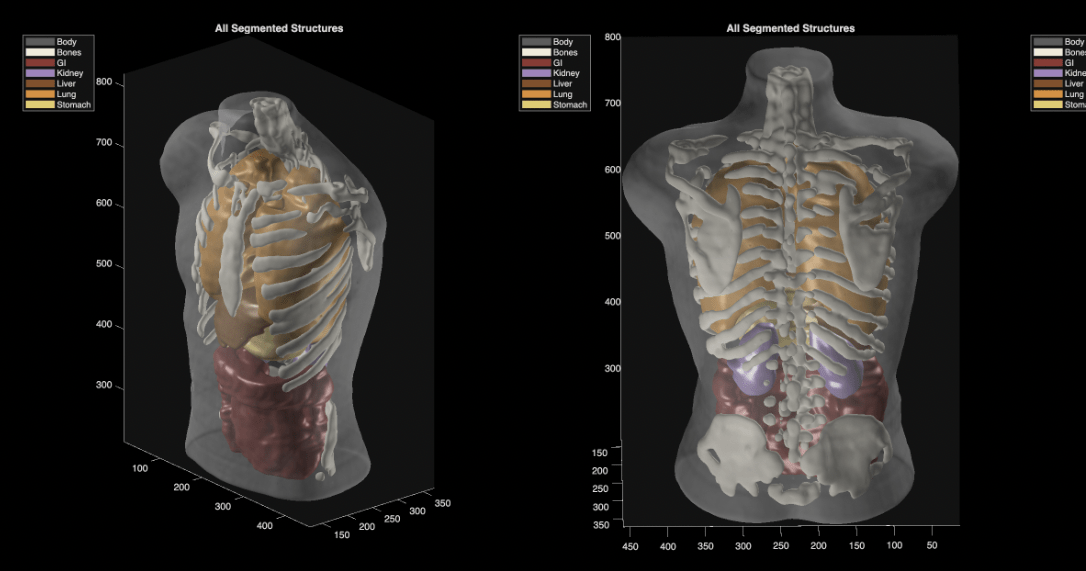
Midjourney announced a whole-body ultrasound scanner that would lower users into a vat of water, use a ring of underwater sensors to send sound waves into the body, and generate internal images in about 60 seconds. The company is not initially positioning it as a medical diagnostic device—citing the high cost of FDA clearance and clinical trials—but rather as a wellness tool for spas.
Why it matters
Midjourney is moving from its core business of generating synthetic images online into the heavily regulated world of medicine, but radiologists and medical imaging experts told The Verge the company's claims about image resolution and comparisons to MRI are unsupported by evidence. One professor of radiology called the claims "the most grandiose" he has seen, and another noted that ultrasound faces fundamental limits—sound waves cannot pass easily through air or bone—that make it unsuitable for imaging certain body parts.
What to watch
The company plans to eventually expand into medical applications, but medical experts emphasized there is "a long road ahead to generating high-quality images and then to understand the clinical value and demonstrate net benefit to patients." Midjourney has shown only low-resolution prototype images so far, and no current evidence exists that detailed ultrasound scans could be comparable to MRI.
Summaries like this, in your inbox every morning.
Pick your industry and the AI tools you use, and get news related to your work every day.
Free · 30 seconds with Google · unsubscribe anytimeWhat is AIToday? →
Ask AI anything about this article. The AI reads this article, earlier AIToday articles, and Wikipedia, and cites its sources. Q&As are published on this page for other readers too.
In Q2, billionaires or their funds sold six 'Magnificent Seven' AI stocks

Nvidia was rising early Friday, even as the wider chip sector kept falling, Barron's reported

ElevenLabs completed a $300 million employee tender at a $22 billion valuation, and co-founder Mati Staniszews…

On October 15, OpenAI announced the Rosalind Academic Plan, giving approved US university labs free access to…

Neostellar Capital principal Evan Schlossman said CoreWeave's $103.7 billion in remaining performance obligati…

Supermicro Computer appointed Mark Long as chief financial officer, bringing an experienced technology finance…


