What happened
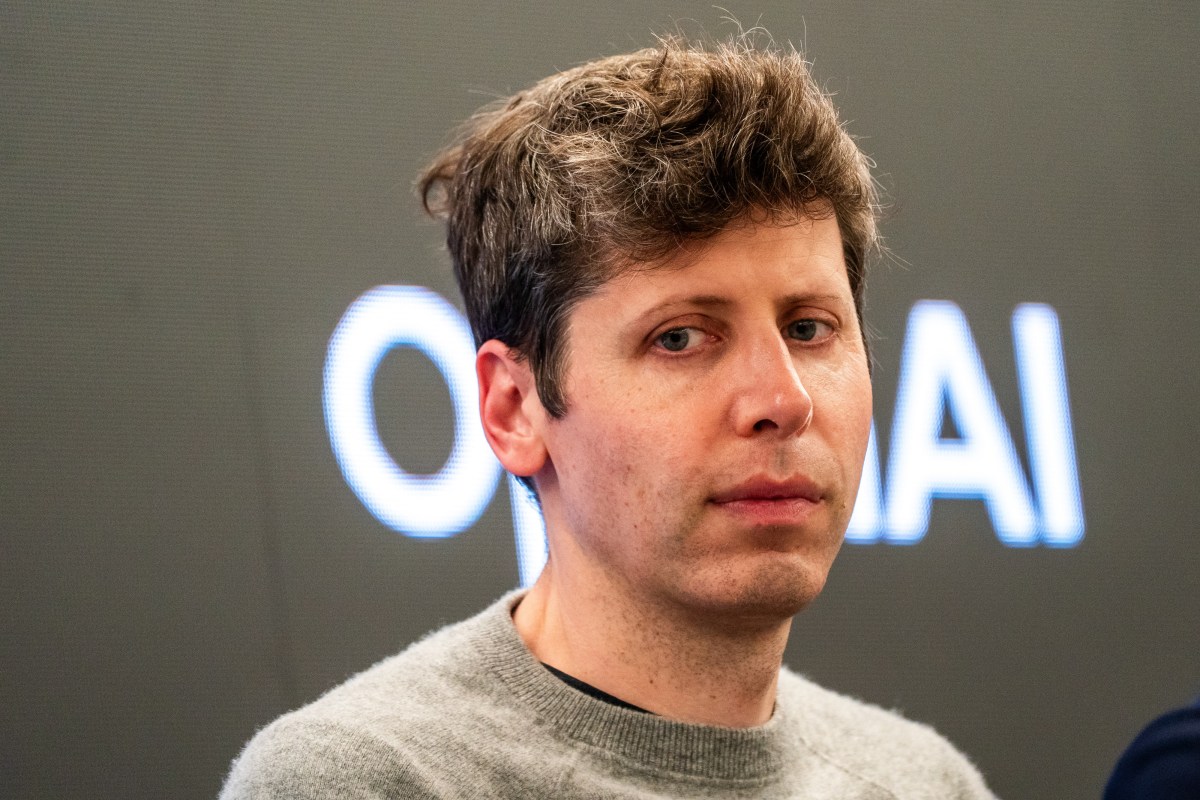
Apple filed a trade secrets lawsuit against OpenAI, alleging misconduct involving OpenAI's chief hardware officer and claiming more than 400 former Apple employees now work at OpenAI. OpenAI has not substantially responded to the allegations.
Why it matters
The lawsuit arrives at a sensitive moment — OpenAI is reportedly planning an IPO as early as later this year, and legal disputes of this magnitude can complicate regulatory approval and investor confidence. The case also highlights tensions over hiring practices and intellectual property in the AI industry.
What to watch
The timing and scale of the lawsuit could affect OpenAI's IPO timeline. The suit also raises questions about the company's hardware strategy, since the allegations focus on OpenAI's chief hardware officer.
Summaries like this, in your inbox every morning.
Apple's lawsuit arrives at a critical juncture for OpenAI. The company has been preparing for a public offering, but major legal disputes—especially those alleging trade secret theft—typically require resolution or at least substantial progress before institutional investors and regulators approve an IPO. The specific focus on OpenAI's chief hardware officer suggests Apple's claims target the company's competitive efforts in hardware development, an area where Apple holds deep expertise and proprietary knowledge.
The scale of the alleged employee movement (more than 400 former Apple staff) is unusual and speaks to broader talent flows between Silicon Valley's giants. For OpenAI, the lawsuit carries dual risk: it questions the company's hiring practices and corporate governance to potential IPO investors, while simultaneously raising public questions about trust and data security in AI companies—a theme that has been gaining prominence across the industry this year.
Pick your industry and the AI tools you use, and get news related to your work every day.
Free · 30 seconds with Google · unsubscribe anytimeWhat is AIToday? →
Ask AI anything about this article. The AI reads this article, earlier AIToday articles, and Wikipedia, and cites its sources. Q&As are published on this page for other readers too.
Chunghwa Telecom president Rong-shy Lin said the shift from conversational AI to autonomous AI agents is resha…
CoreWeave fell 5% in premarket trading Friday and was on track to finish the week down 15%, after rebounding f…
Apple and Meta said they would jointly release a new open-weight AI model designed to run on high-end Macs, ai…
Investors put $38.5 billion into Asian startups in Q3, per Crunchbase data
A longtime Anthropic investor told Fortune he expects shares priced around $1.8 trillion, below the company's…
In Q2, billionaires or their funds sold six 'Magnificent Seven' AI stocks