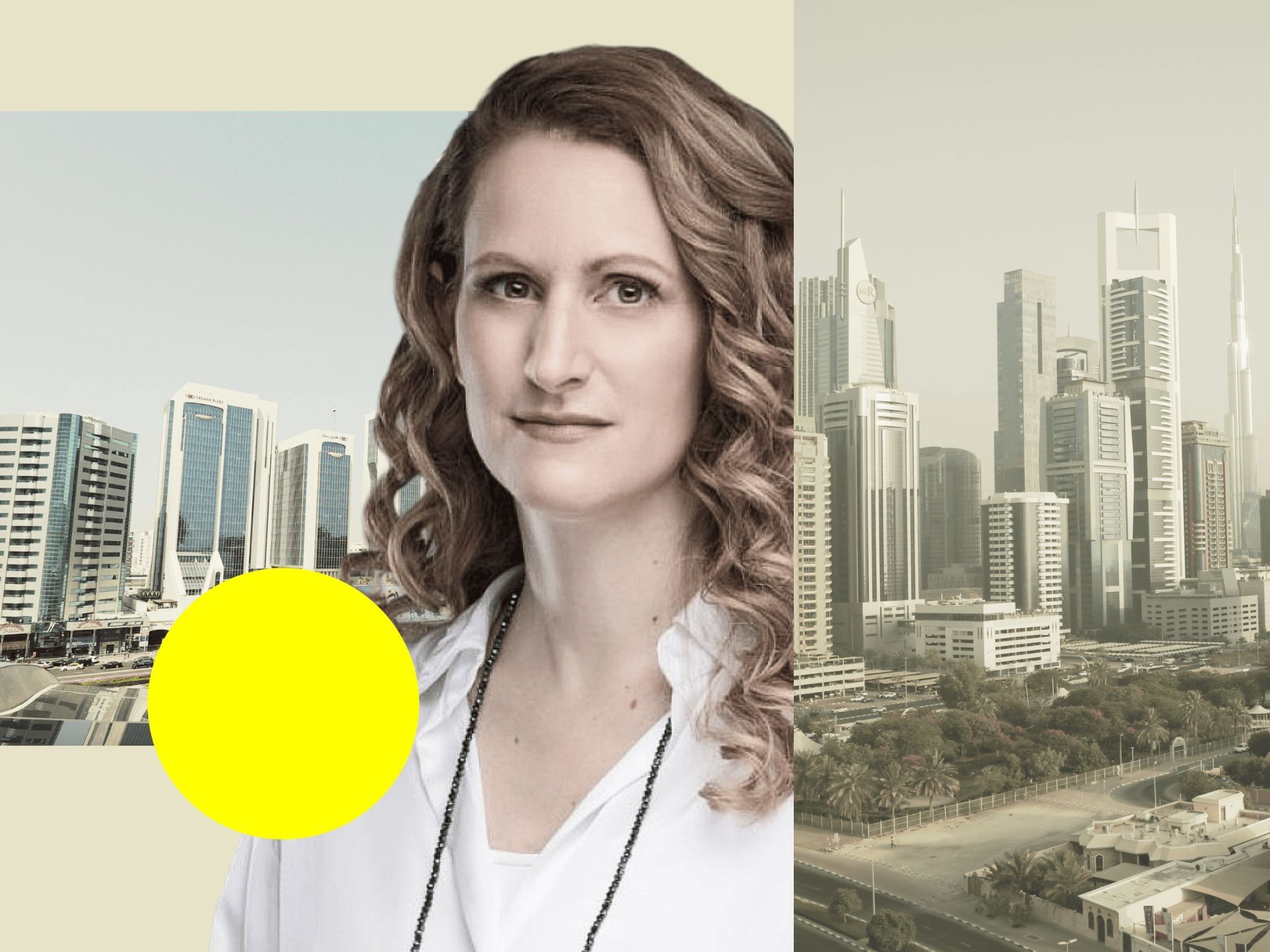
Liron Zaslansky, Israel's first Consul General in Dubai, has completed his four-year tenure overseeing a diplomatic relationship born from the 2020 Abraham Accords. Despite initial skepticism that the agreement would be fragile, the Israel-UAE partnership has withstood major regional crises including the post-October 7 war, deepening into economic cooperation and cultural exchange. Zaslansky departs with confidence the relationship will endure and expand.
Summaries like this, in your inbox every morning.
Sign up free →What happened
Liron Zaslansky, Israel's first Consul General in Dubai, has concluded a four-year tenure that began in 2022. He served as a co-founder of what he describes as a diplomatic startup, overseeing the implementation of the Abraham Accords signed in 2020 between Israel and the UAE.
Why it matters
The Abraham Accords, initially dismissed as fragile, have survived major regional stress tests including the post-October 7 era and subsequent escalations. Zaslansky's departure marks a stable transition in a relationship that has deepened to include economic cooperation, joint R&D, and access for Israelis to what he calls a unique economic hub connecting trade, commerce, and technology.
What to watch
Zaslansky departs expressing confidence in Dubai's trajectory and the role Israelis will play in scaling the relationship further. He characterizes the diplomatic bridge as "built to last," though the ongoing conflict in the region means the durability of Israel-UAE ties will continue to face real-world tests.
Liron Zaslansky served as Israel's first Consul General in Dubai from 2022 to 2026, a four-year tenure during which he built Israel's diplomatic presence in the emirate from the ground up. His departure comes as the Abraham Accords—the 2020 agreement that normalized relations between Israel and the UAE—mark another anniversary. Skeptics had initially dismissed the Accords as fragile and unlikely to survive regional turbulence, yet Zaslansky describes the relationship as having endured "the ultimate geopolitical stress test," surviving the post-October 7 era and subsequent Middle Eastern escalations without fracturing.
Zaslansky articulates four lessons he draws from his experience building this diplomatic relationship. First, he emphasizes the UAE's focus on long-term vision and decisive leadership—citing Dubai's D33 economic agenda as evidence of strategic thinking in decades rather than immediate gains. He credits this same visionary approach to the 2020 decision to sign the Abraham Accords, which he characterizes as opening the door to economic cooperation, joint research and development, and friendships at multiple levels. Israeli citizens gained access to what he calls "a one-of-a-kind economic hub connecting trade, commerce, technology, and the world's largest markets."
Second, Zaslansky highlights the role of trust and good governance, noting the confidence Emiratis place in their leadership stems from belief that leadership cares for both citizens and foreign residents. He points to the slogan "In the UAE we are all Emiratis" as reflecting genuine values, and he cites Dubai's World Governments Summit as an example of governance that learns from diverse stakeholders. Third, he praises ideological clarity and tolerance, referencing a 2017 warning by UAE Foreign Affairs Minister Sheikh Abdullah Bin Zayed Al Nahyan about the dangers of political correctness breeding radicalism. Zaslansky notes that Dubai avoids this pitfall by actively enforcing tolerance across its population of more than 200 nationalities, and he highlights the local Jewish community—which he describes as "virtually the only one globally that is actively growing and becoming younger"—as proof of the commitment.
Fourth, Zaslansky emphasizes humility and grace in Emirati leadership, noting the visibility of leaders in everyday spaces and the decision to rebrand public service offices as "happiness centers." He quotes Dubai Ruler His Highness Sheikh Mohammed bin Rashid Al Maktoum as saying his family would continue ruling "as long as the people want that."
Zaslansky concludes his tenure with confidence in the Israel-UAE relationship's future. Despite acknowledging that Israel has been "at war, defending itself against Iran-sponsored terrorist organizations and Iran itself" since October 7, 2023, he expresses belief that "good will prevail" and that "peace and dialogue remain the only way forward." He departs with confidence in Dubai's trajectory and in the role Israelis will play in what he calls scaling the relationship up to become a regional "unicorn," asserting that "the bridge between our nations is built to last."
The Abraham Accords of 2020 represented a diplomatic breakthrough that skeptics predicted would crumble under regional pressure. Zaslansky's four-year tenure as Israel's first Consul General in Dubai, running from 2022 to 2026, occurred during one of the most volatile periods in recent Middle Eastern history—the post-October 7 war and its aftermath. That the relationship not only survived but deepened during this period suggests the Accords rested on foundations deeper than fair-weather alignment. Zaslansky attributes this durability to lessons he draws from Emirati governance: long-term strategic vision (exemplified by initiatives like Dubai's D33 economic agenda), institutional trust between leadership and both citizens and foreign residents, active enforcement of tolerance (the article notes Dubai hosts over 200 nationalities and features a growing local Jewish community), and leadership humility.
The practical fruits of the relationship—economic cooperation, joint research and development, and Israeli access to what Zaslansky characterizes as a uniquely positioned economic hub—suggest the Accords created tangible incentives for both sides to maintain the relationship even during severe strain. Zaslansky's framing of his role as a co-founder of a "diplomatic startup" and his confidence that the "bridge" is "built to last" indicates the Israeli government views this not as a temporary opening but as a foundational regional shift. However, his explicit acknowledgment that Israel "has been at war, defending itself against Iran-sponsored terrorist organizations and Iran itself" since October 7, 2023, underscores the ongoing geopolitical pressures the relationship continues to navigate.
AI-summarized, only the topics you pick — one digest a day via Email, Slack, or Discord.
Free · takes 30 seconds · unsubscribe anytime
No discussion yet for this article
Get curated AI news from 200+ sources delivered daily to your inbox. Free to use.
Get Started FreeFree · takes 30 seconds · unsubscribe anytime
1 minute a day. The AI essentials.
200+ sources · Email / LINE / Slack

