Three dividend ETFs—Fidelity High Dividend (FDVV), WisdomTree U.S. Quality Dividend Growth (DGRW), and iShares U.S. Large Cap Premium Income Active (BALI)—all hold major AI stocks like NVIDIA, Microsoft, Apple, and Alphabet while generating income, solving a problem traditional dividend funds face when screening out low-yield Magnificent Seven names.
FDVV uses an index approach and has returned 21.2% over one year; DGRW screens for quality metrics and offers monthly payouts; BALI writes call options against its holdings to harvest premium, delivering the highest income at 7–8% yield but with capped upside and a shorter three-year track record.
What happened
The article compares three dividend ETFs—FDVV, DGRW, and BALI—that all hold major AI stocks (NVIDIA, Microsoft, Apple, Alphabet) in their top 10 positions while generating dividend income through different mechanisms. FDVV tracks a Fidelity index ranked on yield and growth; DGRW screens for quality and earnings growth; BALI is actively managed and writes call options to harvest premium.
Why it matters
Traditional dividend ETFs like SCHD and VYM screen out most Magnificent Seven stocks because their yields are too low, leaving dividend investors either double-paying for utilities while missing the AI rally or abandoning dividend income altogether. These three funds solve that trade-off by keeping meaningful AI exposure (FDVV and DGRW each hold roughly 20% combined Magnificent Seven exposure; BALI holds major positions including NVIDIA at 7.22%) while still producing real cash through different approaches.
What to watch
FDVV offers the broadest appeal with 21.2% one-year returns and $9.2 billion in net assets; DGRW pays monthly (unusual for quality-growth) with a trailing 12-month yield of $1.23 per share; BALI generates the highest current income (trailing 12-month distributions of $2.66 per share, translating to 7–8% yield) but has under three years of trading history and caps upside during sharp rallies because it actively writes call options.
Ask the AI about this article →
Dividend investors have faced a structural problem over the past two years: the Magnificent Seven stocks driving market returns tend to have low dividend yields, causing traditional dividend funds like SCHD and VYM to screen them out entirely. This leaves dividend-focused portfolios lagging the overall market and often double-weighted in lower-growth sectors like utilities and consumer staples. The three funds examined in this article were built to solve that problem by rethinking how income is generated from a portfolio of large-cap stocks.
Each fund takes a distinct path to the same holdings. FDVV enforces sector caps on its index-based approach, which is why NVIDIA reaches 6.84% and the Magnificent Seven lands near 20% of assets—traditional enough that utilities and REITs still anchor the portfolio but flexible enough to avoid complete exclusion of AI mega-caps. DGRW inverts the logic entirely, starting not with yield but with quality metrics like return on equity and earnings growth; NVIDIA, Microsoft, Apple, and Alphabet rise to the top because they generate enormous absolute dividend dollars despite sub-1% yields. BALI, the contrarian option, treats the stocks as a foundation for an options overlay, writing calls to produce the income that low-yield mega-caps alone cannot deliver.
The trade-offs are real and differ by investor need. FDVV returns 21.2% annually with $9.2 billion in assets, offering scale and simplicity but with concentration risk—NVIDIA alone drives more return variance than any three utility positions. DGRW appeals to longer-term compounders who accept lower current yield (trailing yield materially lower than BALI) in exchange for quality growth and monthly distributions useful for cash flow management. BALI's 7–8% current yield is unachievable through stock selection alone and reflects the options premium's real work, but the strategy caps upside during strong rallies and carries only three years of history. Each solves the income-versus-AI-exposure trade-off differently, making the choice depend entirely on whether the investor prioritizes total return, current income, or a balanced approach.
For example, today's edition would include:
AI-summarized, only the topics you pick — one digest a day via Email, Slack, or Discord.
Free · takes 30 seconds · unsubscribe anytimeWhat is AIToday? →
Ask AI anything about this article. Q&As are published on this page for other readers too.
Visko raised $10 million in pre-seed funding from Llama Ventures and opened public access to its first foundat…

U.S. markets ended August higher, with the S&P 500 up 2.6% and the Nasdaq up 3.9%

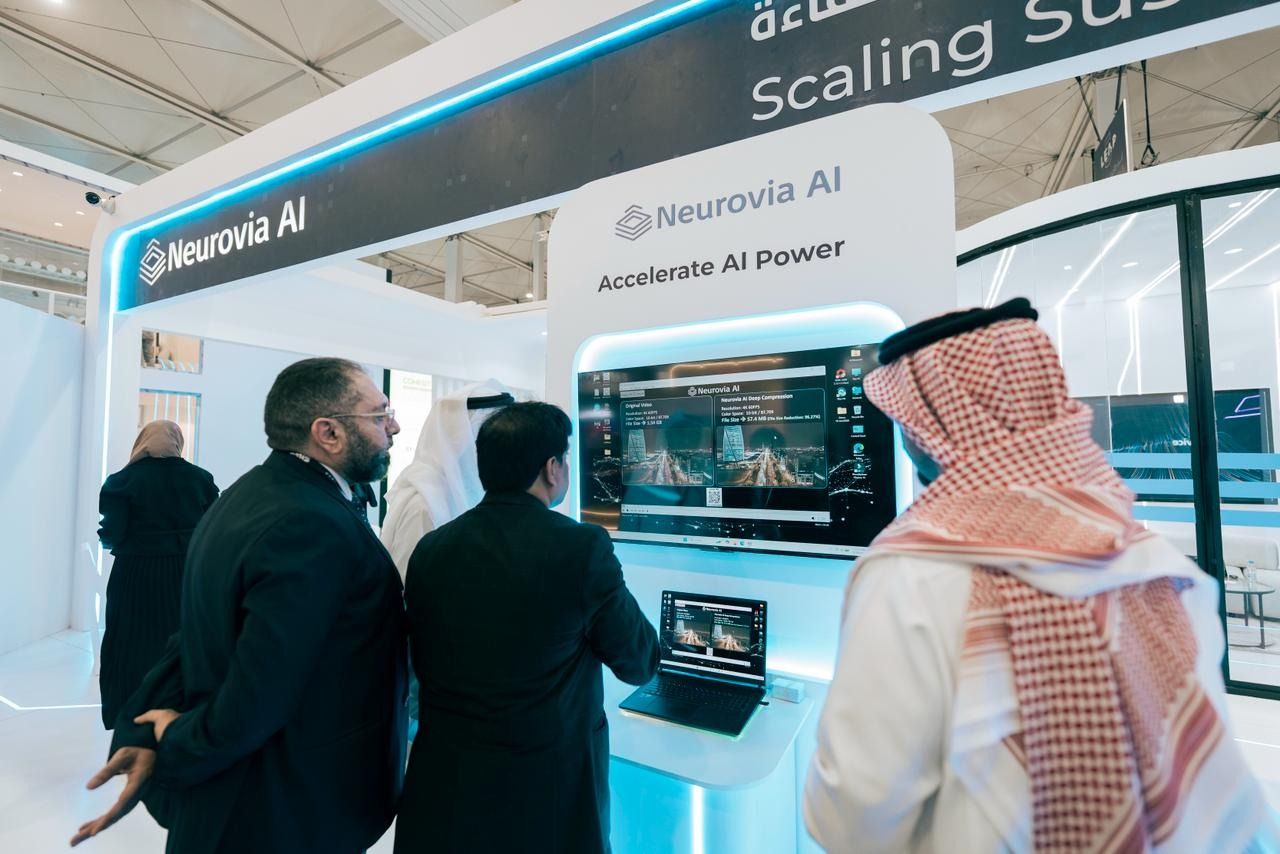
Neurovia AI, an Abu Dhabi-based company, is pitching Saudi security agencies software that it says can compres…
AI company Runway has unveiled Solaris, the first model in a new category it calls "Interface World Models." I…

John Deere introduced JD, a conversational AI tool that lets farmers ask open-ended questions about their hist…

Nvidia CEO Jensen Huang said on Fox Business that AI is creating 'hundreds of thousands' of jobs, including in…