What happened
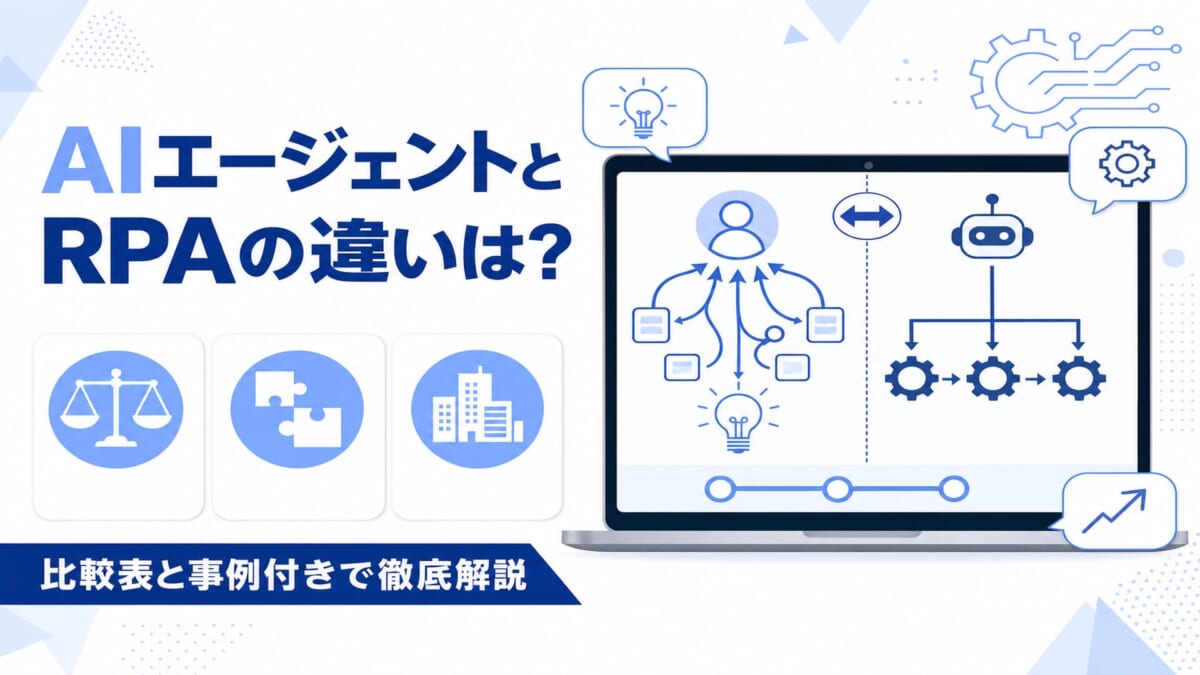
A business guide explains the core difference between AI agents (which make decisions based on context) and RPA (which follows fixed rules), and shows how companies like Daiwa Securities and Kyokuto Kaihatsu have used each to automate different kinds of work.
Why it matters
Many companies risk wasting money on the wrong automation tool if they don't understand which jobs suit which technology. AI agents work best for variable, judgment-heavy tasks (like customer support), while RPA excels at repetitive, rule-based work (like invoice processing). Mixing them up can leave existing RPA investments unused or force you to automate only a narrow slice of what's actually possible.
What to watch
The guide recommends a three-step adoption path: first, sort your company's tasks into rule-based and judgment-heavy categories; second, pick the right tool for each type; third, test on a small scale before rolling out company-wide. Daiwa Securities cut the time its employees spent on after-call documentation by 45% and increased the amount of detail recorded by 4× after switching to AI agents for the task.
Summaries like this, in your inbox every morning.
The distinction between AI agents and RPA has become critical as companies rush to automate work. RPA has dominated for years because it is easy to deploy on highly structured, repeatable tasks—a strength that has not disappeared. However, many real-world jobs involve judgment calls, unexpected inputs, or variable processes where RPA struggles because every edge case must be pre-coded as a separate rule. AI agents shift the model: instead of designing every step in advance, you define a goal and let the system interpret context to decide what to do next.
The business risk is twofold. First, picking the wrong tool wastes money: forcing an RPA solution onto a judgment-heavy task creates bloat and fragility, while using an AI agent for pure data entry incurs unnecessary cost and latency. Second, companies that do not understand the split may shelve perfectly good RPA investments when an AI agent trend arrives, losing years of value. The body makes clear that both will coexist: structured work will always generate RPA opportunities, and many companies will run hybrid setups where AI agents feed decisions into RPA for reliable execution.
The adoption framework the body describes—audit your jobs by type, assign the right tool, then validate on a small scale—directly addresses this risk. By sorting upfront, companies avoid the trap of a "big bang" rollout that fails to deliver on one technology and discredits the other. Real examples from Daiwa Securities and Kyokuto Kaihatsu show measurable payoff: one cut human effort on a judgment-heavy task by nearly half, the other freed up months of employee time per year on pure process work. The lesson for business readers is that the choice between AI agents and RPA is not binary—it is a question of which parts of your workflow need judgment and which do not.
Pick your industry and the AI tools you use, and get news related to your work every day.
Free · 30 seconds with Google · unsubscribe anytimeWhat is AIToday? →
Ask AI anything about this article. The AI reads this article, earlier AIToday articles, and Wikipedia, and cites its sources. Q&As are published on this page for other readers too.

