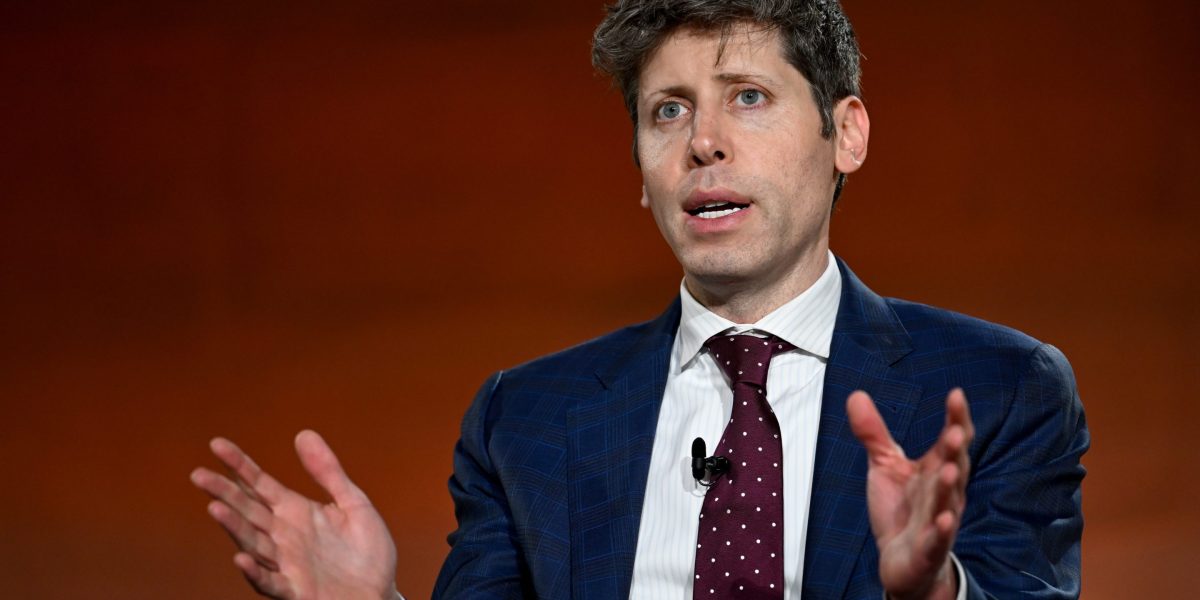
Sam Altman, Vinod Khosla, Mark Cuban, John Arnold, and Elizabeth Warren have proposed various tax policy changes in response to AI, ranging from lower taxes on workers to wealth taxes, AI-specific taxes on tokens and compute, and a new fund to offset transition costs.
The article argues that historical tax policy changes following technological disruption (the Industrial Revolution, internal combustion engine, atomic bomb, personal computer) moved toward broader tax bases rather than industry-specific carveouts, and that AI-specific taxes would reverse this trend and penalize adoption of new technology.
The article contends that existing unemployment insurance and property tax systems already capture revenue from AI-driven activity—such as Loudoun County, Virginia lowering resident tax burdens in 2025 partially due to data center property tax revenue—and that an AI-specific worker adjustment program would risk the same low uptake problems as Trade Adjustment Assistance.
In 2025, the US economy saw roughly 63 million hires and 63 million separations (quits, layoffs, and retirements), with the article noting that labor-saving technology does not automatically require unemployment and could instead mean increased leisure time or transition to a four-day work week in some sectors.
Summaries like this, in your inbox every morning.
Pick your industry and the AI tools you use, and get news related to your work every day.
Free · 30 seconds with Google · unsubscribe anytimeWhat is AIToday? →
Ask AI anything about this article. The AI reads this article, earlier AIToday articles, and Wikipedia, and cites its sources. Q&As are published on this page for other readers too.

