What happened
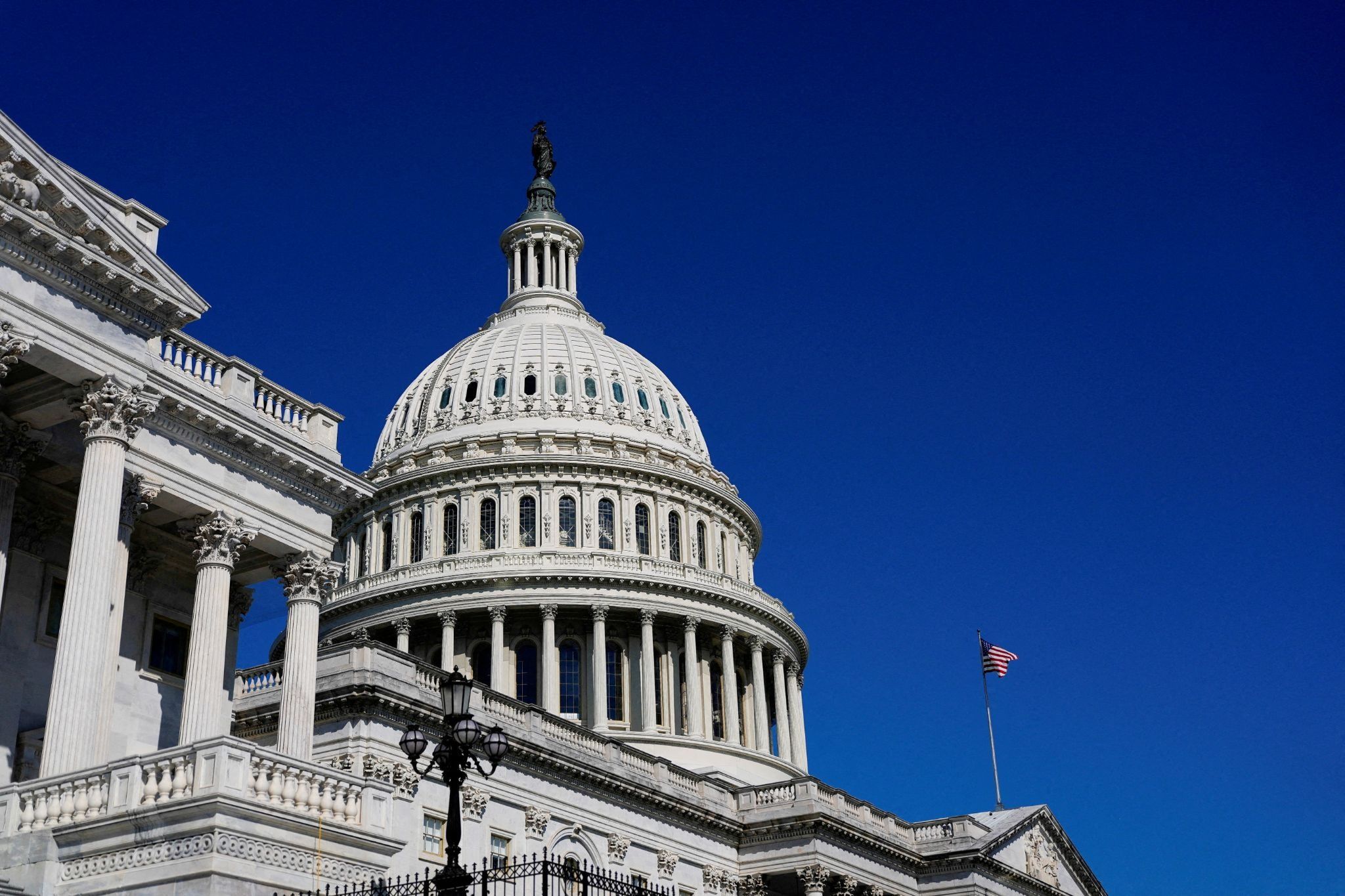
The US House of Representatives approved a bill requiring the State Department to certify that Nigeria is making progress on anti-Christian violence before releasing any US economic or security assistance. The measure tightens an earlier provision that would have withheld only half the funding and now goes to the Senate.
Why it matters
The vote signals a sharp split between the White House, which has been working to deepen security cooperation with Nigeria (Africa's most populous nation), and Republican House members pushing for a harder line on religious violence. Frank Garcia, the US assistant secretary of state for African affairs, had just visited Nigeria and called the meetings there "successful," making the House action a direct contradiction of the administration's stated approach.
What to watch
The bill now moves to the Senate. Senator Ted Cruz, chairman of the Africa subcommittee, has already signaled support, stating Nigerian officials "created an environment that facilitates mass violence against Christians and religious minorities."
Summaries like this, in your inbox every morning.
Nigeria faces competing signals from different branches of the US government. The White House, under the Trump administration, has pursued a strategy of strengthening security ties with Nigeria, Africa's most populous nation. Frank Garcia's recent visit, which he characterized as "successful" after meetings with security chiefs and senior officials in Abuja, reflects this diplomatic push. However, Republican members of the House—led by Senator Ted Cruz, chairman of the Africa subcommittee—view the situation differently. They argue that Nigerian officials have permitted or enabled anti-Christian violence and religious persecution, and believe the US should use aid as leverage to force change.
The House bill represents a significant tightening of pressure. An earlier measure would have withheld only half of US assistance; the new version approved by the House freezes all economic and security aid until the State Department certifies meaningful progress. This move suggests that House Republicans are willing to override or check the White House's stated diplomatic agenda on this particular issue. The bill's journey to the Senate will likely determine whether this harder line becomes law or whether the administration's approach prevails.
Pick your industry and the AI tools you use, and get news related to your work every day.
Free · 30 seconds with Google · unsubscribe anytimeWhat is AIToday? →
Ask AI anything about this article. The AI reads this article, earlier AIToday articles, and Wikipedia, and cites its sources. Q&As are published on this page for other readers too.

