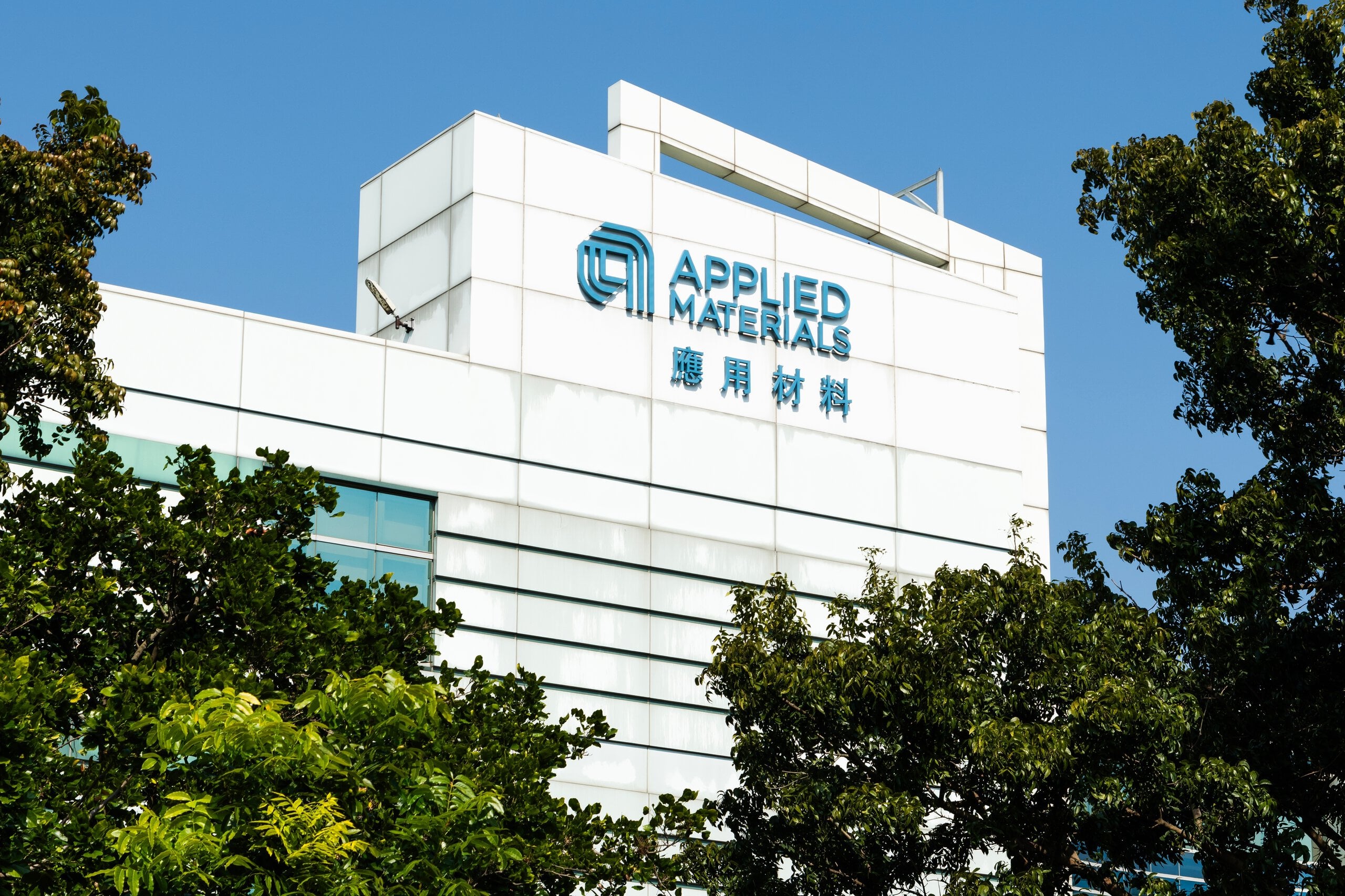
Applied Materials and its chip equipment peers—Lam Research, KLA Corporation, and ASML Holding—have soared in 2026 as AI infrastructure buildout drives demand, but all fell sharply Tuesday after reports that nine major tech companies carry $3 trillion in off-balance-sheet AI commitments growing faster than their actual reported capital spending.
The selloff reflects investor doubts about whether the capex cycle can justify the stock valuations already achieved this year.
What happened
Applied Materials shares reached $509.29, up 98% year to date, alongside gains at peers Lam Research (up 89% YTD), KLA Corporation (up 59% YTD), and ASML Holding (up 67% YTD). However, all four names fell Tuesday amid a broader semiconductor selloff and questions about the durability of AI infrastructure spending.
Why it matters
Chip equipment makers have become central to the 2026 AI infrastructure trade as hyperscalers, foundries, and memory makers race to expand advanced logic, high-bandwidth memory, and advanced packaging capacity. A Wall Street Journal report showed nine top tech companies carry roughly $3 trillion of off-balance-sheet commitments mostly tied to AI—growing faster than the roughly $600 billion of capital expenditures they reported over the past year—signaling investor skepticism about whether the spending cycle can sustain current valuations.
What to watch
Incoming data center capex updates and October chip earnings will likely determine whether the multi-year AI build-out narrative holds or erodes. Elevated 30-year Treasury yields (topping 5.3%) are adding headwind to stocks trading at expanded multiples, and traders are watching for signs the debate settles into a rangebound tape rather than a sustained rotation out of chip equipment names.
Ask the AI about this article →
Applied Materials and its chip equipment peers entered 2026 as prime beneficiaries of the AI infrastructure buildout, with order visibility stretching further out than in prior cycles as hyperscalers, foundries, and memory makers rushed to expand capacity for AI accelerators. Equipment vendors responded by raising capacity plans for 2027 and beyond, and services businesses tied to installed tools accelerated alongside factory utilization, driving both earnings growth and multiple expansion across the group. The gains reflected genuine demand signals: Lam Research benefited from improved NAND spending and DRAM node transitions, KLA saw process control intensity rise with advanced packaging adoption, and ASML's lithography remained a bottleneck in advanced logic and DRAM ramps.
However, the rally has collided with mounting skepticism about whether the capex cycle's scale justifies current valuations. A Wall Street Journal analysis revealed that nine top tech companies carry roughly $3 trillion of off-balance-sheet AI commitments—growing faster than the roughly $600 billion of capital expenditures they reported over the past year. Meanwhile, disclosures from Anthropic (annualized revenue run rate of $65 billion at end of July) and OpenAI (run rate of $40 billion) landed below some investor expectations, feeding doubts about the pace of AI infrastructure spending. These reports, combined with elevated 30-year Treasury yields now topping 5.3%, created a sharp reversal: all major equipment names traded lower Tuesday despite their year-to-date strength.
For example, today's edition would include:
AI-summarized, only the topics you pick — one digest a day via Email, Slack, or Discord.
Free · takes 30 seconds · unsubscribe anytimeWhat is AIToday? →
Ask AI anything about this article. Q&As are published on this page for other readers too.
Visko raised $10 million in pre-seed funding from Llama Ventures and opened public access to its first foundat…

U.S. markets ended August higher, with the S&P 500 up 2.6% and the Nasdaq up 3.9%

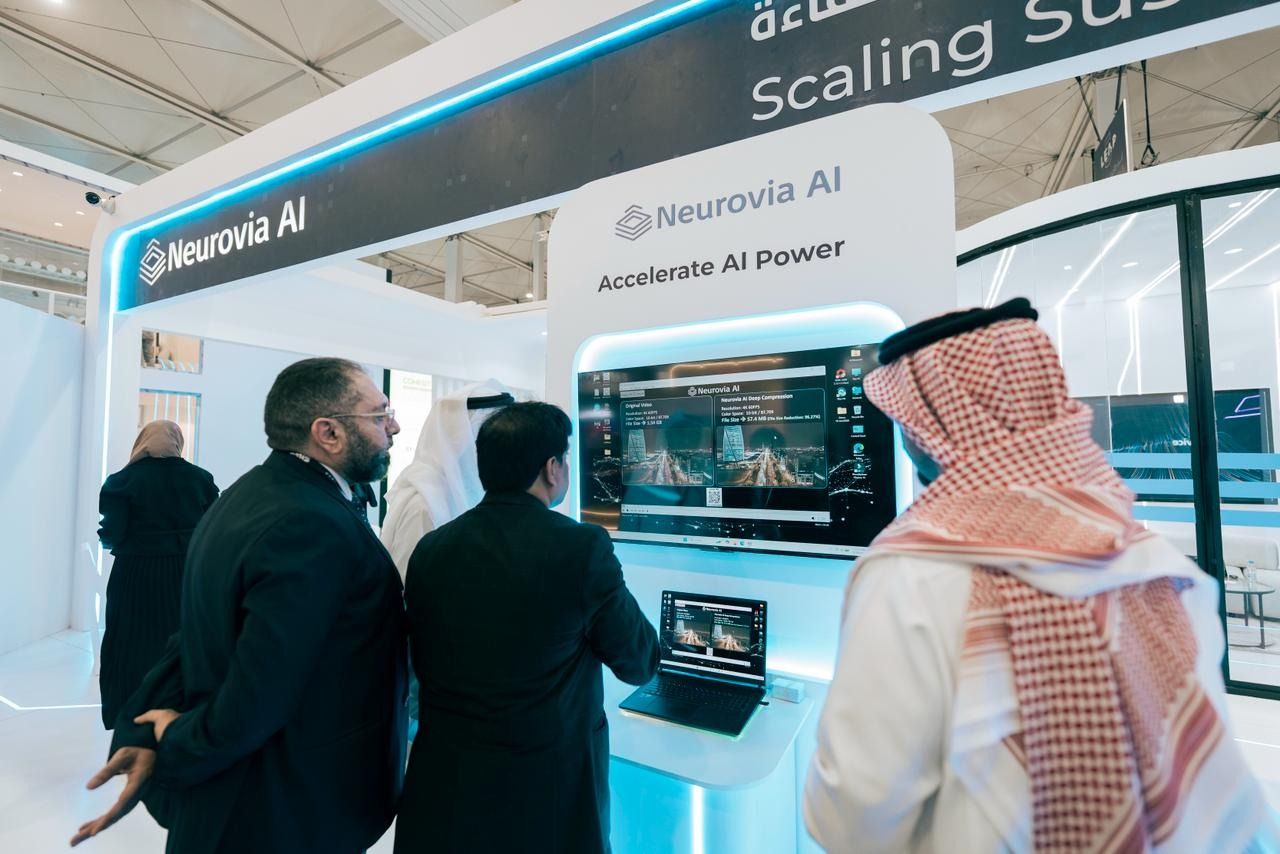
Neurovia AI, an Abu Dhabi-based company, is pitching Saudi security agencies software that it says can compres…
AI company Runway has unveiled Solaris, the first model in a new category it calls "Interface World Models." I…

John Deere introduced JD, a conversational AI tool that lets farmers ask open-ended questions about their hist…
Nvidia CEO Jensen Huang said on Fox Business that AI is creating 'hundreds of thousands' of jobs, including in…