Eli Horton, senior portfolio manager at TCW, stated this is the largest capital cycle the global economy has experienced, citing three drivers: energy security, rapid growth in electricity demand, and ongoing efforts to decarbonize. Together, these will combine to unleash close to $5 trillion of spending by the end of this decade.
AI hyperscaler capex is accelerating separately: Bank of America analysts estimated hyperscaler capex will top $800 billion this year, up 67% from 2025, with next year's total possibly reaching $1 trillion, backed by continued improvement in revenue and cash flow.
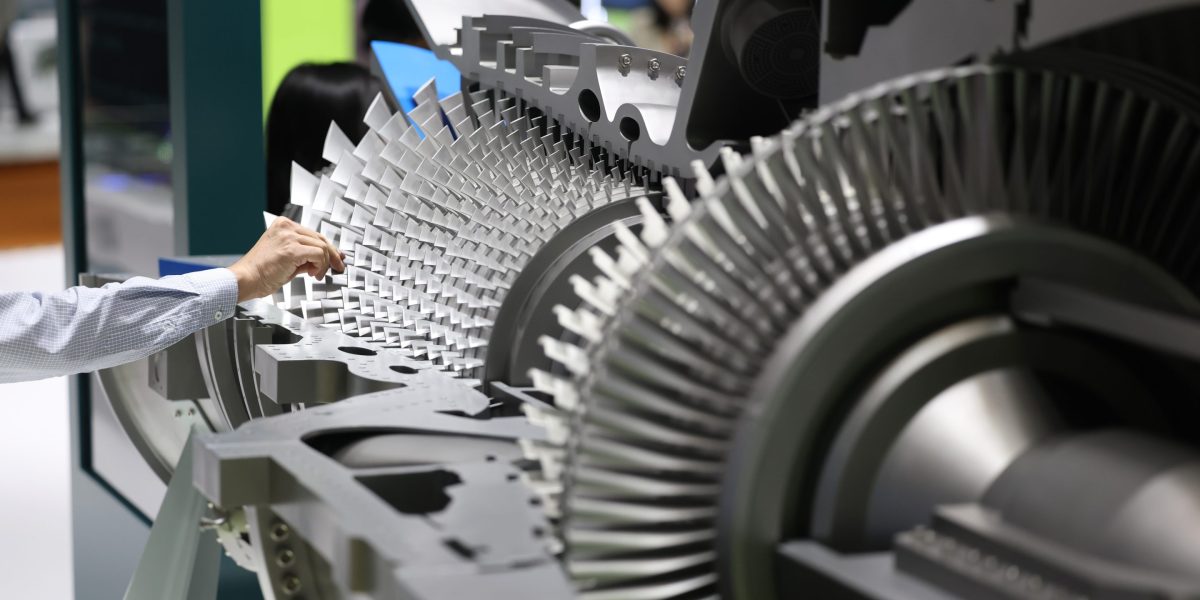
U.S. electricity demand is growing again after nearly two decades of stagnation due to revival of domestic manufacturing, electrification of the economy, and the AI frenzy. Demand for gas turbines from companies like GE Vernova has soared, with those companies now sold out to 2030.
Ask the AI about this article →
For example, today's edition would include:
AI-summarized, only the topics you pick — one digest a day via Email, Slack, or Discord.
Free · takes 30 seconds · unsubscribe anytimeWhat is AIToday? →
Ask AI anything about this article. Q&As are published on this page for other readers too.

