
What happened
Venice AI, a privacy-focused generative AI platform, secured a $65 million(約100億円) VC financing round that valued the company at $1 billion(約1600億円). The Venice (VVV) token, which grants staking access to the platform's computational resources, has risen 530% this year and more than 2,000% since launch in 2024.
Why it matters
Founder Erik Voorhees positions Venice as an antidote to centralized AI platforms like ChatGPT, arguing that the primary threat from AI is not job loss but erosion of privacy—the loss of personal data autonomy. For investors wary of concentrated AI control, the token's appeal rests on blockchain-backed, censorship-resistant alternatives to major tech platforms.
What to watch
Venice is already down 50% from its all-time high in January 2025, and the token's price depends heavily on public sentiment toward centralized AI. AI crypto investors tend to be volatile; tokens have historically soared then crashed, so timing and risk tolerance matter significantly for portfolio decisions.
Ask the AI about this article →
Summaries like this, in your inbox every morning.
Venice AI's ascent to unicorn status reflects a growing investor bet that privacy and decentralization will become selling points in AI. The company combines two trends—blockchain technology and generative AI—that have historically operated in separate bubbles. Voorhees's framing of privacy erosion as AI's core threat resonates with a subset of investors skeptical of how major platforms like OpenAI handle user data. The Venice token's 530% year-to-date gain demonstrates that this concern has moved beyond philosophical debate into real capital allocation.
However, the token's volatility signals the speculative nature of the bet. At 50% below its January 2025 peak, Venice exemplifies the boom-and-bust cycle that has characterized AI crypto assets: rapid adoption driven by trend-following sentiment, followed by sharp reversals when attention shifts. The company's actual ability to compete with OpenAI, Google, and other entrenched players on product quality, speed, and user experience remains largely unproven in the article's scope. For investors considering Venice, the risk profile depends less on the company's technical merit than on sustained public anxiety about privacy and the staying power of anti-centralization sentiment in AI.
For example, today's edition would include:
AI-summarized, only the topics you pick — one digest a day via Email, Slack, or Discord.
Free · 30 seconds with Google · unsubscribe anytimeWhat is AIToday? →
Ask AI anything about this article. Q&As are published on this page for other readers too.
Polaris.AI announced on September 7, 2026, that it has started offering an AI solution for manufacturing that…

Google Workspace Studio is a no-code automation tool that lets users build workflows through AI conversations

Japan's Digital Agency built "Gennai", a generative AI platform for government work, and has expanded it to ab…

Alphabet expanded its contrail-fighting AI program with Cathay Pacific

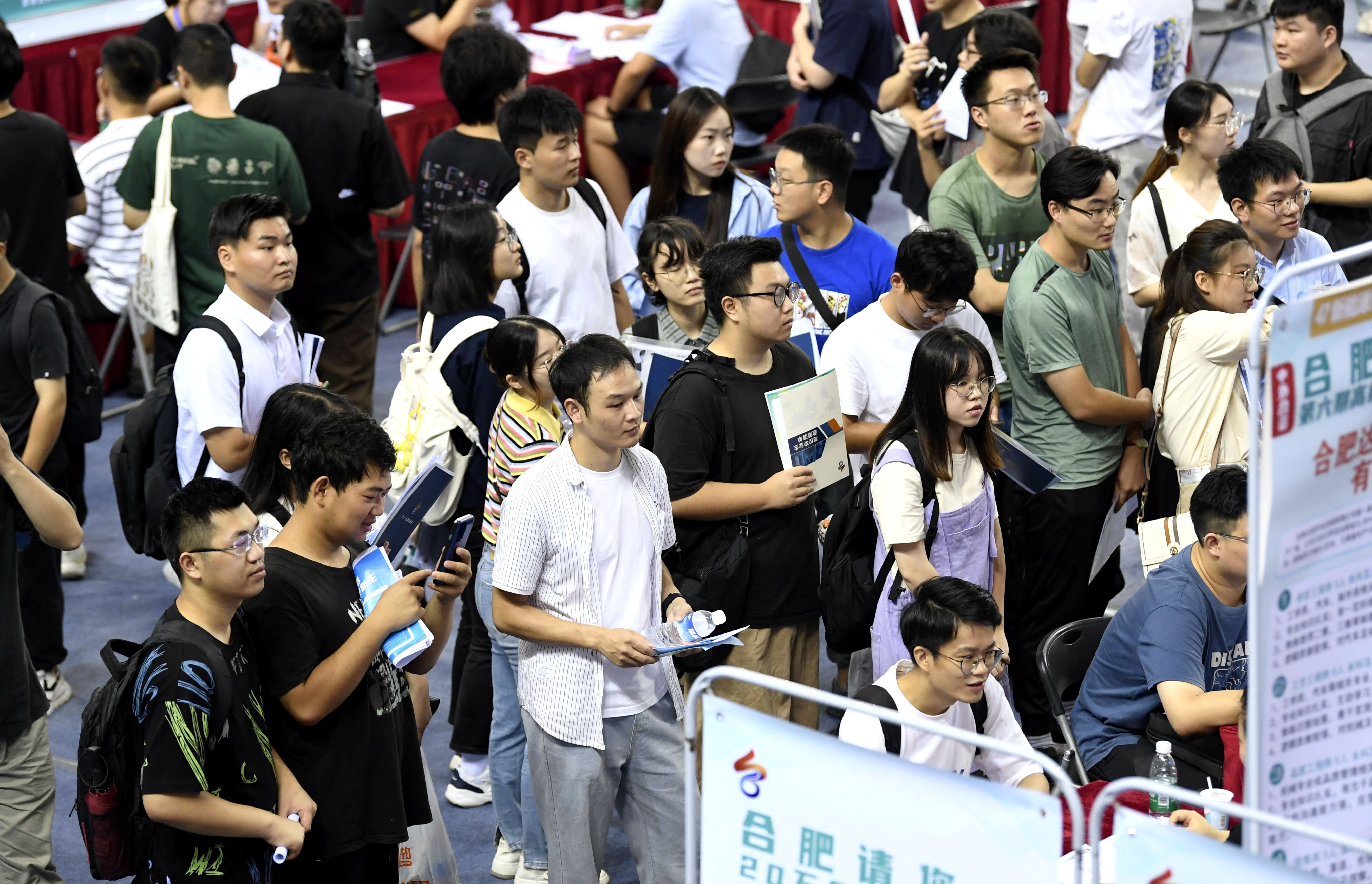
An estimated 12.7 million graduates will join China's workforce this year, the largest cohort yet, but the sup…
Latest US employment figures show no AI-driven surge in job losses, multiple analysts noted