What happened
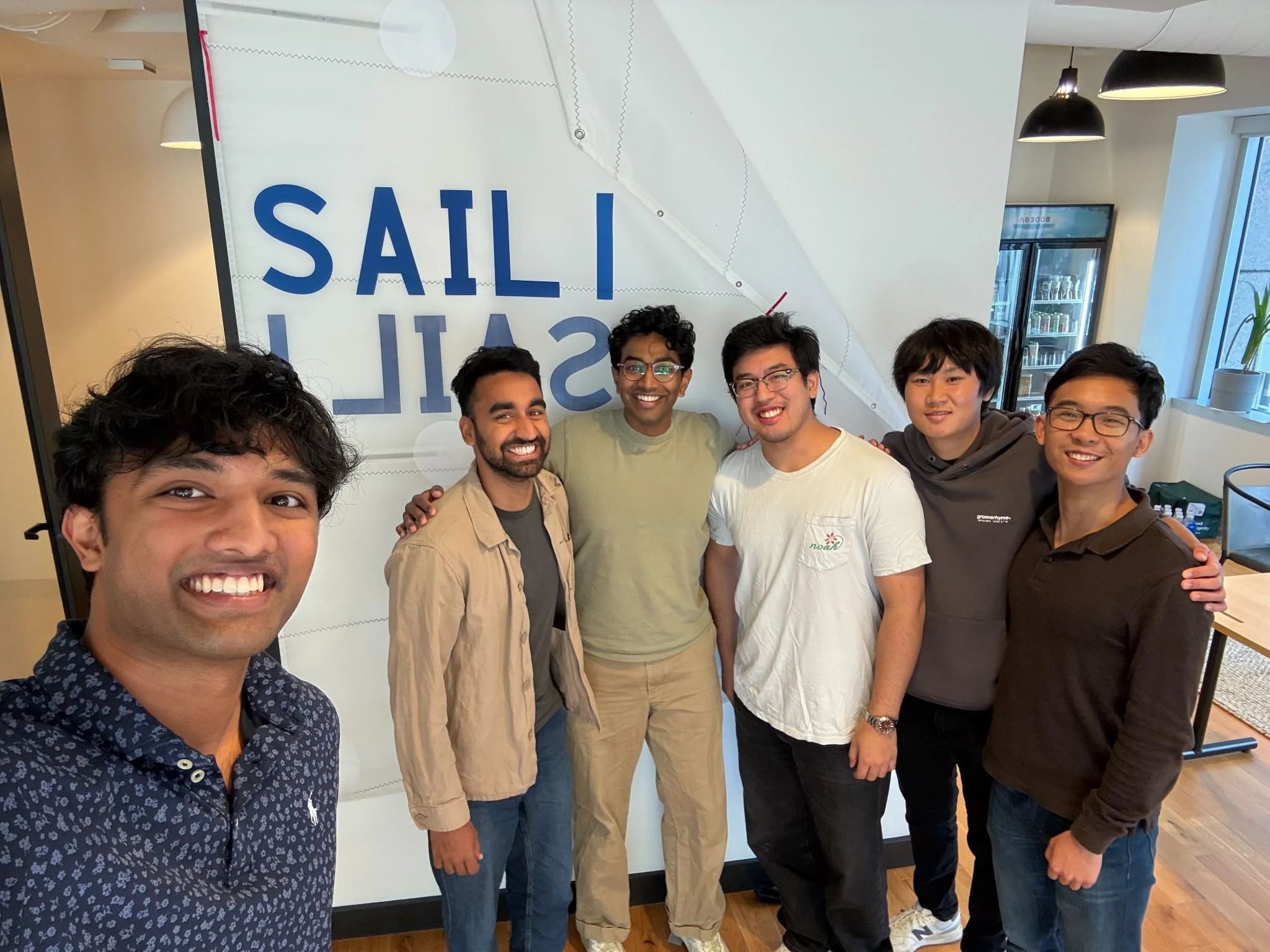
Sail Research, founded by Neil Movva and Samir Menon, announced a Series A investment alongside Kleiner Perkins, Redpoint, and Sequoia. The company routes asynchronous inference requests across open models like DeepSeek, Qwen, Kimi, and GLM, selecting the cheapest capable model for each task. GLM-5.1 on Sail costs 6x less per token than Anthropic's Haiku.
Why it matters
As AI agents shift from chat assistants into background workers running overnight tasks, most inference workloads will likely flow through batch queues rather than real-time systems. Batch inference costs far less because it uses spot capacity and idle server time instead of reserving capacity per request, making it economically viable for long-running tasks like code review, research, and document processing.
What to watch
Sailboxes—cloud computers that hold state across agent tasks, pause during inference waits, and resume in seconds—let customers pay only for active compute time. Sail has already served trillions of tokens to customers in code review, deep research, and cybersecurity.
Summaries like this, in your inbox every morning.
Pick your industry and the AI tools you use, and get news related to your work every day.
Free · 30 seconds with Google · unsubscribe anytimeWhat is AIToday? →
Ask AI anything about this article. The AI reads this article, earlier AIToday articles, and Wikipedia, and cites its sources. Q&As are published on this page for other readers too.

