
Jimmy Wales, founder of Wikipedia, argues that artificial intelligence can generate plausible-sounding answers but cannot yet be trusted to create reliable knowledge because of hallucinations—where AI invents false details that sound credible.
While Wikipedia's content is freely available for AI training, the platform maintains strict sourcing standards and human verification as its core defense against misinformation, remaining sustainable through millions of small donations rather than corporate dependence.
What happened
Jimmy Wales, Wikipedia's founder, discussed the platform's approach to artificial intelligence in an interview with Fortune Greece, arguing that while AI can produce coherent-sounding responses, it cannot yet be trusted to write encyclopedia articles because large language models hallucinate—inventing plausible but false details, from ISBN numbers to album names.
Why it matters
As AI companies increasingly train on Wikipedia's freely licensed content, Wales emphasizes that Wikipedia's real strength lies in human collaboration, sourcing standards, and community verification—not in speed of answer generation. Wikipedia's model of millions of small donors (averaging $10 per gift) funding ad-free knowledge infrastructure remains viable precisely because it is not beholden to tech companies or sensational headlines.
What to watch
Wikipedia currently bans AI from final article authorship but allows it to support parts of the writing process; that role will likely expand in the future. The platform operates in more than 300 languages, with roughly 60,000 to 80,000 regular editors globally and about 5,000 highly active users doing most of the work.
Ask the AI about this article →
For example, today's edition would include:
AI-summarized, only the topics you pick — one digest a day via Email, Slack, or Discord.
Free · takes 30 seconds · unsubscribe anytimeWhat is AIToday? →
Ask AI anything about this article. Q&As are published on this page for other readers too.
Israeli startup DataAgent Ltd

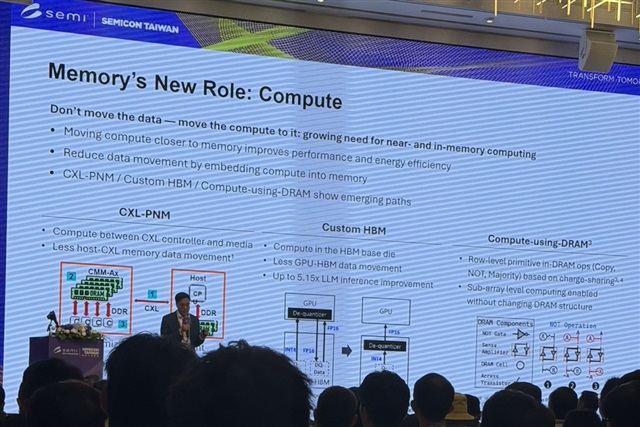
SK Hynix presented a custom HBM concept at SEMICON Taiwan 2026, where compute functions are placed in the base…
The U.S. Department of Defense announced on August 31 that it has deployed ChatGPT Mil, a customized version o…

Nvidia reported earnings that were both remarkable and boring, reflecting its focus on avoiding a consolidated…

Anthropic has agreed to a $35bn cloud-computing contract with Lambda, a Nvidia-backed cloud provider

The Consumer Affairs Agency said Tuesday it will use generative AI to analyze about 900,000 annual consultatio…