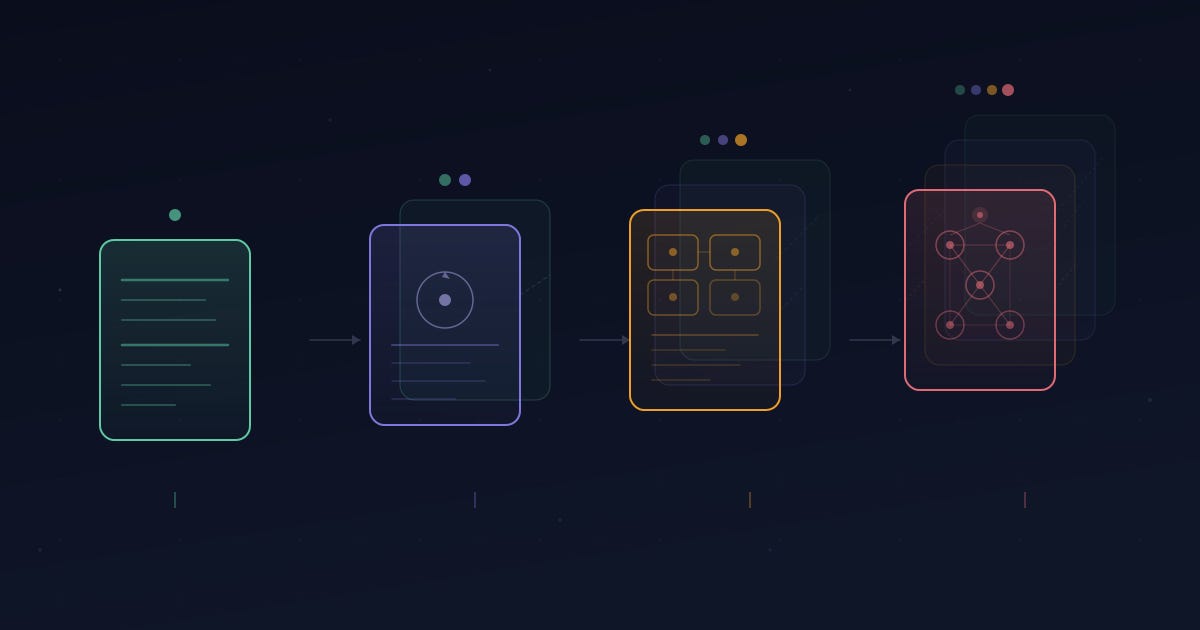
A software engineer documented how each individual decision to upgrade their AI coding tools (better GPU, faster storage, more capable models) seemed justified at the time, but together created an unnecessarily complex and costly system — a cautionary tale about the hidden cost of incremental technical choices.
The issue: each upgrade solved a real problem (slow inference times, storage bottlenecks, limited model capabilities), but the engineer didn't step back to ask whether the combined stack was the right choice for their actual workflow, not just the theoretical ideal.
For teams building internal AI systems or considering ChatGPT Plus, Claude Pro, or custom setups: this shows you should define what tasks you actually need to solve first, then choose your tools — not upgrade based on "this would be nice to have" and wake up months later with an expensive architecture that's hard to maintain or justify to management.
Ask the AI about this article →
For example, today's edition would include:
AI-summarized, only the topics you pick — one digest a day via Email, Slack, or Discord.
Free · takes 30 seconds · unsubscribe anytimeWhat is AIToday? →
Ask AI anything about this article. Q&As are published on this page for other readers too.
Anthropic launched Claude Fable 5.1 and Mythos 5.1, its most capable AI models yet, with gains in agentic codi…

John Ternus takes over as CEO of Apple today, stepping into the role as the company confronts the AI era

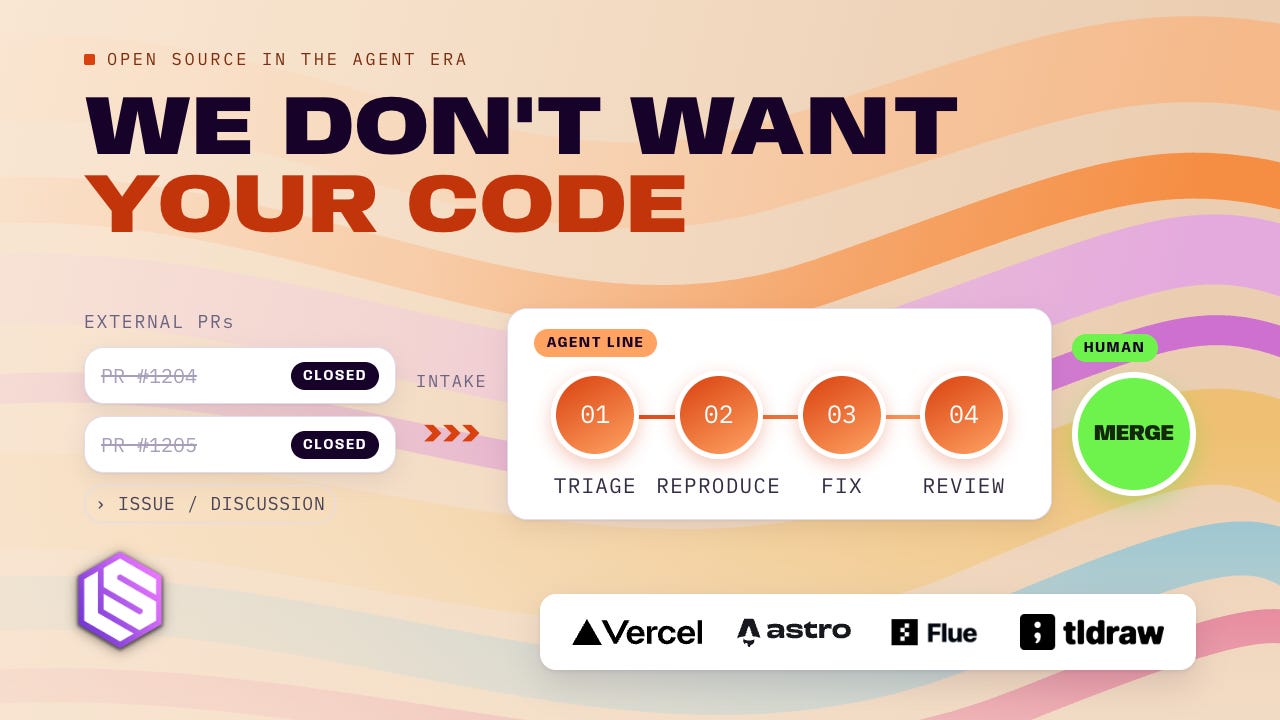
Top AI-native open source projects like Flue and tldraw are refusing external pull requests, often because the…
Visual Studio Code 1.135 now includes an experimental 'Rubber Duck' feature that lets developers request a sec…
Anthropic is making a permanent 25% increase to the usage limits in Claude Code, effective after September 14
OpenClaw creator Peter Steinberger and co-developers announced OpenClaw 2.0 over the weekend, describing it as…