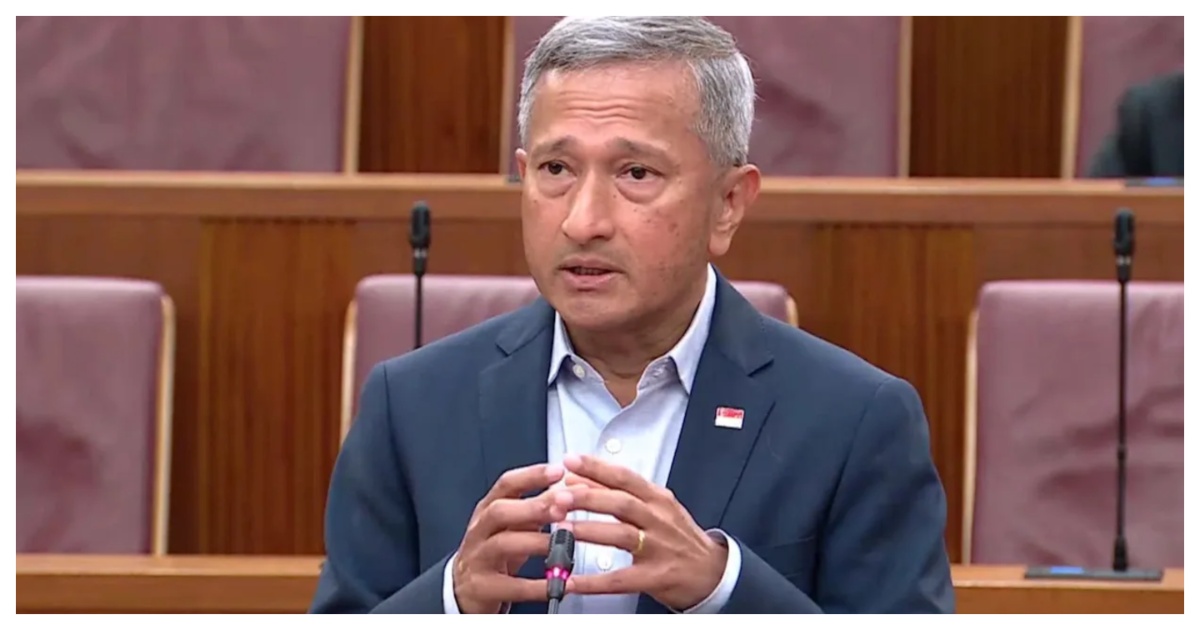
Dr. Balakrishnan, Singapore's top diplomat, publicly revealed he built NanoClaw (an open-source Claude assistant by developer Gavriel Cohen) running locally on a Raspberry Pi 5. The system ingests his speeches, articles, and web clips into a structured knowledge graph, then automatically surfaces relevant facts when he asks questions—solving the core problem that standard AI forgets everything between sessions.
Unlike cloud-based AI tools, this system keeps all data on-device: vector embeddings (the mathematical fingerprints AI uses to search) run locally via Ollama, voice transcription happens via whisper.cpp without sending audio to external servers, and each messaging group (WhatsApp, Telegram, Slack, Discord) gets its own isolated Docker container. This means Balakrishnan's private diplomatic conversations never leave his network.
For diplomats and knowledge workers who juggle decades of policy context, institutional history, and nuanced briefings, a compounding memory system transforms how they work—instead of re-researching the same facts, the AI learns what matters and surfaces it automatically. Balakrishnan states he uses it daily for drafting speeches, answering questions, conducting research, and receiving briefings, and 'doesn't dare switch it off.' This is not a theoretical debate about AI; it is a Cabinet minister's active, daily tool.
Ask the AI about this article →
For example, today's edition would include:
AI-summarized, only the topics you pick — one digest a day via Email, Slack, or Discord.
Free · takes 30 seconds · unsubscribe anytimeWhat is AIToday? →
Ask AI anything about this article. Q&As are published on this page for other readers too.

