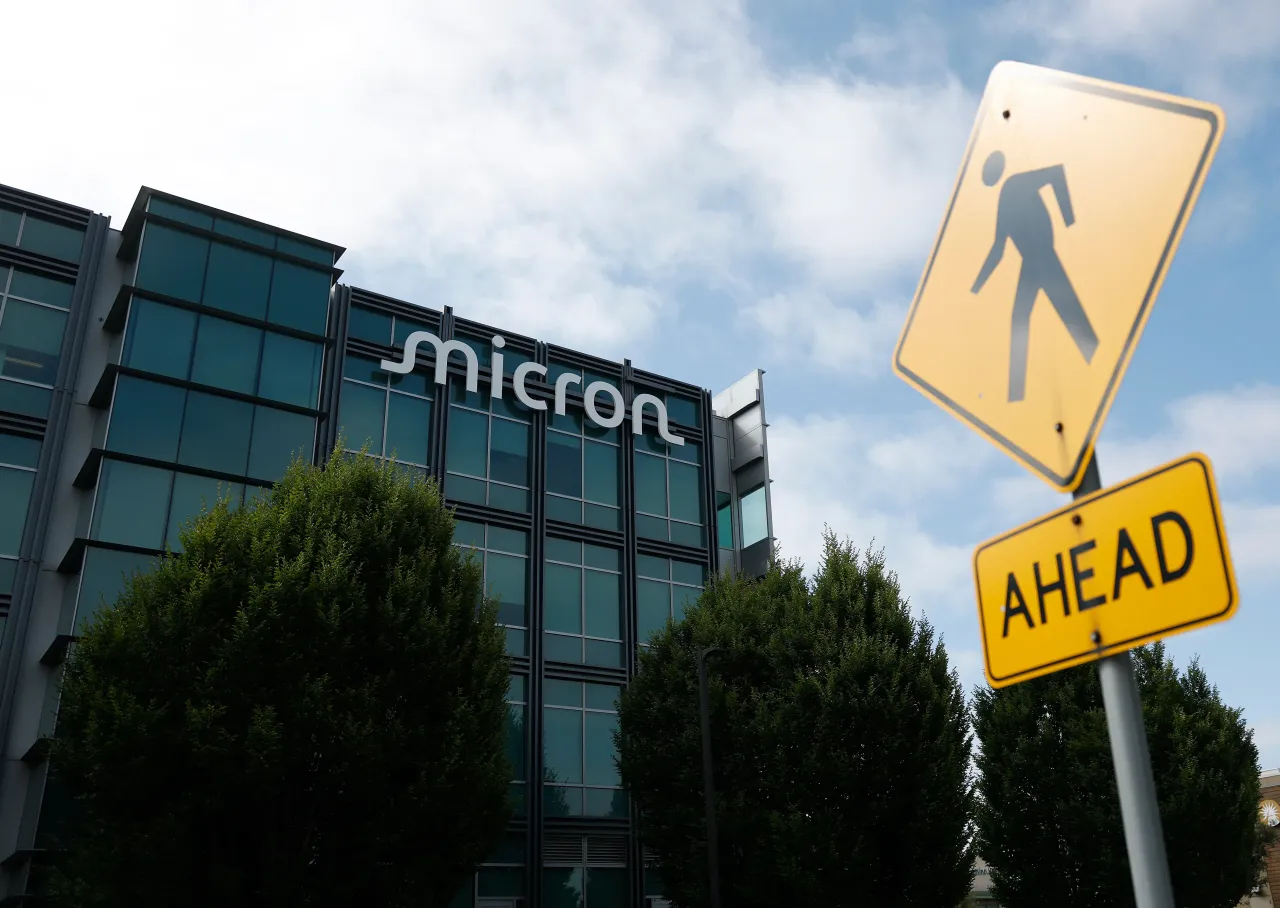
U.S. and South Korean memory chip stocks fell sharply on Tuesday despite strong earnings from Samsung, which reported a 19-fold surge in Q2 operating profit and forecast revenue growth of 129%.
The selloff appears to be profit-taking after steep year-to-date gains rather than weakness in fundamentals, with traders betting the dips represent a buying opportunity.
What happened
U.S. memory chip stocks including Micron and Western Digital fell 5% in premarket trading on Tuesday, tracking losses in Samsung and SK Hynix shares that dragged South Korea's Kospi index down as much as 8.2% and briefly into bear market territory. Samsung and SK Hynix each tumbled 6.9% and 6.1%, respectively, despite Samsung posting a 19-fold surge in second-quarter operating profit.
Why it matters
The slide appears driven by profit-taking rather than deteriorating fundamentals — Samsung forecast operating profit of $58.44 billion(約9.4兆円) for Q2, a 19-fold increase over the same quarter last year and more than six times the operating profit in all of fiscal 2025. Memory chip stocks have surged sharply this year (Micron up 245% and SanDisk up 635% year to date), making them vulnerable to pullbacks after strong runs.
What to watch
The Roundhill Memory ETF (DRAM), which holds Samsung, SK Hynix, and Micron as its top three holdings, dropped 5.8%. Retail sentiment on Stocktwits remains 'extremely bullish' on SanDisk and 'bullish' on Micron and DRAM, with traders viewing the dip as a buying opportunity; DRAM is down 19% from its June 22 peak.
Ask the AI about this article →
Memory chip stocks face a classic risk after extended rallies: profit-taking ahead of or during strong earnings. Samsung's second-quarter results — with operating profit reaching $58.44 billion(約9.4兆円) and revenue forecasted to grow 129% — underpin the strength of the memory chip sector this year. Yet the same stellar performance has driven valuations sharply higher, with Micron and SanDisk posting triple-digit percentage gains year to date. Investors are using the pullback to lock in gains, which pushed the Kospi down as much as 8.2% earlier in the session. Samsung and SK Hynix, which together account for more than half of the index's market capitalization, bore the brunt of the selling.
Retail traders on Stocktwits interpret the move as temporary. Despite 'bullish' and 'extremely bullish' sentiment on the memory stocks, the broader shift reflects the tension between strong fundamentals and valuation risk. The Roundhill Memory ETF's 19% decline from its June 22 peak signals that profit-taking pressure is real, even if the underlying earnings power remains robust.
For example, today's edition would include:
AI-summarized, only the topics you pick — one digest a day via Email, Slack, or Discord.
Free · takes 30 seconds · unsubscribe anytimeWhat is AIToday? →
Ask AI anything about this article. Q&As are published on this page for other readers too.

