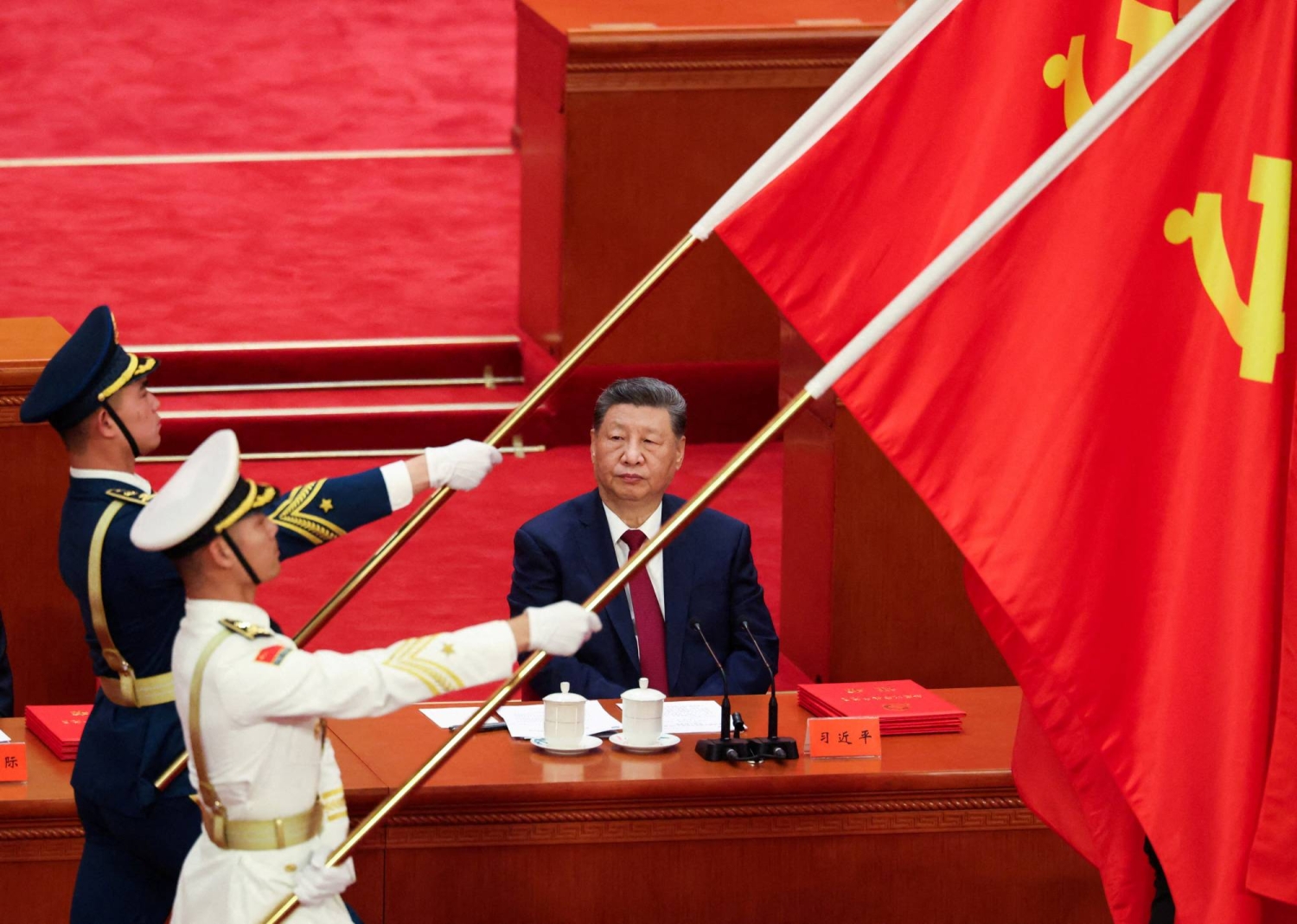
President Xi Jinping is expected to debut at the World AI Conference in Shanghai starting Friday, using the platform to advance China's claim to shaping global AI rules as Chinese AI models gain unprecedented traction worldwide—reaching nearly 60% of U.S. firms' AI usage on major marketplaces.
His appearance reflects both China's technological ascendance and the security dilemma this rise poses for both Washington and Beijing, with state media this week framing China's AI approach as more open than Western alternatives.
What happened
President Xi Jinping is expected to address the World AI Conference in Shanghai starting Friday, where he will present China's position on AI as Chinese models gain global traction. Chinese AI models' share of U.S. firms' AI usage on the OpenRouter marketplace has neared a record 60%, and Chinese models are winning over companies worldwide.
Why it matters
Xi's appearance gives him a platform to shape global AI rules at a moment when China's AI capabilities are strengthening. State media this week framed China's approach as openness—contrasting what it called an "oil mindset" that hoards data and computing power with a "water" approach treating AI as a public good—positioning China as the alternative to what it termed an "AI Iron Curtain."
What to watch
The conference, which previously attracted figures like Elon Musk and Jack Ma, will bring together scores of tech and government leaders. Xi's debut appearance signals the strategic importance Beijing places on AI governance and international framing of the technology.
Ask the AI about this article →
China's rising AI capabilities have created a dual opportunity and tension for President Xi. On one hand, the surge of Chinese AI models—now capturing nearly 60% of U.S. firms' AI usage on major marketplaces—gives Xi credibility to claim leadership over how AI develops and is governed globally. His debut at the World AI Conference is itself a signal: the event carries prestige (it has hosted Elon Musk and Jack Ma in the past), and his attendance elevates it to a statement of geopolitical intent.
On the other hand, this same ascendance creates what the article frames as a "security dilemma"—alarm in both Washington and Beijing. The implication is that China's growing AI power raises concerns for the U.S. while also triggering internal Chinese security worries. State media messaging this week—contrasting China's "water" approach (openness, treating AI as a public good) with a Western "oil mindset" (hoarding data and computing power)—suggests Beijing is already framing the narrative around whose AI model and governance approach is more legitimate. This rhetorical positioning ahead of Xi's appearance indicates an effort to win allies and set the terms of the global AI debate.
For example, today's edition would include:
AI-summarized, only the topics you pick — one digest a day via Email, Slack, or Discord.
Free · takes 30 seconds · unsubscribe anytimeWhat is AIToday? →
Ask AI anything about this article. Q&As are published on this page for other readers too.
Visko raised $10 million in pre-seed funding from Llama Ventures and opened public access to its first foundat…

U.S. markets ended August higher, with the S&P 500 up 2.6% and the Nasdaq up 3.9%

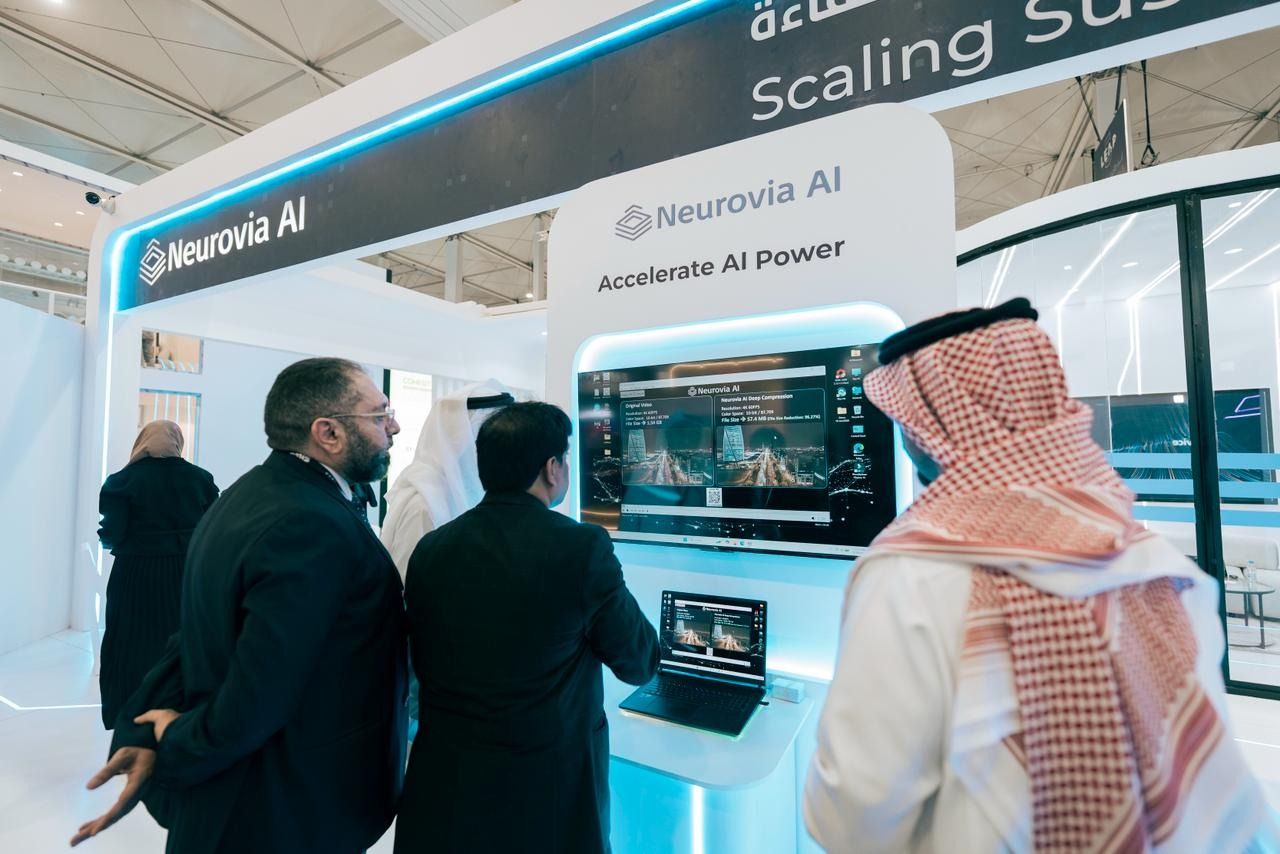
Neurovia AI, an Abu Dhabi-based company, is pitching Saudi security agencies software that it says can compres…
AI company Runway has unveiled Solaris, the first model in a new category it calls "Interface World Models." I…

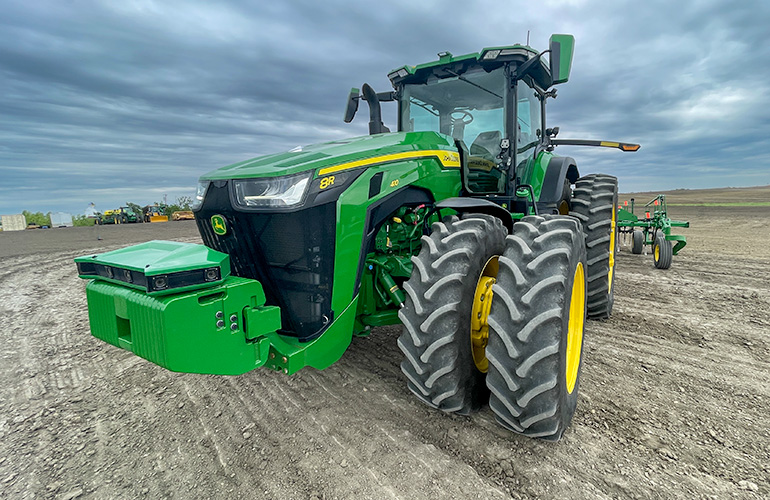
John Deere introduced JD, a conversational AI tool that lets farmers ask open-ended questions about their hist…
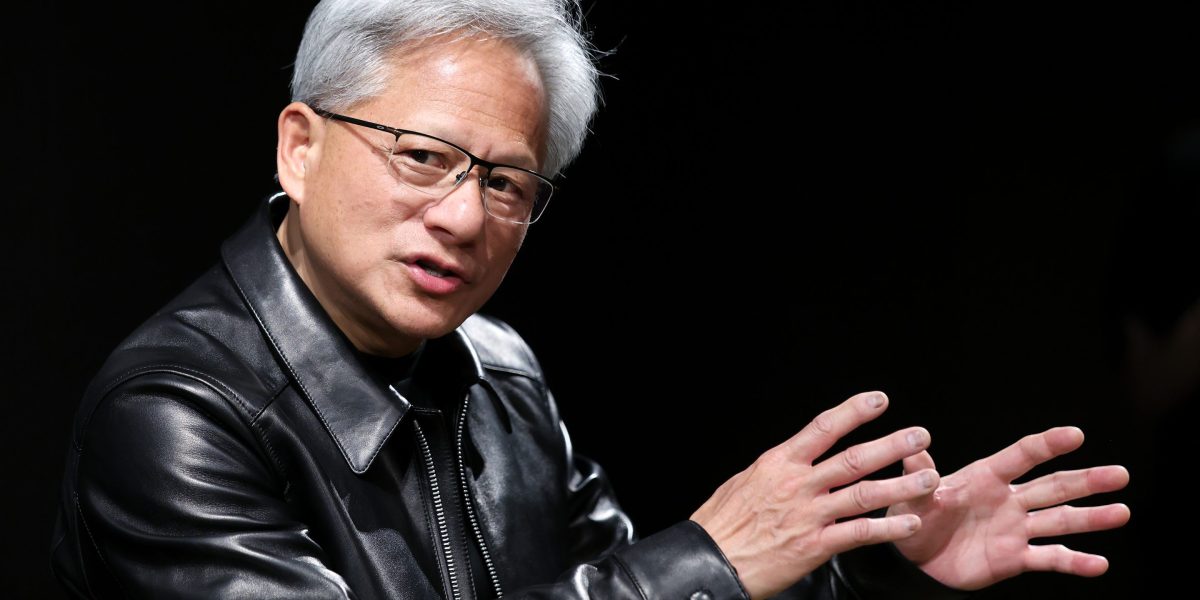
Nvidia CEO Jensen Huang said on Fox Business that AI is creating 'hundreds of thousands' of jobs, including in…