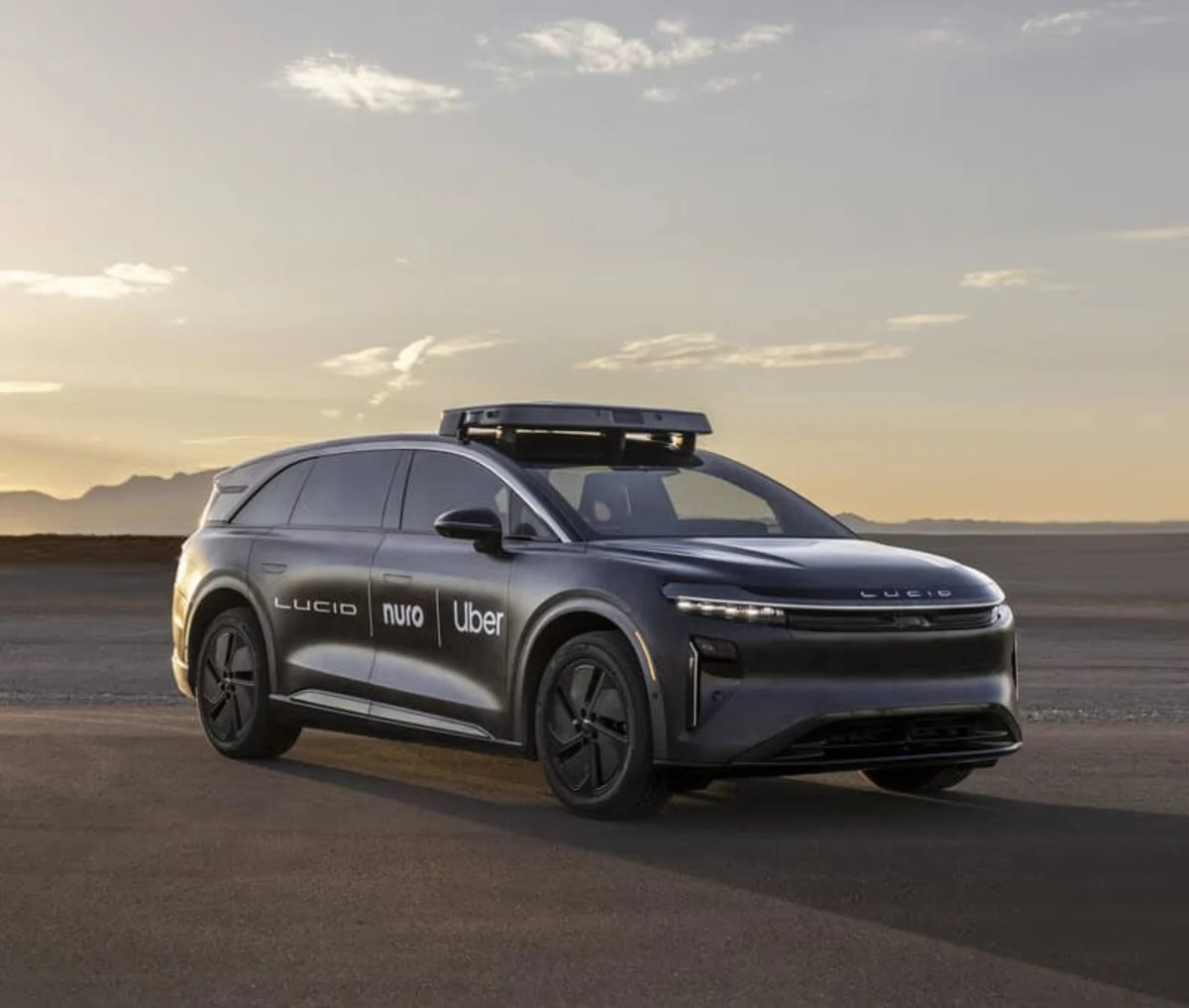
Uber has laid off 10% of its customer service staff as part of a broader wave of AI-driven workforce reductions, joining Block and Oracle in citing artificial intelligence as justification for job cuts. The trend raises concerns about whether AI will eventually displace hundreds of thousands of workers across industries, from software engineers to front-line retail positions at major retailers like McDonald's and Walmart, though it remains unclear whether these cuts are early signs of widespread disruption or isolated efficiency measures.
Summaries like this, in your inbox every morning.
Sign up free →What happened
Uber laid off 10% of its customer service workforce, with VP Megha Yethatika stating the organization had become "too complex and siloed" and citing a push to embrace artificial intelligence. Block cut 4,000 jobs (40% of staff) and Oracle cut 21,000 positions (13% of its 162,000 workers), both citing AI-driven efficiency.
Why it matters
The layoffs raise questions about whether AI will trigger widespread job cuts across industries or remain isolated to narrow parts of businesses. Software engineers, data analysts, and entry-level roles analyzing recommendations face potential displacement if AI proves faster and more accurate. The impact could extend across consulting and financial services.
What to watch
Analysts suggest the largest AI-driven layoffs may eventually occur among front-line retail workers at major employers like McDonald's and Walmart, potentially reaching hundreds of thousands of positions in aggregate across America's largest employers.
Uber has cut 10% of its customer service workforce in what the company frames as a modernization effort. Megha Yethatika, Uber's vice president of global community operations, attributed the decision to the fact that "our organization has become too complex and siloed" and expressed the company's commitment to embracing artificial intelligence.
Uber's move is part of a broader pattern of AI-justified layoffs at major corporations. Block, Jack Dorsey's payments and financial-services company, eliminated 4,000 jobs—40% of its entire workforce—with Dorsey arguing that smaller teams paired with AI could operate extremely efficiently. Oracle followed with 21,000 layoffs affecting 13% of its 162,000-person workforce. Amazon and Meta have also downsized operations citing AI, though skepticism surrounds some of these announcements; for instance, Oracle's expense structure is viewed in light of its substantial AI investments, which have triggered stock sell-offs.
The question animating business and labor discourse is whether these cuts represent the opening stage of an AI-driven "unemployment apocalypse" or isolated instances of operational efficiency. The body identifies several vulnerable job categories: software engineers, entry-level data analysts, and roles centered on recommendations and analysis—all potentially replaceable if AI systems deliver faster and more accurate results. The displacement could extend across consulting and financial services sectors.
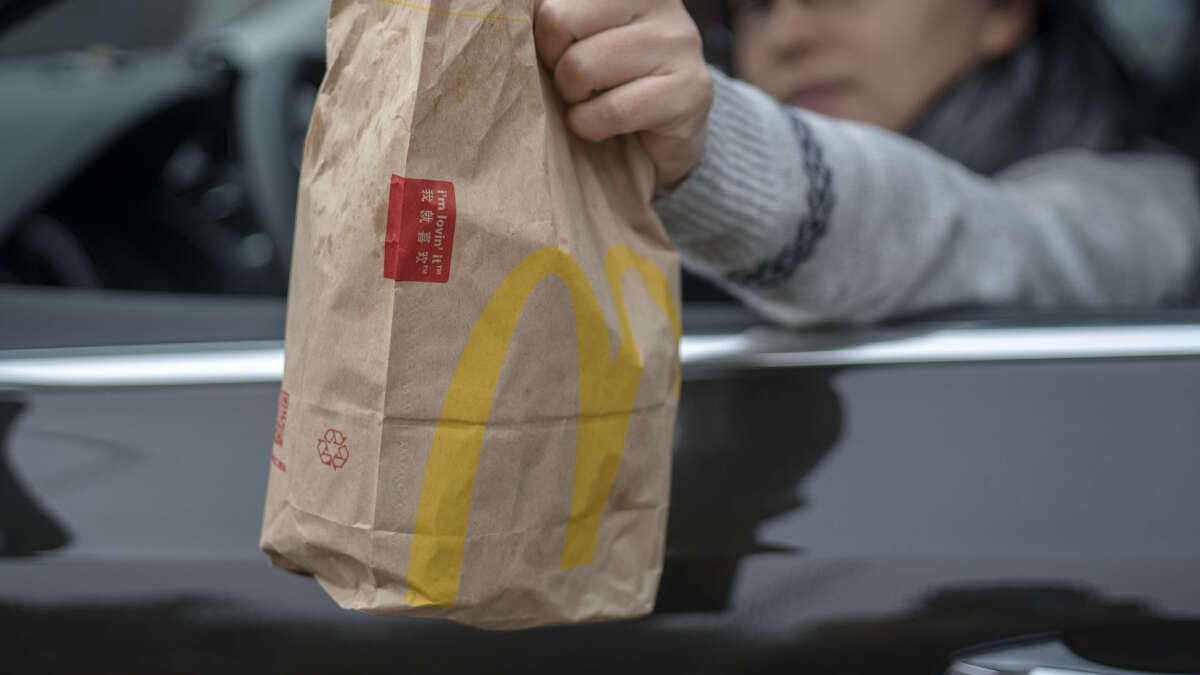
Larger numbers of AI-driven job losses, however, may emerge among front-line workers in retail and food service. McDonald's and Walmart are cited as examples of major employers where AI could eliminate significant portions of the workforce. Aggregated across America's largest employers, such cuts could eventually reach hundreds of thousands of positions.
A wave of high-profile layoffs at major technology and business-services companies has reignited debate about artificial intelligence's true impact on employment. Uber's decision to cut 10% of its customer service staff, attributed by VP Megha Yethatika to organizational complexity and AI adoption, follows similar moves by Block (which eliminated 40% of staff) and Oracle (which cut 21,000 positions, or 13% of its workforce). Both Block CEO Jack Dorsey and Oracle's leadership cited AI efficiency gains as justification—a pattern repeated by Amazon and Meta as they downsize portions of their operations.
The immediate concern centers on which job categories face the greatest exposure. The body identifies software engineers, data analysts, and entry-level roles involving data analysis and recommendations as vulnerable, particularly if AI systems prove faster and more accurate at these tasks. Beyond technology, the impact could spread into consulting and financial services. However, the analysis suggests that front-line retail and service workers—at employers such as McDonald's and Walmart—may eventually face the largest aggregate displacement, with potential job losses reaching the hundreds of thousands across major U.S. employers combined.
AI-summarized, only the topics you pick — one digest a day via Email, Slack, or Discord.
Free · takes 30 seconds · unsubscribe anytime
No comments yet. Be the first to share your thoughts!
Log in to join the discussion



Get curated AI news from 200+ sources delivered daily to your inbox. Free to use.
Get Started FreeFree · takes 30 seconds · unsubscribe anytime
