What happened
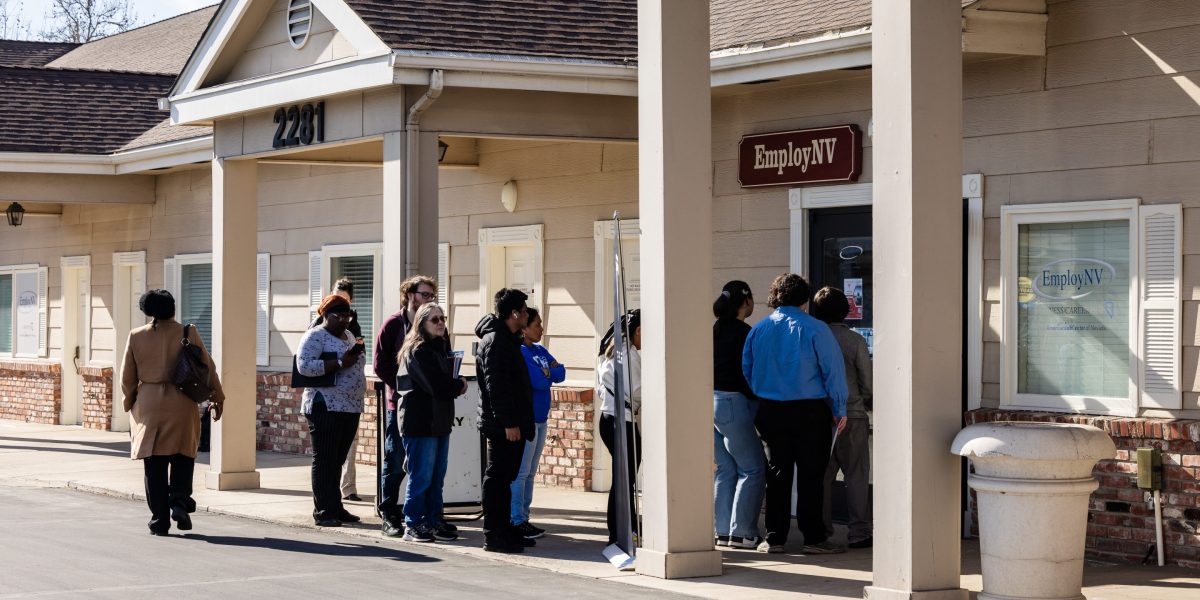
Tech companies have let go nearly 120,000 workers in 2026 as they pursue AI productivity gains. At the same time, a 2022 BLS survey found that nearly 75% of unemployed people did not apply for unemployment insurance benefits—a figure experts say remains accurate today.
Why it matters
The unemployment insurance system, unchanged since the New Deal and with federal tax rates unchanged since the 1980s, was already strained during the pandemic. Newly displaced workers face multiple barriers: 55% don't apply because they believe they're ineligible, the application process can be prolonged with employer challenges, and only about 55% of applicants actually receive benefits. Some states have cut benefit duration from the historical 26 weeks down to 12 weeks, and replaced wages now typically reach only 30% or less of previous income instead of the original 50% goal.
What to watch
Labor union membership has fallen to a historic low of 9.9% in 2024, which matters because people who belonged to unions are twice as likely to apply for benefits and understand the process. Experts warn that a wholesale reform of the unemployment system will be needed if AI-driven job losses accelerate or if another recession occurs.
Summaries like this, in your inbox every morning.
Pick your industry and the AI tools you use, and get news related to your work every day.
Free · 30 seconds with Google · unsubscribe anytimeWhat is AIToday? →
Ask AI anything about this article. The AI reads this article, earlier AIToday articles, and Wikipedia, and cites its sources. Q&As are published on this page for other readers too.

