Summaries like this, in your inbox every morning.
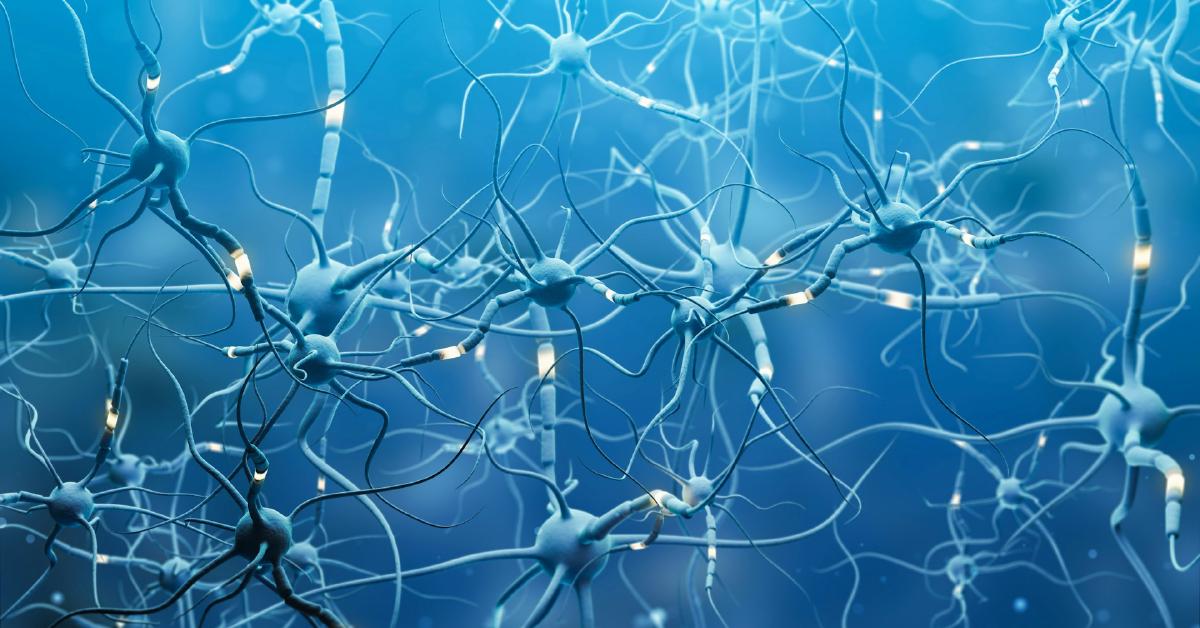
Sign up free →Brain Regeneration Observatory unveiled a long-term AI research platform designed to analyze and predict how nerve cells regenerate after spinal cord injuries. Unlike one-off AI projects, this is built as a permanent research infrastructure combining machine learning with biological experiments over multiple years.
The system uses AI to process vast amounts of experimental data from regenerating nerve tissue, identifying patterns that would take human researchers decades to spot manually. This lets scientists test treatment hypotheses in weeks rather than years, compressing the typical path from discovery to human clinical trials.
For people with spinal cord injuries and the families who support them, this means viable regenerative therapies could move from theoretical to available within the next 5–10 years instead of requiring 30+ years of traditional research. For biotech investors and pharma companies, it signals a new model where AI handles the data-bottleneck in regenerative medicine, making previously impossible drug pipelines economically viable.
No discussion yet for this article
Get curated AI news from 200+ sources delivered daily to your inbox. Free to use.
Get Started FreeFree · takes 30 seconds · unsubscribe anytime
1 minute a day. The AI essentials.
200+ sources · Email / LINE / Slack
