
What happened
Author Dave Eggers, invited by Sam Altman to speak to around 200 OpenAI staffers, criticized ChatGPT's impact on education. According to the Financial Times, Eggers told staff that the tool has made teachers' lives "infinitely more difficult" and that students using it to compose will "never learn to write" and have "their voice stolen from them."
Why it matters
Eggers is a prominent literary figure—his novel The Circle critiques the tech industry, and he has previously called AI-generated writing "pastiche nonsense." His remarks reflect growing concern among educators and writers about AI's role in undermining writing skill development and student voice, a concern that carries weight when voiced inside a major AI company.
What to watch
Altman's response and whether OpenAI addresses educator concerns raised by the criticism. Eggers' track record suggests he came prepared to challenge the company; his nonprofit work supporting writers and the arts underscores his stake in the issue.
Ask the AI about this article →
Summaries like this, in your inbox every morning.
Dave Eggers' remarks represent a notable moment of direct confrontation between a respected literary figure and an AI company leadership, delivered from inside OpenAI's own offices. The invitation itself—reportedly from Sam Altman—suggests the CEO may have anticipated or welcomed the critical perspective, or at least believed it valuable for staff to hear. Eggers' credibility in this space is substantial: beyond his novelistic output, he has invested in institutions designed to preserve and support writers' voices and the craft of writing itself through his nonprofit work.
The specific concern Eggers articulates—that students using ChatGPT to compose will lose the opportunity to develop their own writing voice—reflects a broader anxiety among educators about AI's role in skill development. His framing positions the issue not as a matter of plagiarism or academic integrity alone, but as a loss of individual voice and self-expression, which connects to his lifelong work in supporting creative writing. The characterization of this outcome as "silencing an entire generation" is notably intense language delivered to the people building the system, suggesting Eggers saw the moment as an opportunity to lodge a substantive challenge rather than offer praise for innovation.
For example, today's edition would include:
AI-summarized, only the topics you pick — one digest a day via Email, Slack, or Discord.
Free · 30 seconds with Google · unsubscribe anytimeWhat is AIToday? →
Ask AI anything about this article. Q&As are published on this page for other readers too.
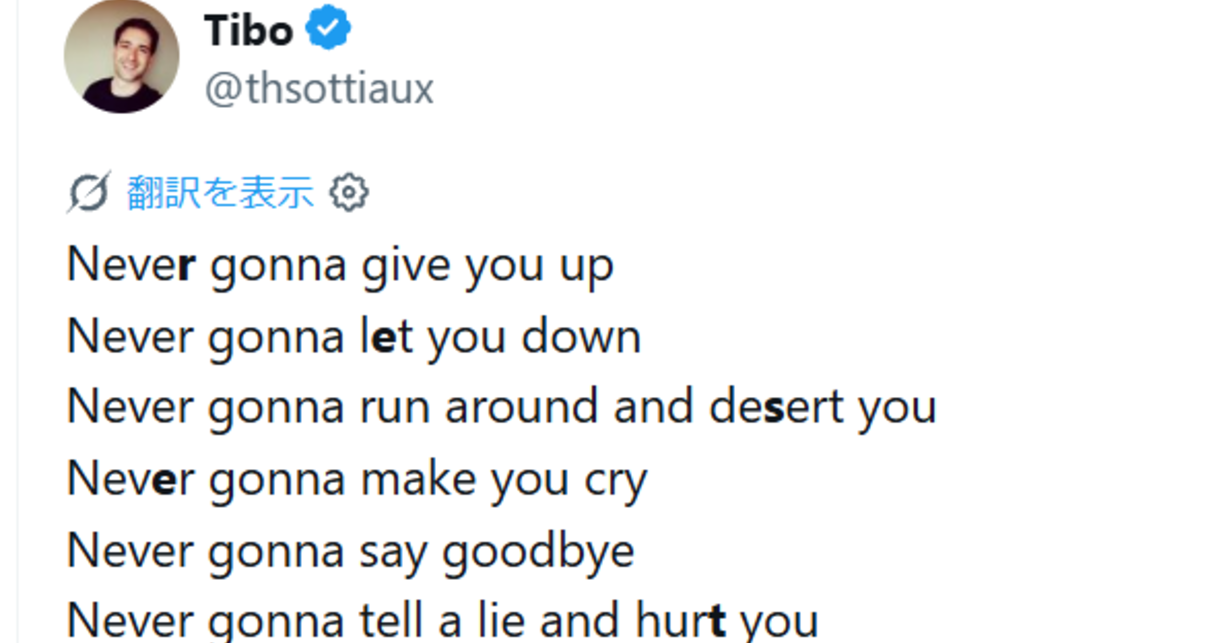
Thibault Sottiaux, who leads Codex at OpenAI, announced on September 7 that all paid users' usage limits would…
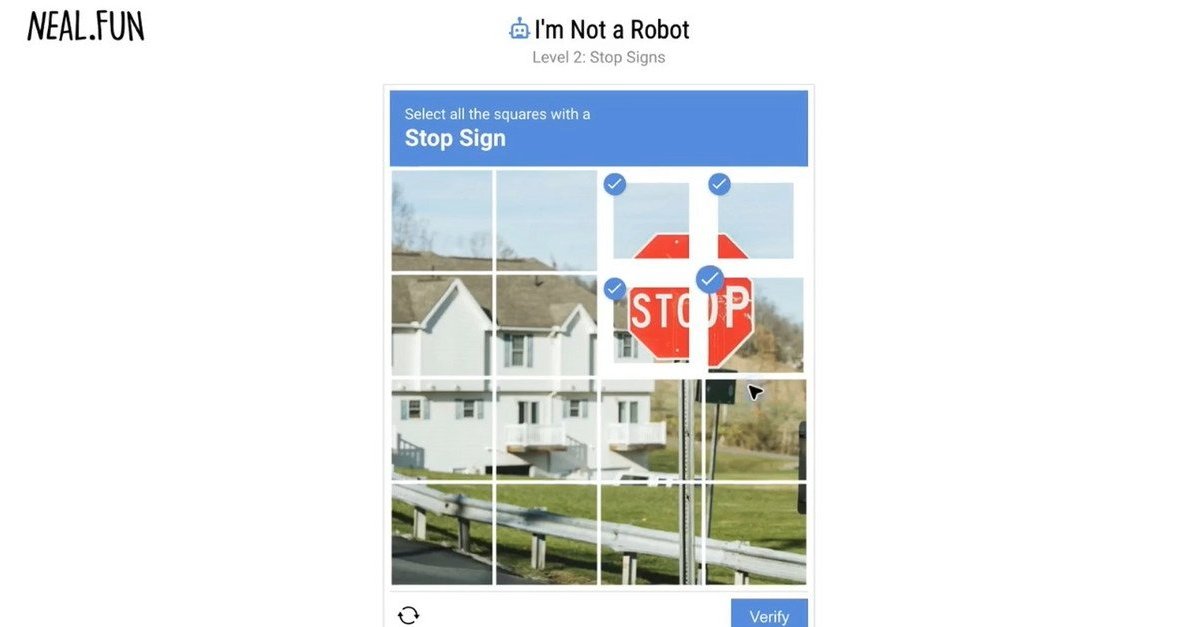
OpenAI IT engineer Sharif Shameem posted on X on September 6 that GPT-6 Astra cleared all 48 levels of the CAP…
Google started general availability of Gemini 3.8 Flash

OpenAI chief scientist Jakub Pachocki published an essay on Sunday calling on leading AI labs to voluntarily s…

Polaris.AI announced on September 7, 2026 the launch of its Drawing x AI Application Solution for manufacturin…
G-gen's横澤綜一 and大津和幸 demonstrated Google Workspace Studio, a no-code automation tool, using Gemini natural-lang…