What happened
Anthropic is cracking down on workarounds that Chinese companies have used to access Claude AI, including corporate accounts routed through Singapore entities and personal subscriptions accessed via VPN. The company said it explicitly prohibits access from unsupported regions including China and uses detection systems to identify and ban violating accounts.
Why it matters
Chinese engineers value Claude Code—which produces outputs usable for distillation, a technique to train smaller AI models—making unauthorized access a competitive concern for Anthropic. While the workarounds breach Anthropic's terms of service, they do not violate U.S. or Chinese law, leaving Anthropic to rely on its own enforcement.
What to watch
Anthropic continues to target 'transfer station' services that relay mainland requests through overseas accounts, though larger Chinese AI groups avoid these due to concerns that operators may store or resell prompts.
Summaries like this, in your inbox every morning.
Anthropic has long maintained one of the strictest access bans among U.S. AI companies toward China, but the company now faces a gap between its policy and enforcement. Chinese enterprises—particularly Ant Financial and ByteDance—have systematically found ways to work around the restriction by routing access through third-country entities and personal subscription schemes. These tactics exploit Anthropic's enforcement surface area: the workarounds are not illegal under U.S. or Chinese law, so Anthropic must rely on its own detection and account termination capabilities rather than legal intervention.
The particular appeal of Claude for Chinese engineers points to a strategic concern beyond simple access: Claude Code's ability to generate outputs suitable for distillation—where smaller, cheaper models are trained to replicate the behavior of more capable ones—makes it valuable for cost-conscious AI development. Larger Chinese AI groups have notably avoided third-party relay services out of fear that operators may store or resell prompts, suggesting they maintain at least some awareness of operational risk even as they seek alternative pathways. Anthropic's reliance on continuously evolving detection systems suggests this has become an ongoing technical and operational challenge rather than a one-time closure.
Pick your industry and the AI tools you use, and get news related to your work every day.
Free · 30 seconds with Google · unsubscribe anytimeWhat is AIToday? →
Ask AI anything about this article. The AI reads this article, earlier AIToday articles, and Wikipedia, and cites its sources. Q&As are published on this page for other readers too.
In Q2, billionaires or their funds sold six 'Magnificent Seven' AI stocks

Nvidia was rising early Friday, even as the wider chip sector kept falling, Barron's reported
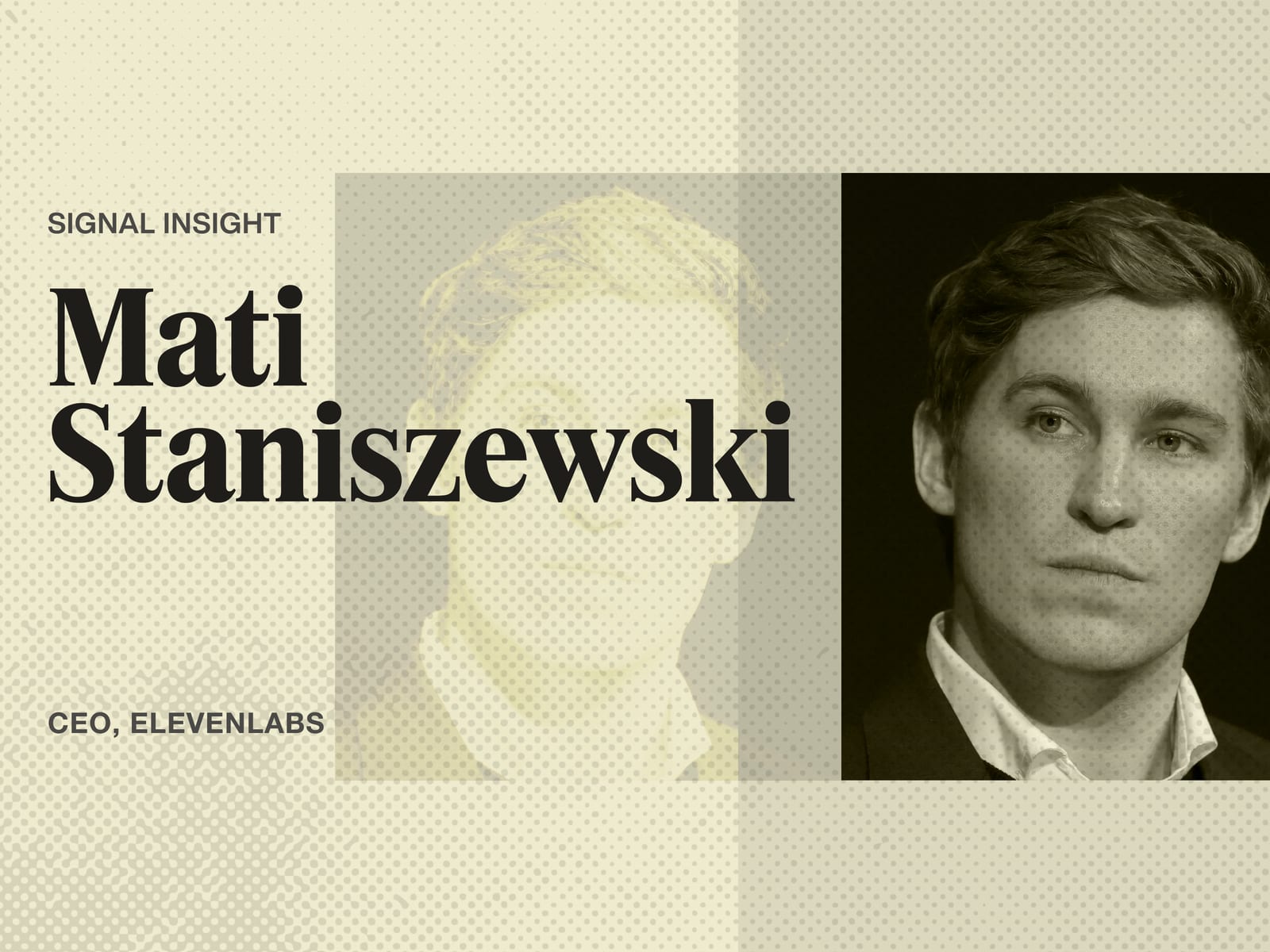
ElevenLabs completed a $300 million employee tender at a $22 billion valuation, and co-founder Mati Staniszews…
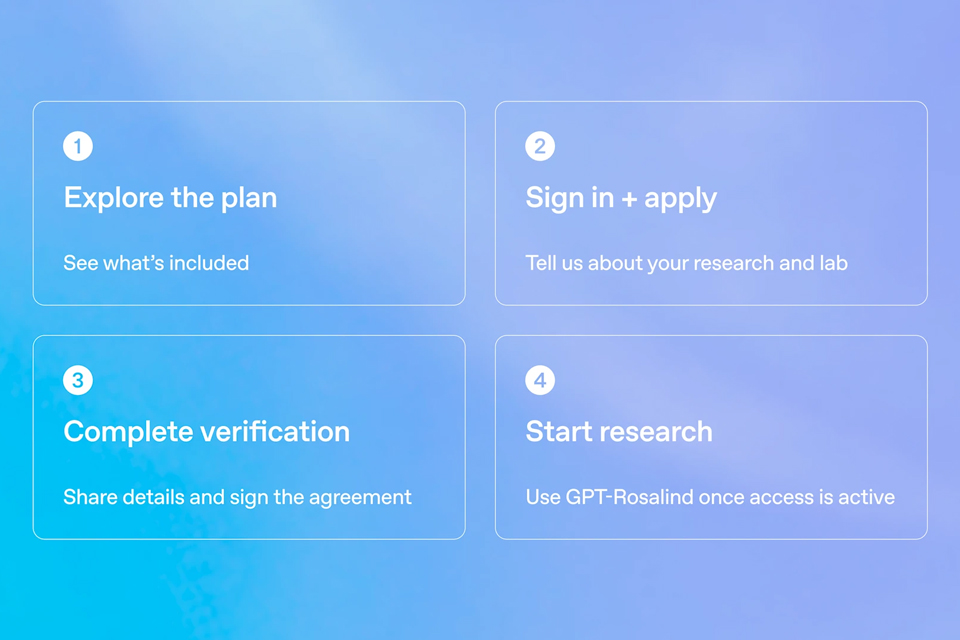
On October 15, OpenAI announced the Rosalind Academic Plan, giving approved US university labs free access to…
Neostellar Capital principal Evan Schlossman said CoreWeave's $103.7 billion in remaining performance obligati…

A Qiita article compared automated red-teaming methods for LLM apps — GCG, PAIR, and TAP — using mock implemen…


