Oracle has raised its annual dividend to $2 a share for the 12th straight year, even as the company pours massive capital into AI data center construction—spending roughly $55.7 billion on capital expenditures in fiscal 2026 and guiding for $70 billion in net cash outlay in fiscal 2027.
The dividend currently looks safe because Oracle's cloud and database revenues are growing strongly and the payout is well-covered by accounting earnings, but the company's longer-term ability to sustain the payout is now directly tied to the success of its AI infrastructure strategy and its capacity to manage a larger debt load as it borrows to fund the build-out.
What happened
Oracle's board raised its annual dividend to $2 a share (from $1.70), marking the 12th consecutive year of increases. The company most recently paid a $0.50 quarterly dividend on July 24. Meanwhile, Oracle spent about $55.7 billion on capital expenditures in fiscal 2026 (above its $50 billion target) and is guiding for roughly $70 billion of net cash outlay in fiscal 2027, plus another $20 billion to $25 billion funded by partners, pushing free cash flow to around negative $23.7 billion.
Why it matters
The dividend looks reasonably safe today because Oracle's cloud infrastructure and database revenues are growing, its remaining performance obligations have surged into the hundreds of billions of dollars, and the payout ratio sits in the mid-30% range with dividend coverage around 4 times — all suggesting the payout is supported by accounting earnings. However, the company's longer-term dividend viability is now tied directly to how well its massive AI infrastructure bet plays out. Oracle is borrowing heavily (planning to raise $40 billion to $50 billion through new debt and equity) to fund AI data center construction, creating execution and balance-sheet risks.
What to watch
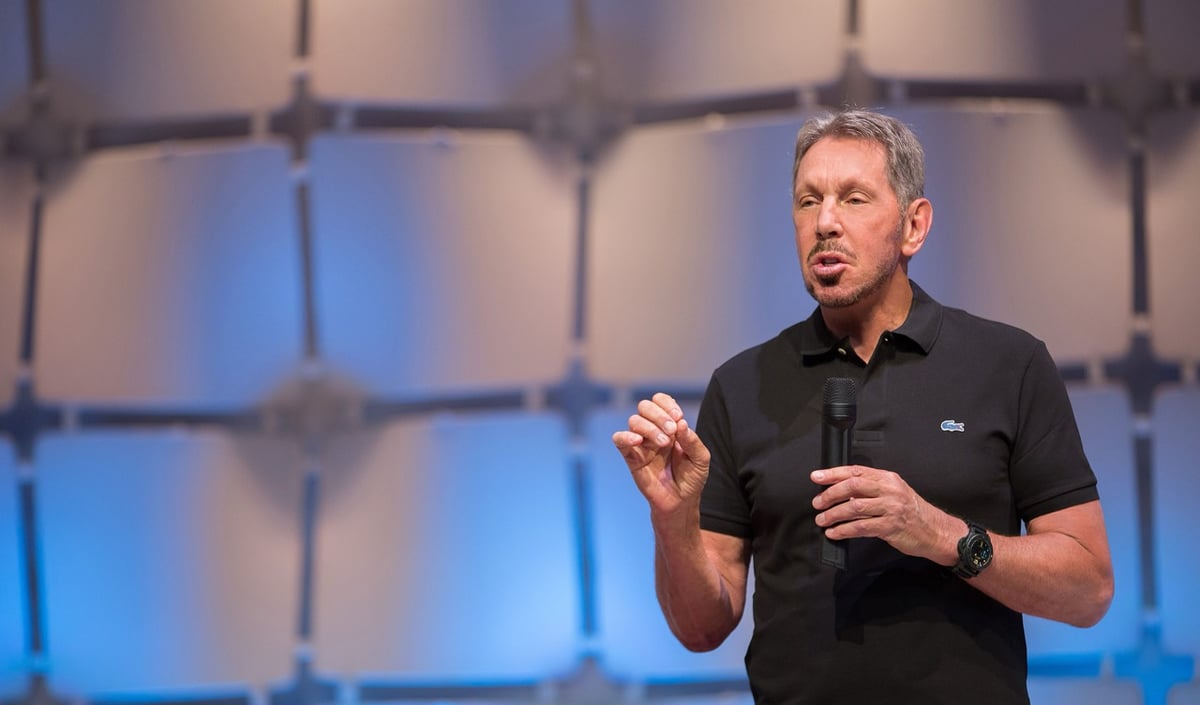
Cutting the dividend would send a harsh signal to the market and to Chief Technology Officer Larry Ellison, who collects roughly $2.3 billion annually on a stake of about 1.16 billion shares. The payout's safety depends on Oracle's ability to convert its backlog into real cloud revenue, manage its growing debt load, and navigate customer concentration risks (including reliance on OpenAI contracts).
Ask the AI about this article →
Oracle's dividend story has become inseparable from its AI strategy. For twelve consecutive years, the board has increased the payout, signaling confidence in the business and keeping Chief Technology Officer Larry Ellison—who holds about 1.16 billion shares—well-compensated in cash. The dividend's current safety rests on a solid accounting foundation: cloud infrastructure and database revenues are growing quickly, remaining performance obligations have swelled into the hundreds of billions, and the payout ratio remains modest at mid-30% range with coverage around 4 times earnings. However, the company's free cash flow has turned sharply negative (around negative $23.7 billion) as it executes one of the tech sector's most aggressive AI infrastructure build-outs.
The tension is real but manageable in the near term. Oracle spent about $55.7 billion on capital expenditures in fiscal 2026, exceeding its $50 billion target, and plans roughly $70 billion of net cash outlay in fiscal 2027 with another $20 billion to $25 billion funded by partners. To fund this construction, management has signaled plans to raise $40 billion to $50 billion through new debt and equity issuance. In this context, the $2 annual dividend—though small relative to Oracle's business scale—becomes a litmus test of management's confidence. Cutting it would send a damaging signal to both the market and to Ellison personally. The dividend's viability over the next few years hinges on Oracle's ability to convert its large backlog into real cloud revenue, execute its AI contracts effectively, manage customer concentration (particularly around OpenAI exposure), and keep its expanding debt load sustainable.
For example, today's edition would include:
AI-summarized, only the topics you pick — one digest a day via Email, Slack, or Discord.
Free · takes 30 seconds · unsubscribe anytimeWhat is AIToday? →
Ask AI anything about this article. Q&As are published on this page for other readers too.
Visko raised $10 million in pre-seed funding from Llama Ventures and opened public access to its first foundat…

U.S. markets ended August higher, with the S&P 500 up 2.6% and the Nasdaq up 3.9%

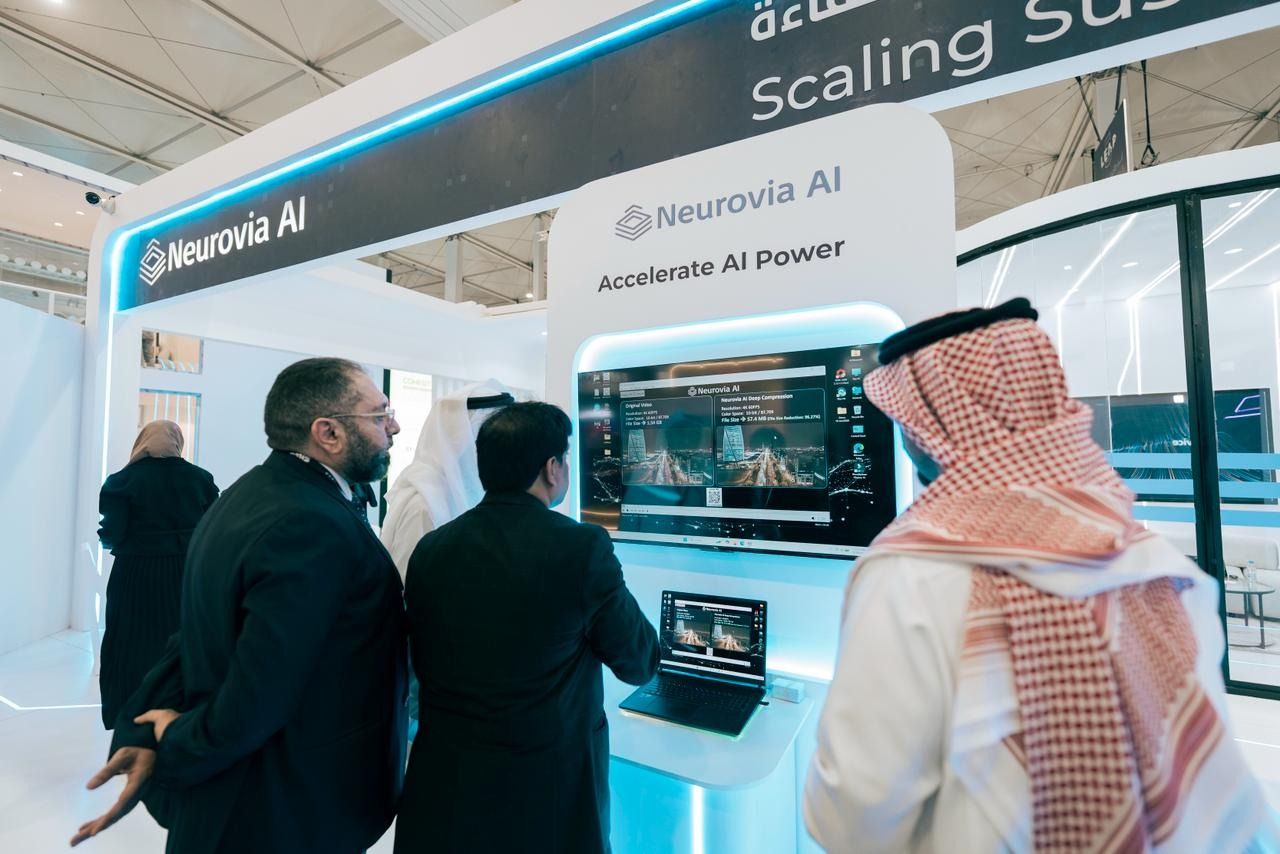
Neurovia AI, an Abu Dhabi-based company, is pitching Saudi security agencies software that it says can compres…
AI company Runway has unveiled Solaris, the first model in a new category it calls "Interface World Models." I…

John Deere introduced JD, a conversational AI tool that lets farmers ask open-ended questions about their hist…
Nvidia CEO Jensen Huang said on Fox Business that AI is creating 'hundreds of thousands' of jobs, including in…