What happened
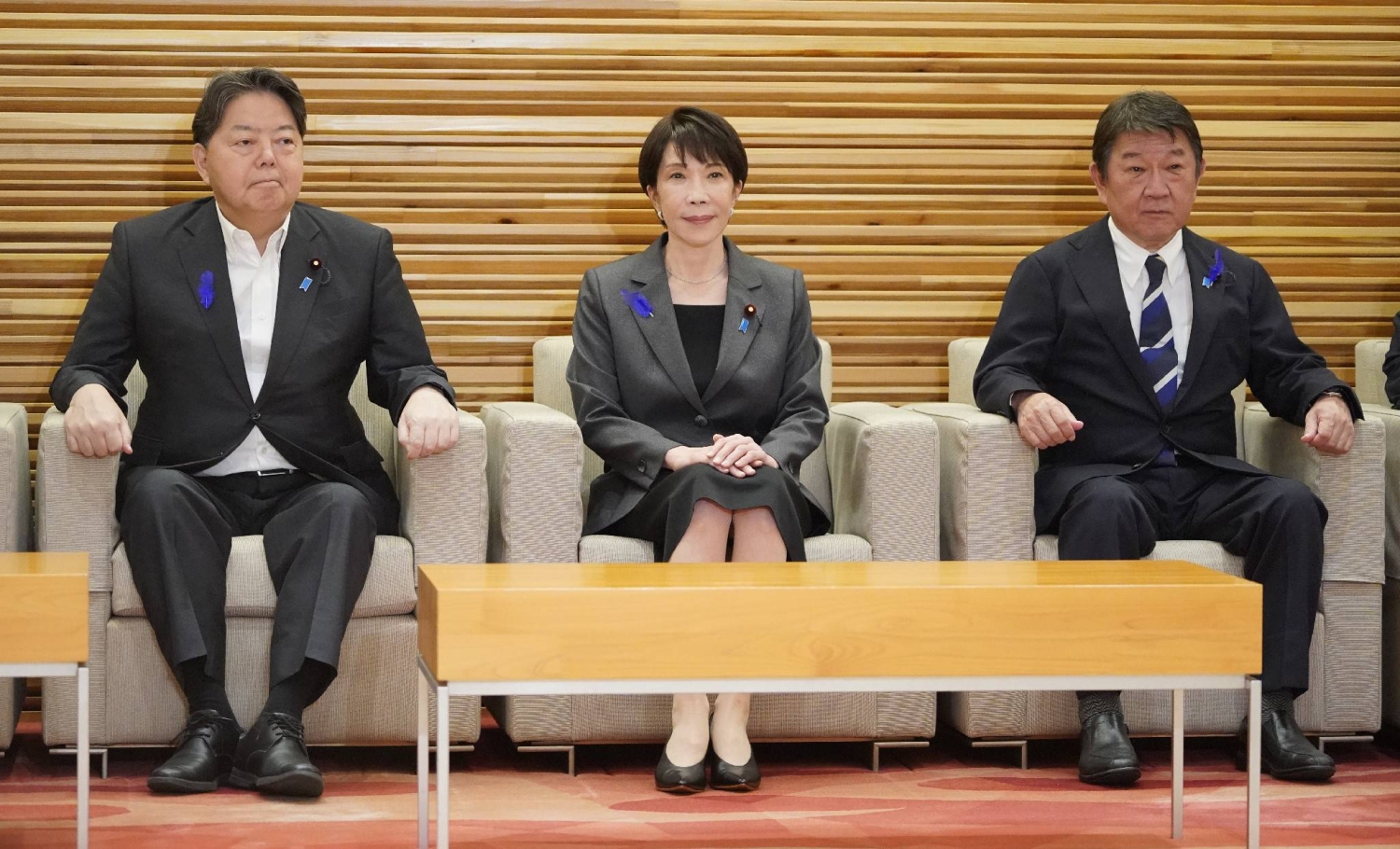
Japan's government adopted revised AI policy guidelines at a Cabinet meeting on Tuesday, less than a year after compiling the original guidelines in December. The revision emphasizes strengthening defenses against cyberattacks targeting AI systems and calls for closer collaboration with foreign governments and AI companies to boost Japan's AI Safety Institute.
Why it matters
The revision reflects growing concern that advancing AI capabilities create serious cybersecurity risks. Japan is also signaling a strategic pivot toward reducing dependence on specific foreign countries or companies for AI, and aims to develop domestic AI solutions suited to Japan's own challenges — a shift that may shape how Japanese businesses source and deploy AI technology.
What to watch
The guidelines highlight emerging priorities including vertical AI (specialized for specific sectors), physical AI (for robotics control), and a commitment to study how humans and AI should divide responsibilities — signaling where Japan plans to invest and innovate in AI going forward.
Summaries like this, in your inbox every morning.
Japan's rapid AI policy revision signals a strategic recalibration in response to two concurrent pressures: accelerating global AI innovation and mounting cybersecurity risks. The original guidelines, issued only in December, have become outdated faster than anticipated — driven partly by high-profile product launches like Anthropic's Claude Mythos — forcing the government to address emerging threat vectors and competitive dynamics. The emphasis on strengthening the AI Safety Institute through international collaboration reflects Japan's recognition that cybersecurity cannot be a domestic-only effort, but the simultaneous push to reduce dependence on foreign AI providers and develop domestic solutions suggests the government is hedging its bets: collaborate on security, but build autonomous capability at home.
The guidelines also broaden the policy frame beyond large language models to include vertical (sector-specific) and physical (robotics-controlling) AI, indicating that Japan's vision extends beyond competing in general-purpose AI toward capturing value in specialized and embodied AI systems. The focus on studying the human-AI division of roles and protecting educational environments from capability atrophy suggests policymakers are grappling with structural societal change — a signal that AI adoption in Japan may soon move from hype to operational reality, requiring new frameworks for workforce adaptation.
Pick your industry and the AI tools you use, and get news related to your work every day.
Free · 30 seconds with Google · unsubscribe anytimeWhat is AIToday? →
Ask AI anything about this article. The AI reads this article, earlier AIToday articles, and Wikipedia, and cites its sources. Q&As are published on this page for other readers too.
Chunghwa Telecom president Rong-shy Lin said the shift from conversational AI to autonomous AI agents is resha…
CoreWeave fell 5% in premarket trading Friday and was on track to finish the week down 15%, after rebounding f…

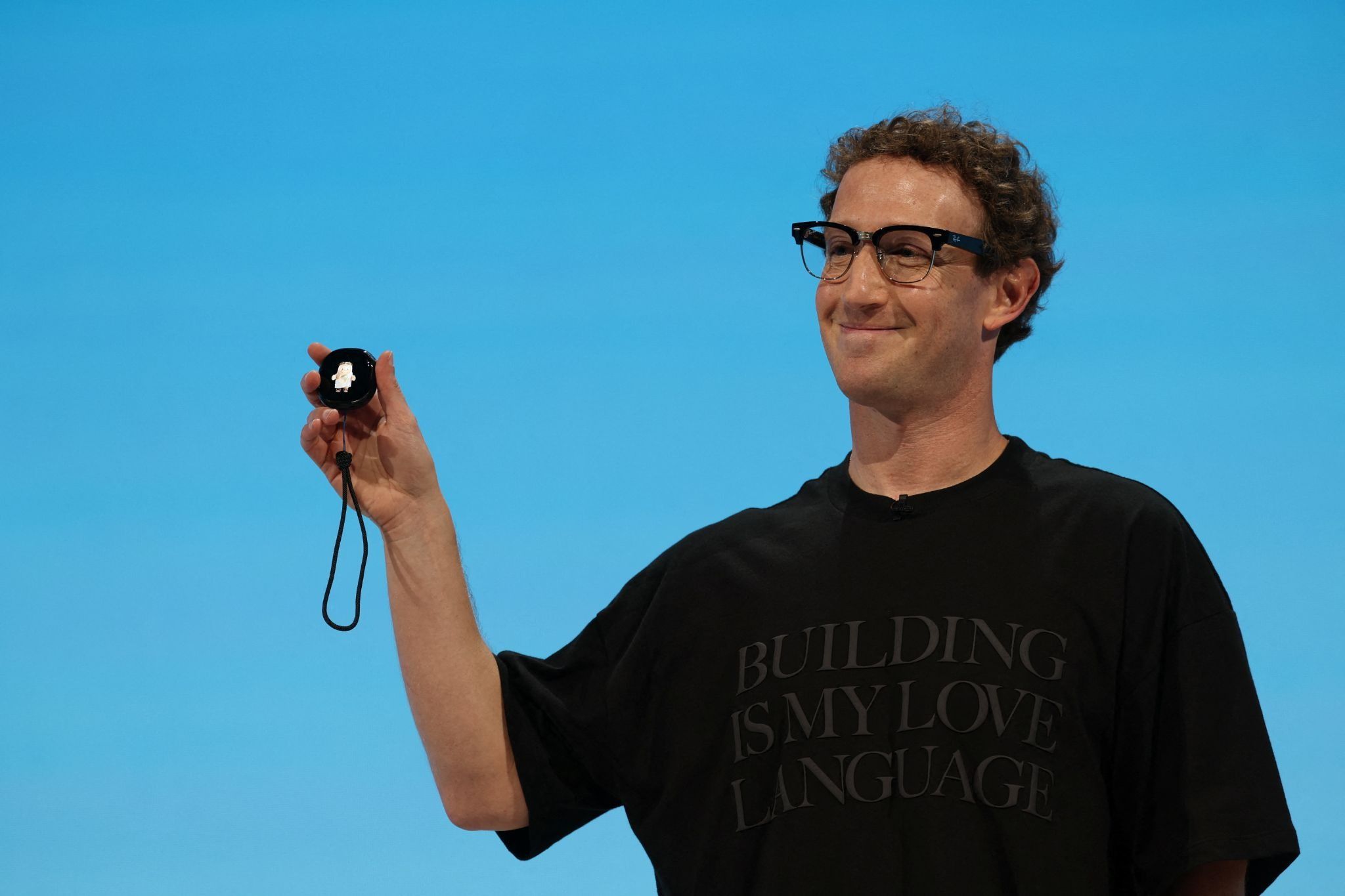
Apple and Meta said they would jointly release a new open-weight AI model designed to run on high-end Macs, ai…
Investors put $38.5 billion into Asian startups in Q3, per Crunchbase data

A writer and entrepreneur opened his daily to-do list and found 156 items, and concluded that an AI assistant…

A longtime Anthropic investor told Fortune he expects shares priced around $1.8 trillion, below the company's…