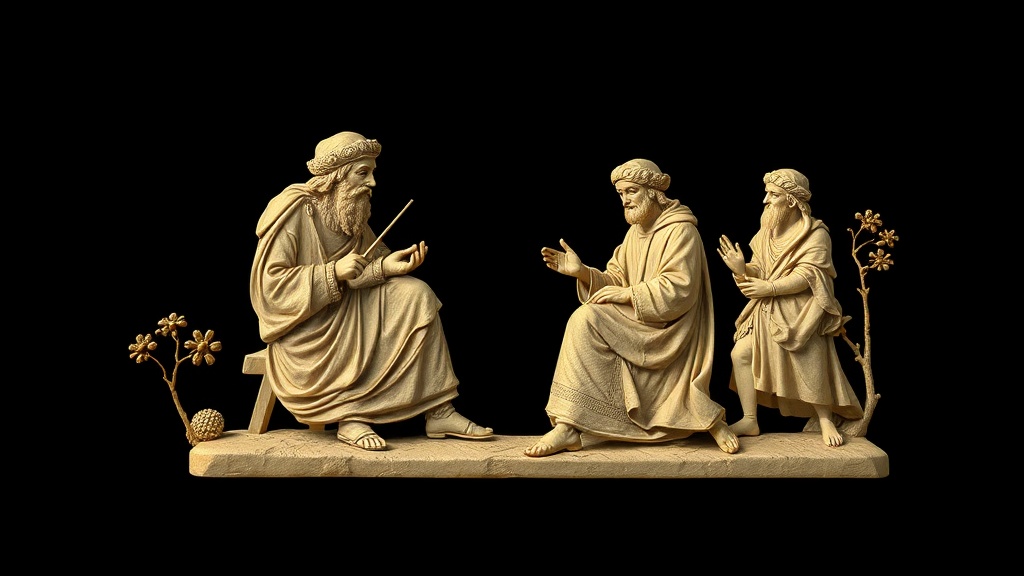
Framework tested seven image-to-3D methods (TripoSR, SF3D, SPAR3D, TRELLIS, Wonder3D, SAM 3D, Hi3DGen) on 69 manuscript figures from two collections
Hi3DGen identified as best starting point, balancing topological quality with detailed surface geometry through normal bridging approach
Pipeline combines SAM segmentation, Hi3DGen mesh generation, expert refinement in ZBrush, and AI-assisted texturing for enhanced accuracy
Results reveal trade-off between volumetric expansion and geometric fidelity when reconstructing medieval miniatures
Processed case studies from Gothic illuminations in the Decretum Gratiani manuscript held at Vatican Library
Ask the AI about this article →
For example, today's edition would include:
AI-summarized, only the topics you pick — one digest a day via Email, Slack, or Discord.
Free · takes 30 seconds · unsubscribe anytimeWhat is AIToday? →
Ask AI anything about this article. Q&As are published on this page for other readers too.

