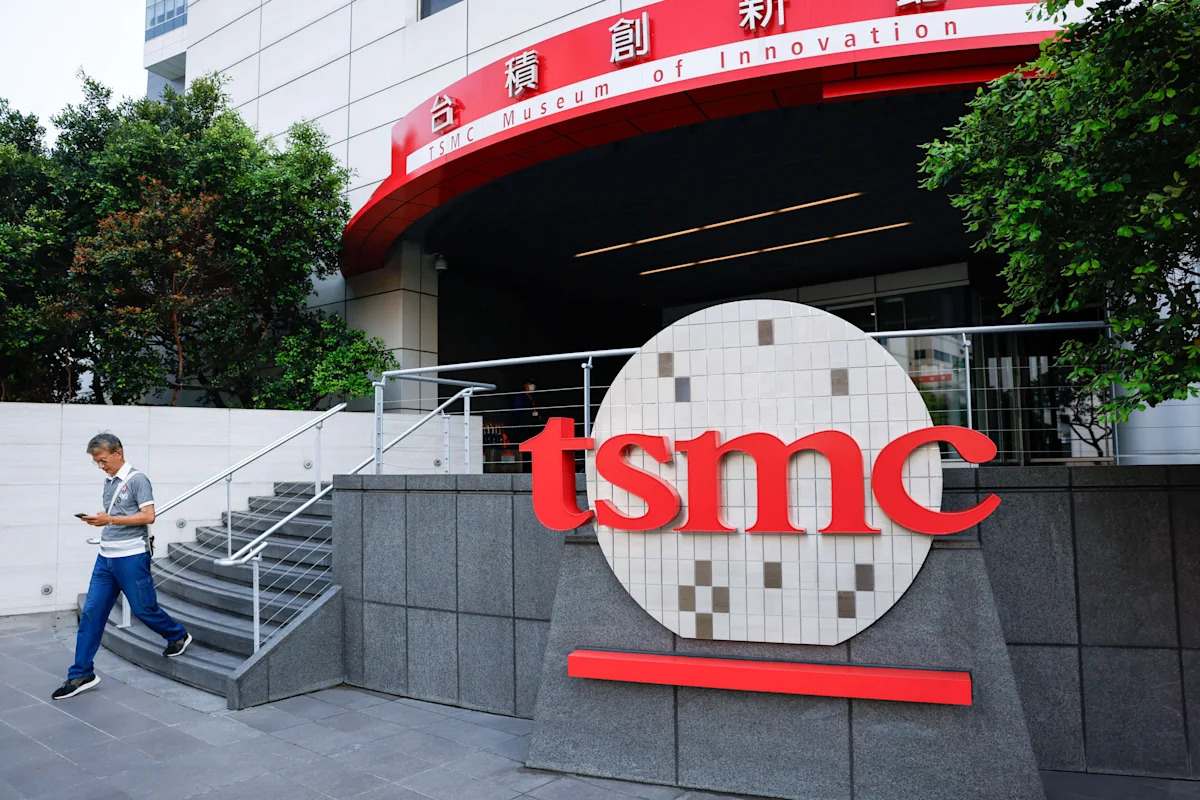
Tech stocks fell on Monday as investors grew more skeptical about artificial intelligence spending and profitability timelines, particularly whether major tech companies will see returns from massive AI infrastructure investments and when that cash will flow back to them. Meta announced new AI revenue streams, including a cloud business selling AI compute, which lifted its stock 6% on Friday but fell Monday. Taiwan Semiconductor Manufacturing Company's quarterly results this Thursday could signal investor confidence in AI demand.
Summaries like this, in your inbox every morning.
Sign up free →What happened
Tech stocks declined on Monday amid broader market weakness driven by US-Iran tensions and renewed debate over AI profitability. Investors are questioning not only whether hyperscalers will generate strong returns from AI investments, but when those returns will materialize. Meta announced new revenue streams including a cloud business selling AI compute and introduced its Muse Spark 1.1 AI model, which boosted its stock nearly 6% on Friday, but shares fell Monday morning.
Why it matters
The concern centers on timing — experts have warned that delayed profits from massive AI infrastructure buildouts could create risks for the broader market. For investors and businesses tracking AI investments, this signals growing scrutiny over whether the enormous capital spending will deliver returns fast enough to justify the outlays, and when cash will actually flow back to the companies funding the build-out.
What to watch
Taiwan Semiconductor Manufacturing Company (TSMC), the world's largest chip foundry, reports quarterly results on Thursday. TSMC reported June revenue soared 68% year over year, and any surprise in AI demand could prove a catalyst for shares of its customers, including Nvidia.
The tech sector faces a critical inflection point as investors shift from enthusiasm about artificial intelligence investments to skepticism about execution and returns. While companies like Meta have moved to prove AI spending will generate revenue — through cloud services and new AI products — the underlying market concern is temporal: not whether hyperscalers will ultimately profit from AI, but when those profits will arrive. This timing uncertainty is heightened by warnings from some experts that delayed returns pose broader market risk, suggesting that confidence in the AI narrative now hinges on demonstrable near-term cashflows rather than long-term potential.
Taiwan Semiconductor Manufacturing Company's earnings report this week carries outsized importance in this context. As the world's largest chip foundry and a critical supplier to Nvidia and other AI customers, TSMC's results will offer concrete evidence of AI demand strength. The company's June revenue already signaled robust demand with 68% year-over-year growth, but any divergence between expectations and actual results — in either direction — could shift investor sentiment across the entire AI supply chain and among the hyperscaler customers that depend on its chips.
No discussion yet for this article
Get curated AI news from 200+ sources delivered daily to your inbox. Free to use.
Get Started FreeFree · takes 30 seconds · unsubscribe anytime
1 minute a day. The AI essentials.
200+ sources · Email / LINE / Slack
