何が起きたか
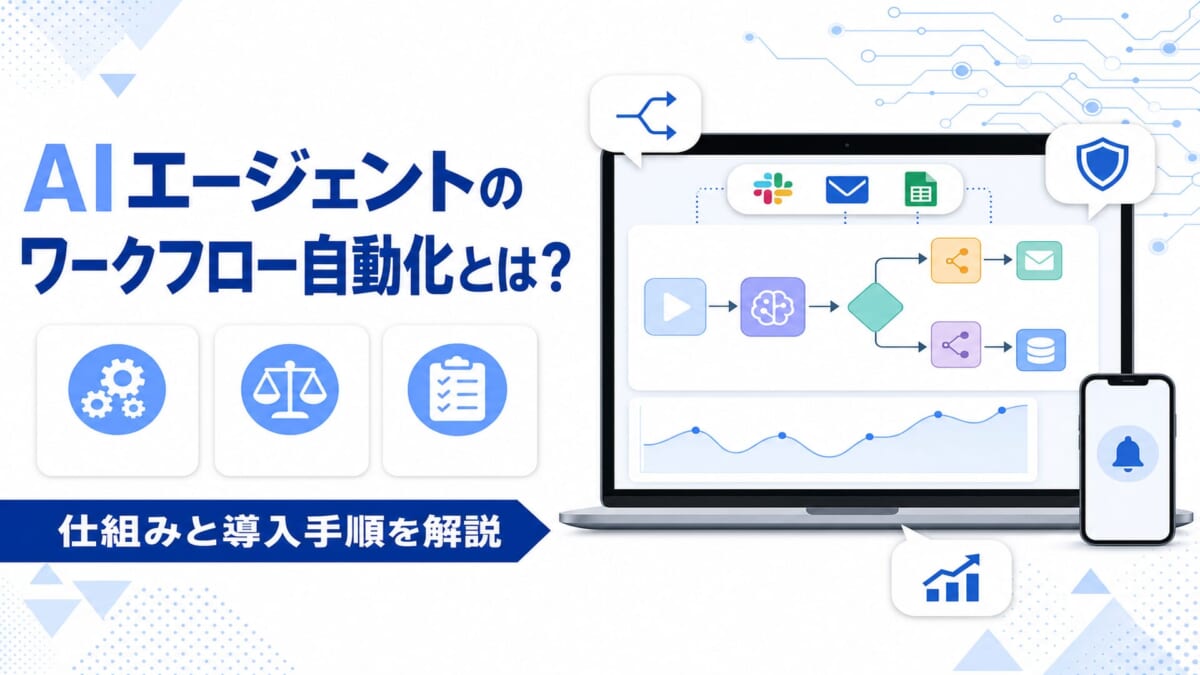
AIエージェントによるワークフロー自動化が実用段階に入っています。従来のRPA(自動化ツール)では対応できなかった、文章の解釈や条件判断が必要な業務まで自動化できるようになりました。京セラコミュニケーションシステムが2025年10月からn8nを導入、ヤマシタが「ヤマシタAI段取りコーチ」で営業育成を自動化するなど、複数企業が実装を進めています。
なぜ重要か
これまで人手に頼らざるを得なかった判断業務(問い合わせ内容の緊急度判断、契約書の条項確認など)がAIに任せられるようになります。複数ツール(メール、Slack、スプレッドシート)をまたいだ手作業の受け渡しが自動化され、担当者ごとのばらつきも減ります。ヤマシタの事例では育成対象者の業務効率が約60%改善しており、企業の生産性向上に直結する可能性があります。
注目点
ツール選択が重要です。非エンジニアむけはZapierやMake、既存システムとの柔軟な連携が必要な場合はDifyやn8nが向いています。導入時は金額が大きい処理や契約判断など影響範囲の大きい工程には、処理前に人の確認ステップを組み込むことが推奨されています。
Summaries like this, in your inbox every morning.
The shift from rule-based automation (RPA) to AI-driven workflow automation reflects a fundamental change in what businesses can delegate to software. Traditional RPA tools could only replay recorded sequences of screen clicks, making them suitable for high-volume, repetitive tasks with fixed logic. AI agents, by contrast, can read and interpret natural language, make context-sensitive decisions, and coordinate across multiple systems without human intervention between steps—capabilities that open automation to judgment-heavy work like customer inquiry routing, document review, and mentoring feedback.
Early implementations demonstrate tangible gains: Yamashita's 60% efficiency improvement in sales coaching, achieved by having an AI agent conduct routine weekly reviews while humans focus on edge cases, shows that human–AI collaboration (rather than full automation) can meaningfully boost productivity. Both Yamashita and Kyocera's adoption choices—no-code platforms like Dify and n8n that don't require developers—signal that technical barriers to entry are falling. This may accelerate adoption across mid-market enterprises that previously lacked the engineering resources to build custom automation.
However, the literature emphasizes a critical implementation discipline: because AI agents can propagate errors through downstream systems if left entirely unchecked, leading practice is to insert human verification gates before high-stakes decisions (large financial transactions, contract terms). This human-in-the-loop approach balances the productivity gains of automation against the risk that misclassified data could spread widely before detection.
Pick your industry and the AI tools you use, and get news related to your work every day.
Free · 30 seconds with Google · unsubscribe anytimeWhat is AIToday? →
Ask AI anything about this article. The AI reads this article, earlier AIToday articles, and Wikipedia, and cites its sources. Q&As are published on this page for other readers too.

