AIToday

Japan passes bill to protect crop varieties from unauthorized overseas sales

Japan Times Tech2h ago
Japan passes bill to protect crop varieties from unauthorized overseas sales

Key takeaway

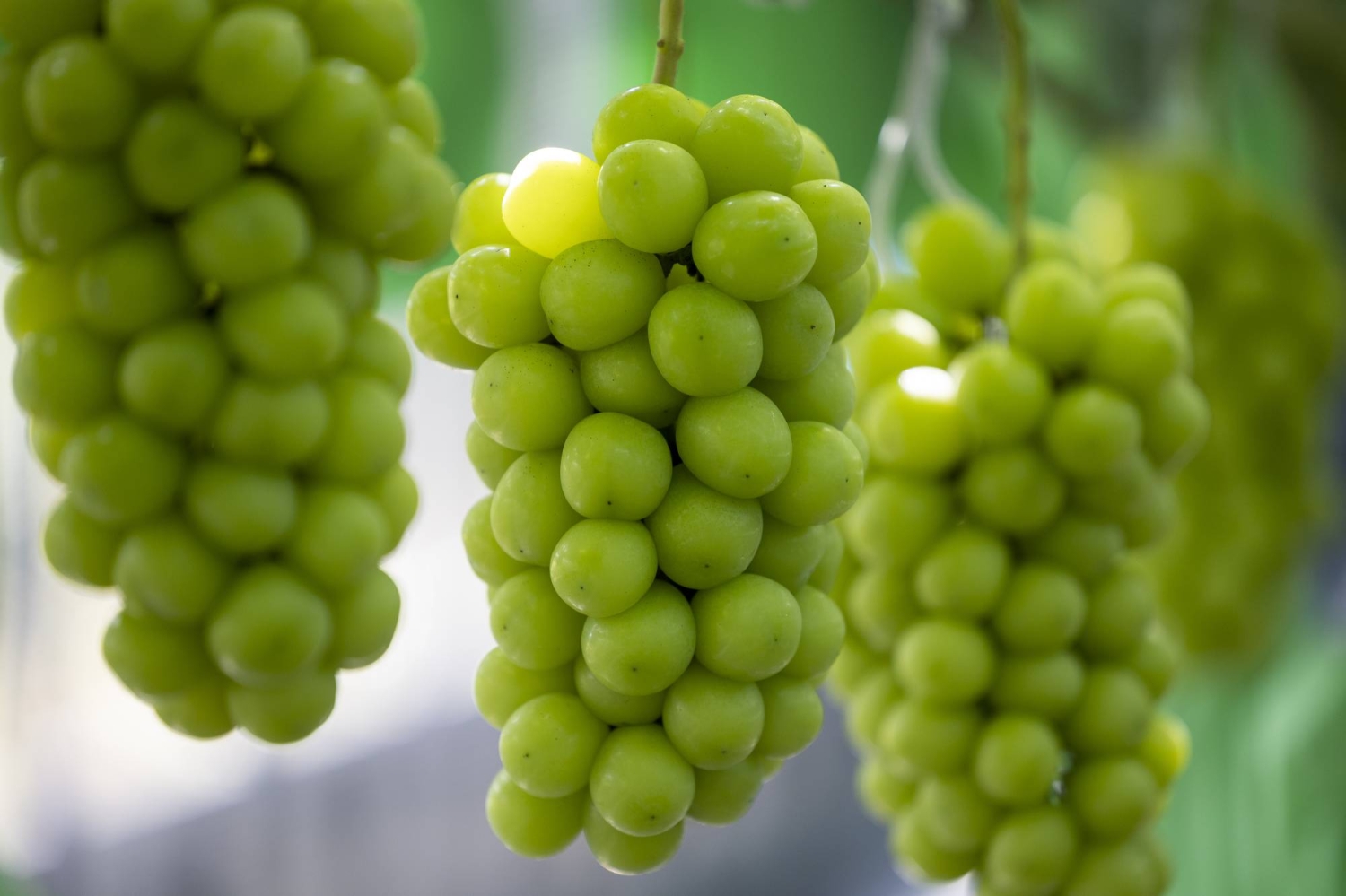
Japan has passed legislation to prevent unauthorized overseas sales of domestically developed agricultural products, addressing a long-standing problem where crops could be exported and sold without compensation to their developers during the three-to-six-year registration process. The bill extends breeder rights protection to 40 years for fruit trees and 35 years for other crops, and allows developers to seek injunctions against unauthorized exports before formal registration is complete. The agriculture ministry estimates that Shine Muscat grapes alone have cost developers almost ¥20 billion ($123 million(約200億円)) annually in lost royalties.

Summaries like this, in your inbox every morning.

Sign up free →

3 Key Points

  • What happened

    Japan's parliament enacted a bill on Friday that revises plant variety protection and seed law, allowing agricultural developers to demand an injunction against unauthorized exports even before acquiring formal breeder rights — a process that takes three to six years. The revision also extends breeder rights duration by 10 years, to 40 years for fruit trees and 35 years for other crops.

  • Why it matters

    Japanese-developed fruits like Shine Muscat grapes have been sold overseas without authorization during the registration screening period, costing developers royalties. According to the agriculture ministry, Shine Muscat alone caused losses of almost ¥20 billion ($123 million(約200億円)) a year in unpaid royalties. The new law closes this gap and protects domestic breeders' profits.

  • What to watch

    The agriculture ministry plans to launch by the end of next month an organization dedicated to protecting breeder rights, signaling active enforcement of the new rules.

In Depth

Japan's parliament enacted a bill on Friday to revise the plant variety protection and seed law, aiming to prevent the unauthorized overseas sales of domestically developed agricultural products. The revision addresses a gap that has cost Japanese breeders significant royalties: the screening for breeder rights registration typically takes three to six years, and during that window newly developed fruits and other crops were frequently exported and sold without authorization or compensation to the developers.

Under the new law, agricultural product developers can now demand an injunction against unauthorized exports even before they have acquired the formal breeder rights that grant exclusive rights to sell new crop varieties. Additionally, the duration of breeder rights protection will be extended by 10 years — to 40 years for fruit trees and 35 years for other crops. These changes are intended to better protect the rights related to Japan-developed fruits that are popular overseas and prevent a loss of profit to breeders.

The economic impact of the status quo has been substantial. According to an estimate by the agriculture ministry, Shine Muscat grapes sold overseas caused losses of almost ¥20 billion ($123 million(約200億円)) a year in royalties that should have been paid to the developers. These premium Japanese varieties command high prices in international markets, yet without legal protection during the registration period, breeders received no compensation for their innovation.

To enforce the new rules, the agriculture ministry plans to launch by the end of next month an organization dedicated to protecting breeder rights, signaling an active commitment to prevent future unauthorized sales and ensure developers receive proper compensation.

Context & Analysis

Japan's agricultural sector has faced a structural vulnerability: the three-to-six-year registration process for plant variety protection left newly developed crops exposed to unauthorized overseas sales during a critical window. High-value varieties like Shine Muscat grapes became targets for export without compensation to their developers, creating a direct loss of royalties. The agriculture ministry's estimate of almost ¥20 billion ($123 million(約200億円)) in annual losses from Shine Muscat alone underscores the economic stakes — these Japanese-developed varieties command premium prices globally, yet breeders saw no return during the approval phase.

The revision tackles the problem on two fronts: procedurally, by allowing injunctions before registration is complete, and structurally, by extending the duration of breeder rights. The 10-year extension (bringing fruit-tree rights to 40 years and other crops to 35 years) strengthens long-term incentives for domestic innovation in agriculture. The agriculture ministry's plan to establish a dedicated enforcement organization by month-end signals intent to move quickly from law to practice, making the measure more than symbolic legislation.

FAQ

What protection does the new law give to agricultural developers?
Developers can now demand an injunction against unauthorized exports even before they acquire breeder rights through formal registration. Breeder rights duration has also been extended by 10 years — to 40 years for fruit trees and 35 years for other crops.
Why was this law needed?
The screening for breeder rights registration takes three to six years, during which newly developed crops were often sold overseas without authorization or royalty payments. Shine Muscat grapes alone caused losses of almost ¥20 billion ($123 million(約200億円)) a year in unpaid royalties to developers.
When will enforcement begin?
The agriculture ministry plans to launch by the end of next month an organization to protect breeder rights.

Get AI news like this every morning

AI-summarized, only the topics you pick — one digest a day via Email, Slack, or Discord.

Free · takes 30 seconds · unsubscribe anytime

Discussion

No discussion yet for this article

Stay ahead with AI news

Get curated AI news from 200+ sources delivered daily to your inbox. Free to use.

Get Started Free

Free · takes 30 seconds · unsubscribe anytime

1 minute a day. The AI essentials.

200+ sources · Email / LINE / Slack

Get it free →

