What happened
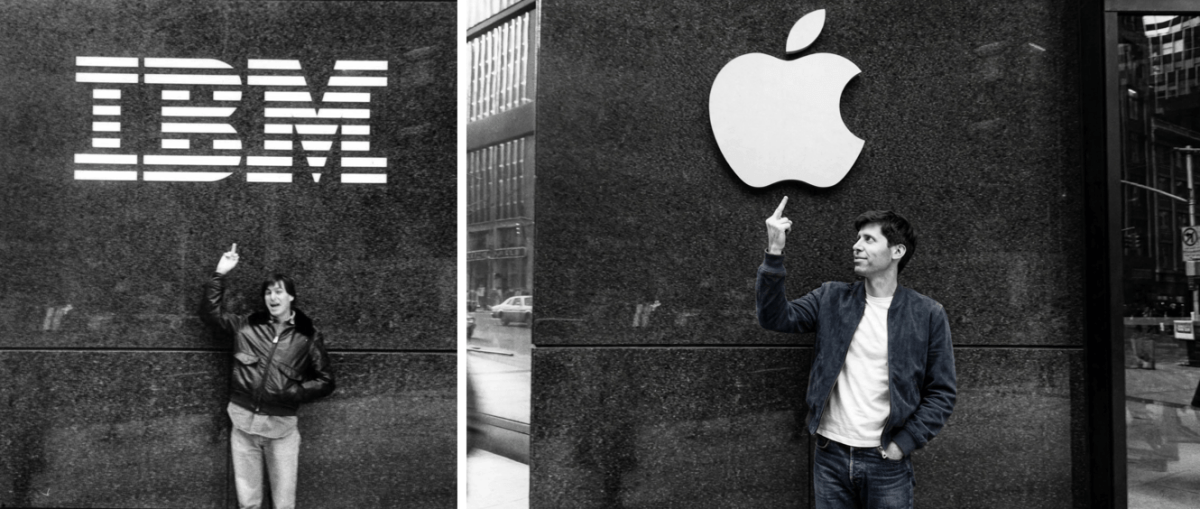
IBM experienced its worst trading day in its 115-year history as a public company, driven by concerns that artificial intelligence will erode its mainframe business—the product that has defined the company and retained its customer base for decades.
Why it matters
IBM's real risk is not just lost sales this quarter, but permanent customer defection; AI's ability to port the essential backend programs that run on aging mainframe technology means those missed sales may never return, threatening a business that has anchored the company's revenue for half a century.
What to watch
Whether IBM's mainframe customer base—largely unchanged from 50 years ago—begins to migrate to AI-powered alternatives for the critical backend systems that currently depend on mainframes.
Summaries like this, in your inbox every morning.
IBM's stock collapse reflects a deeper existential question about the company's core franchise. Mainframes have been the bedrock of IBM's business for generations—so reliable and entrenched that the customer base has barely changed in 50 years. However, the advent of AI introduces a technology capable of replicating the essential backend functions that have kept those customers locked into mainframe ecosystems. This is not merely a cyclical sales slowdown that can be recovered; it represents a structural shift in which the technological moat that protected IBM's installed base is being undermined. While IBM's management initially attributed the weakness to AI spending diverting capital budgets elsewhere, the deeper concern is that AI will enable the permanent porting of legacy systems away from mainframes, breaking a relationship that has endured for decades.
Pick your industry and the AI tools you use, and get news related to your work every day.
Free · 30 seconds with Google · unsubscribe anytimeWhat is AIToday? →
Ask AI anything about this article. The AI reads this article, earlier AIToday articles, and Wikipedia, and cites its sources. Q&As are published on this page for other readers too.
CoreWeave fell 5% in premarket trading Friday and was on track to finish the week down 15%, after rebounding f…
A longtime Anthropic investor told Fortune he expects shares priced around $1.8 trillion, below the company's…

In Q2, billionaires or their funds sold six 'Magnificent Seven' AI stocks
Nvidia was rising early Friday, even as the wider chip sector kept falling, Barron's reported
ElevenLabs completed a $300 million employee tender at a $22 billion valuation, and co-founder Mati Staniszews…

On October 15, OpenAI announced the Rosalind Academic Plan, giving approved US university labs free access to…