Summaries like this, in your inbox every morning.
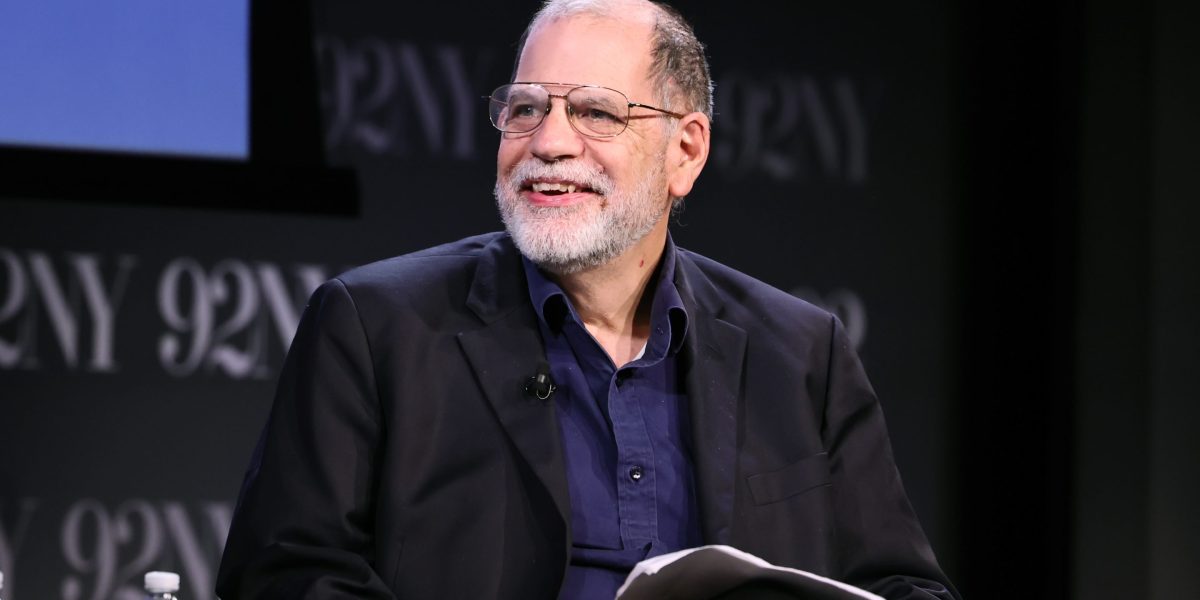
Sign up free →At the Sana AI summit at the New York Public Library in New York City, George Mason University economist Tyler Cowen argued that AI will not bring mass unemployment but will change most jobs, and that the real problem is the psychological, social, and institutional cost of adjustment.
Cowen identified Manhattan lawyers, strategy consultants, and finance partners as most at risk of status loss, while workers in the developing world and immigrants without prior access to elite institutions will be best positioned to adapt by taking initiative and learning how AI and agents work.
Cowen estimated that roughly 40% to 50% of U.S. GDP—government, higher education, healthcare, nonprofits—will be very slow to adjust, leading him to forecast AI lifting growth from 2% to 2.5% rather than the 20% or 40% some in Silicon Valley claim.
Cowen reallocated two-thirds of his own time toward mentoring, public speaking, and human-facing work, arguing that being physically present, interpersonally skilled, and human in ways AI cannot replicate will become premium skills in the AI economy.
AI-summarized, only the topics you pick — one digest a day via Email, Slack, or Discord.
Free · takes 30 seconds · unsubscribe anytime
No discussion yet for this article
Get curated AI news from 200+ sources delivered daily to your inbox. Free to use.
Get Started FreeFree · takes 30 seconds · unsubscribe anytime
1 minute a day. The AI essentials.
200+ sources · Email / LINE / Slack
