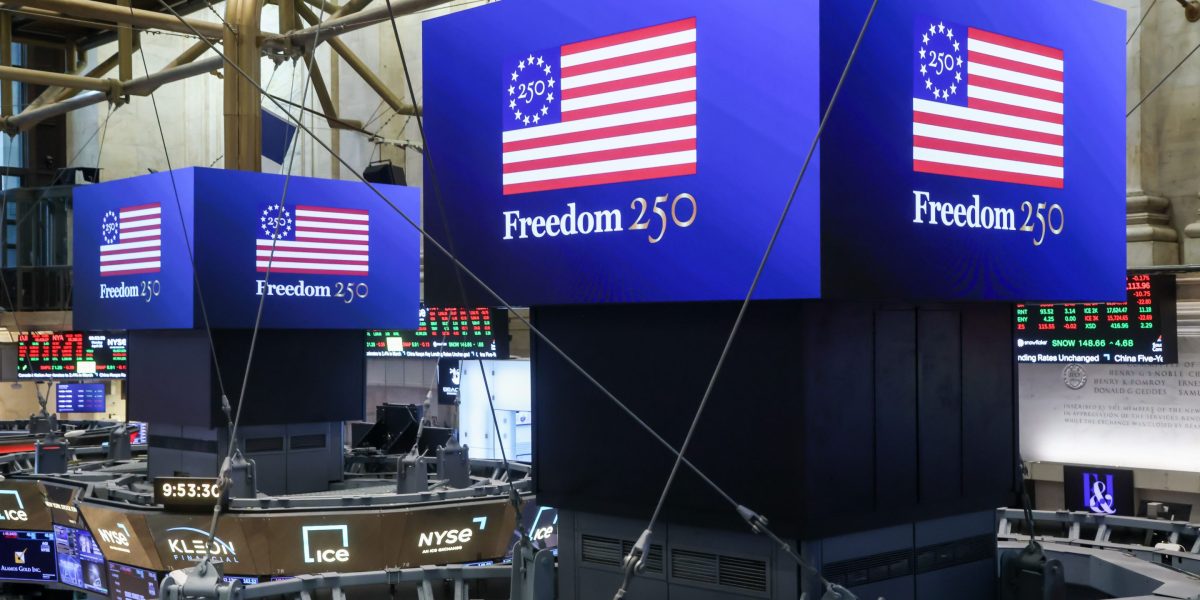
For 250 years, the U.S. has specialized in reshaping the machinery that connects science to the marketplace through successive institutional innovations: Jefferson's patent system democratized invention by inviting useful inventions from ordinary citizens with low filing fees and clear ownership rights; corporate research laboratories in the early 20th century (at General Electric, DuPont, and Bell Labs) insulated scientists from quarterly pressures and treated knowledge creation as a core corporate function; and public–private research partnerships like Vannevar Bush's wartime Office of Scientific Research and Development linked federal funding, academic talent, and industrial production lines.
Venture capital emerged as a structural solution to fund high-risk early-stage technologies. In 1946, Georges Doriot founded the American Research and Development Corporation (ARD) in Boston, raising $3.5 million from insurance companies, university endowments, and wealthy individuals. ARD introduced staged financing (releasing money in tranches as entrepreneurs met technical milestones), provided equity capital rather than loans, and treated managerial oversight as part of the investment. When regulations on publicly traded investment companies constrained ARD, investors created private limited partnerships (such as Greylock and Venrock in the 1960s, followed by Kleiner Perkins and Sequoia Capital in the 1970s), which could design stronger incentives and reinvest gains into subsequent funds.
The venture model's breakthrough came with Digital Equipment Corporation, whose minicomputers delivered a 500-fold return for ARD investors after its 1966 IPO. No other country replicated the U.S. venture model; Europe's fragmented capital markets and risk-averse funds have made it harder to match the American combination of flexible capital and entrepreneurial rewards, while China's state-guided venture funds prioritize strategic industrial objectives over open-ended experimentation.
Ask the AI about this article →
For example, today's edition would include:
AI-summarized, only the topics you pick — one digest a day via Email, Slack, or Discord.
Free · takes 30 seconds · unsubscribe anytimeWhat is AIToday? →
Ask AI anything about this article. Q&As are published on this page for other readers too.
Anthropic PBC debuted Claude Fable 5.1 and Claude Mythos 5.1, its most capable large language models to date

South Korea's copper clad laminate (CCL) exports surged 42% in the reported period, driven by strong demand fr…

Marvell's CTO stated that power and density bottlenecks are driving adoption of co-packaged optics (CPO) in AI…

Anthropic launched Claude Fable 5.1 and Mythos 5.1, its most capable AI models yet, with gains in agentic codi…

The Pentagon said on Monday it is adding military versions of ChatGPT and Grok to its secure AI platform GenAI…
OpenAI announced that its forthcoming AI model, Astra, is the first to reach its 'critical' cyber capabilities…