
Microsoft and Chevron's 20-year power deal for a West Texas data center marks AI competition moving to energy. It delivers 2.67 gigawatts of dedicated capacity.
Economists see potential antitrust issues over controlling critical inputs.
Regulators are watching cloud and AI infrastructure concentration.
What happened
Microsoft signed a 20-year power purchase agreement with Chevron's subsidiary Energy Forge One LLC to develop Project Kilby, a West Texas facility providing dedicated electricity to a Microsoft data center. The project will deliver 2.67 gigawatts of capacity from GE Vernova turbines and Solar Turbines, supporting a multibillion-dollar campus expected to add about 2 gigawatts of global data center capacity over five to seven years.
Why it matters
The deal marks a shift in AI competition from chips and cloud access to energy generation itself. Economists like Carl Shapiro and Fiona Scott Morton warn that controlling critical inputs, such as power, could raise rivals' costs and create chokepoints, echoing antitrust concerns from the Alcoa case about preempting future market capacity.
What to watch
Whether such dedicated power deals become a pattern of preemptive infrastructure commitments that lock up AI's essential inputs. Regulators, including the FTC and European and UK agencies, are already scrutinizing cloud and AI infrastructure control.
Ask the AI about this article →
The Microsoft–Chevron agreement is a concrete example of AI competition moving upstream from chips and cloud capacity to energy generation. By co-locating power generation with its data center, Microsoft aims to secure reliable, dispatchable electricity at a competitive cost, leveraging Permian Basin natural gas. This vertical integration into energy infrastructure could provide a strategic advantage as AI and cloud demand grow.
Economists have long warned that control over critical inputs can raise rivals' costs, a theory rooted in the Alcoa case. If dominant firms lock up scarce energy capacity or build so much dedicated infrastructure that rivals see no room to compete, antitrust concerns may arise. However, modern courts are reluctant to condemn capacity expansion without clear evidence of exclusionary conduct.
The deal also draws attention to a broader pattern: a small group of dominant firms has pledged vast sums to control data center capacity, cloud access, and AI compute, as noted in prior analyses of Oracle, OpenAI, and NVIDIA. Regulators are increasingly focused on whether these vertical arrangements create chokepoints that hinder competition.
For example, today's edition would include:
AI-summarized, only the topics you pick — one digest a day via Email, Slack, or Discord.
Free · takes 30 seconds · unsubscribe anytimeWhat is AIToday? →
Ask AI anything about this article. Q&As are published on this page for other readers too.
Cisco unveiled a new approach to its SIEM (security information and event management) platform, designed for t…

At IFA 2026 in Berlin, Nvidia and partners gave a first hands-on look at RTX Spark laptops and announced mini…

Home Depot is testing an AI tool designed to help shoppers locate products in its stores

Nvidia has set an October launch date for its RTX Spark AI PCs

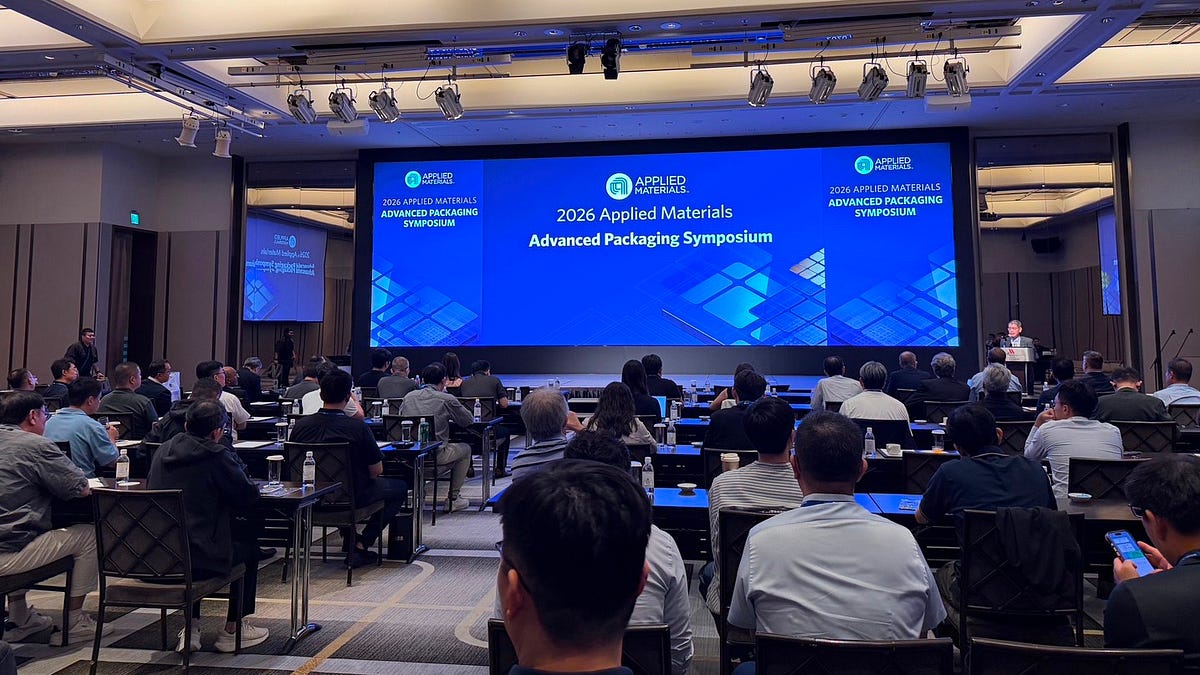
At the Applied Materials Advanced Packaging Symposium 2026, the company said AI performance can no longer be s…
Nvidia plans to buy open-weight AI platform Hugging Face for about US$13b, bringing platforms and infrastructu…