What happened
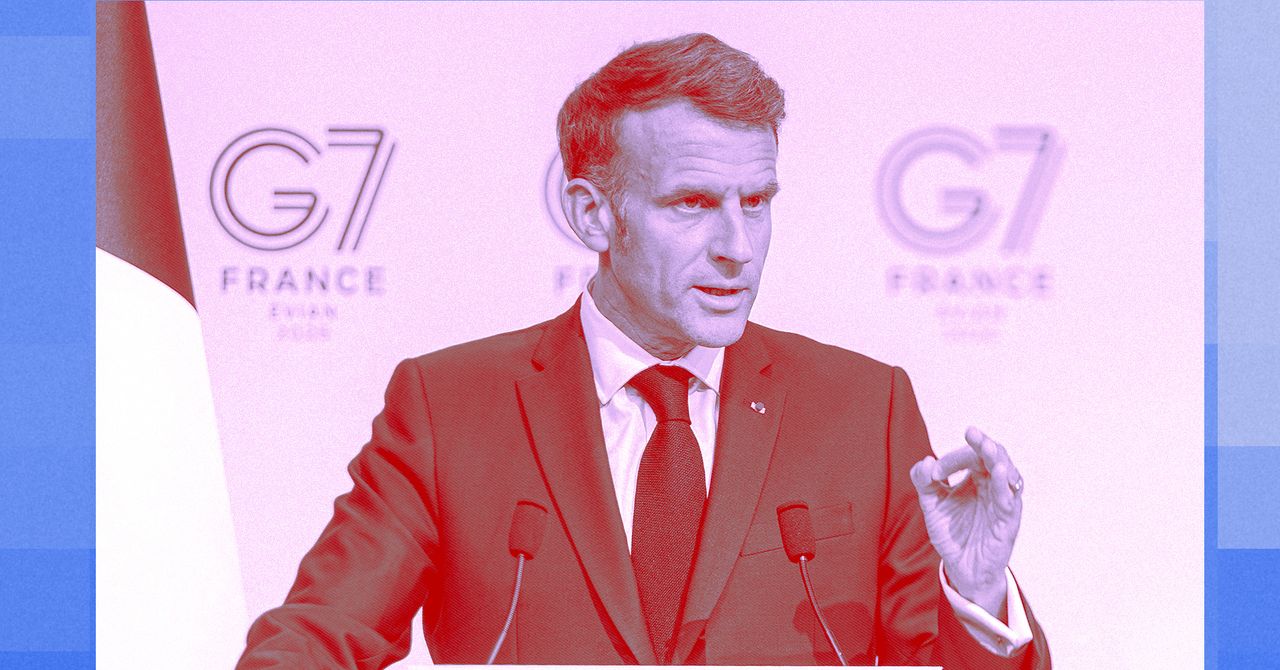
European leaders and tech executives are rallying around plans to build homegrown AI capability, citing concerns that the continent risks being locked into American AI systems. French President Emmanuel Macron announced that France has won pledges of over 100 billion euros in AI infrastructure, anchored by SoftBank's 75 billion-euro commitment to build data centers in France. Meanwhile, tech leaders like Cohere CEO Aiden Gomez are launching multinational partnerships—including efforts with German firm Aleph Alpha and Spain's Indra—to pool engineering and infrastructure resources for a "sovereign-first" approach.
Why it matters
Europe has historically struggled to compete with the US AI ecosystem; Anthropic's recent $65 billion(約10兆円) fund-raise was cited as exceeding the entire sum invested in European and UK AI startups last year. The Trump administration's recent attempt to impose strict export controls on Anthropic's Claude Fable model—even denying access to foreign nationals who helped develop it—demonstrated to European policymakers that reliance on American companies creates a strategic vulnerability. The policies have also triggered a talent flight; researchers report that European enrollment in US universities is down and that foreign scientists are reconsidering cushy US lab positions.
What to watch
The viability of Project Tapestry, a major initiative led by AI pioneer Yann LeCun to build a state-of-the-art foundation model through collaboration between governments and private industry. Success would require coordination among more than 20 nations and a shift in Europe's risk-averse mindset toward moonshot ambition—a challenge the continent has failed to meet in previous attempts to replicate Silicon Valley.
Summaries like this, in your inbox every morning.
Pick your industry and the AI tools you use, and get news related to your work every day.
Free · 30 seconds with Google · unsubscribe anytimeWhat is AIToday? →
Ask AI anything about this article. The AI reads this article, earlier AIToday articles, and Wikipedia, and cites its sources. Q&As are published on this page for other readers too.

