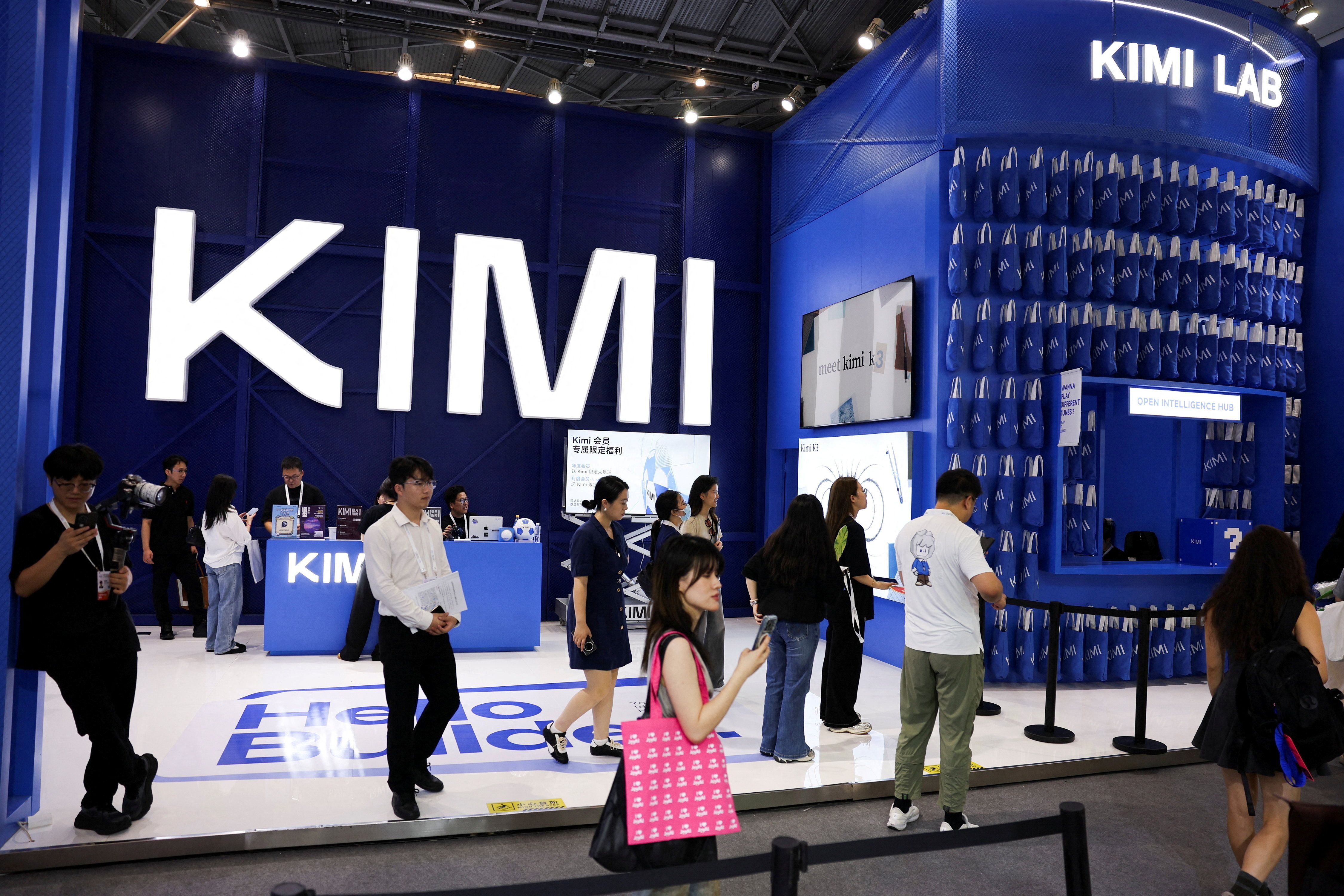
Chinese AI startup Moonshot has paused new subscriptions for its Kimi K3 model due to overwhelming demand that exceeded its computing capacity. The open-source model performs comparably to leading American AI systems, and its blockbuster release has prompted US officials to reconsider whether to cut off American access to Chinese AI models.
Summaries like this, in your inbox every morning.
Sign up free →What happened
Beijing-based Moonshot paused new subscriptions for its Kimi K3 open-source model after the release caused demand that strained the startup's computing power. The model has capabilities near those of top American systems.
Why it matters
The subscription pause highlights the infrastructure constraints Chinese tech firms face in delivering products globally. Moonshot's situation has revived discussion among American officials about whether to restrict US access to Chinese AI models.
What to watch
Moonshot is reportedly preparing for a Hong Kong IPO to capitalize on investor enthusiasm for Chinese AI.
Moonshot, a Beijing-based AI startup, has paused new subscriptions for its Kimi K3 model following a surge in demand that exceeded the company's computing capacity. The Kimi K3 is an open-source model with capabilities comparable to leading American AI systems, and its release triggered such strong interest that it overwhelmed Moonshot's infrastructure.
The pause underscores a structural challenge for Chinese tech firms: even when they develop competitive AI products, they face significant constraints in scaling compute power to meet global demand. While American AI companies have deep access to abundant GPU resources and cloud infrastructure, Chinese firms operating under export restrictions and domestic resource limitations find themselves unable to keep up with user demand, even for a blockbuster release.
The Kimi K3 launch has had a secondary effect: it has revived deliberations within Washington about whether to restrict US access to Chinese AI models altogether. According to reporting by Axios, American officials have weighed this move, suggesting that the strong performance of Chinese models like Kimi K3 has prompted policymakers to reconsider the competitive and security implications of allowing unrestricted US access.
Meanwhile, Moonshot is preparing for a Hong Kong IPO to capitalize on investor enthusiasm for Chinese AI—a sign that despite infrastructure constraints and geopolitical headwinds, the sector continues to attract capital and confidence from the investment community.
Moonshot's subscription pause reveals a core challenge for Chinese AI firms: while they can develop competitive models, they struggle to scale the computational infrastructure needed to serve global demand. The Kimi K3 release was significant enough to strain a well-funded startup's resources, suggesting that capability alone does not guarantee frictionless deployment at scale.
The timing also carries geopolitical weight. The article notes that American officials have considered restricting US access to Chinese AI models—a move that Kimi K3's strong performance and rapid adoption have now brought back into active conversation. For Moonshot, the IPO preparation in Hong Kong signals that despite these constraints, investor confidence in Chinese AI remains high enough to support a major capital raise.
AI-summarized, only the topics you pick — one digest a day via Email, Slack, or Discord.
Free · takes 30 seconds · unsubscribe anytime
No discussion yet for this article
Get curated AI news from 200+ sources delivered daily to your inbox. Free to use.
Get Started FreeFree · takes 30 seconds · unsubscribe anytime
1 minute a day. The AI essentials.
200+ sources · Email / LINE / Slack
