What happened
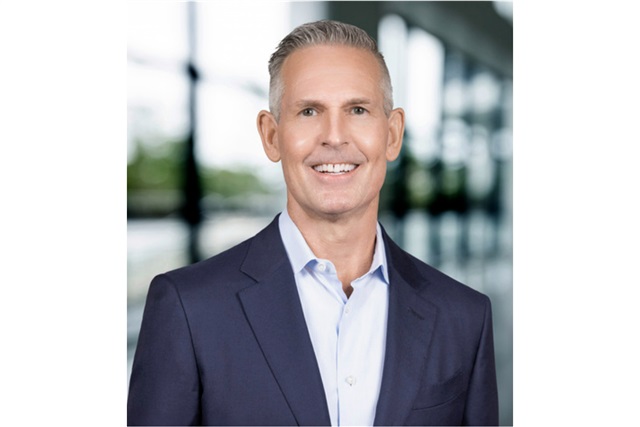
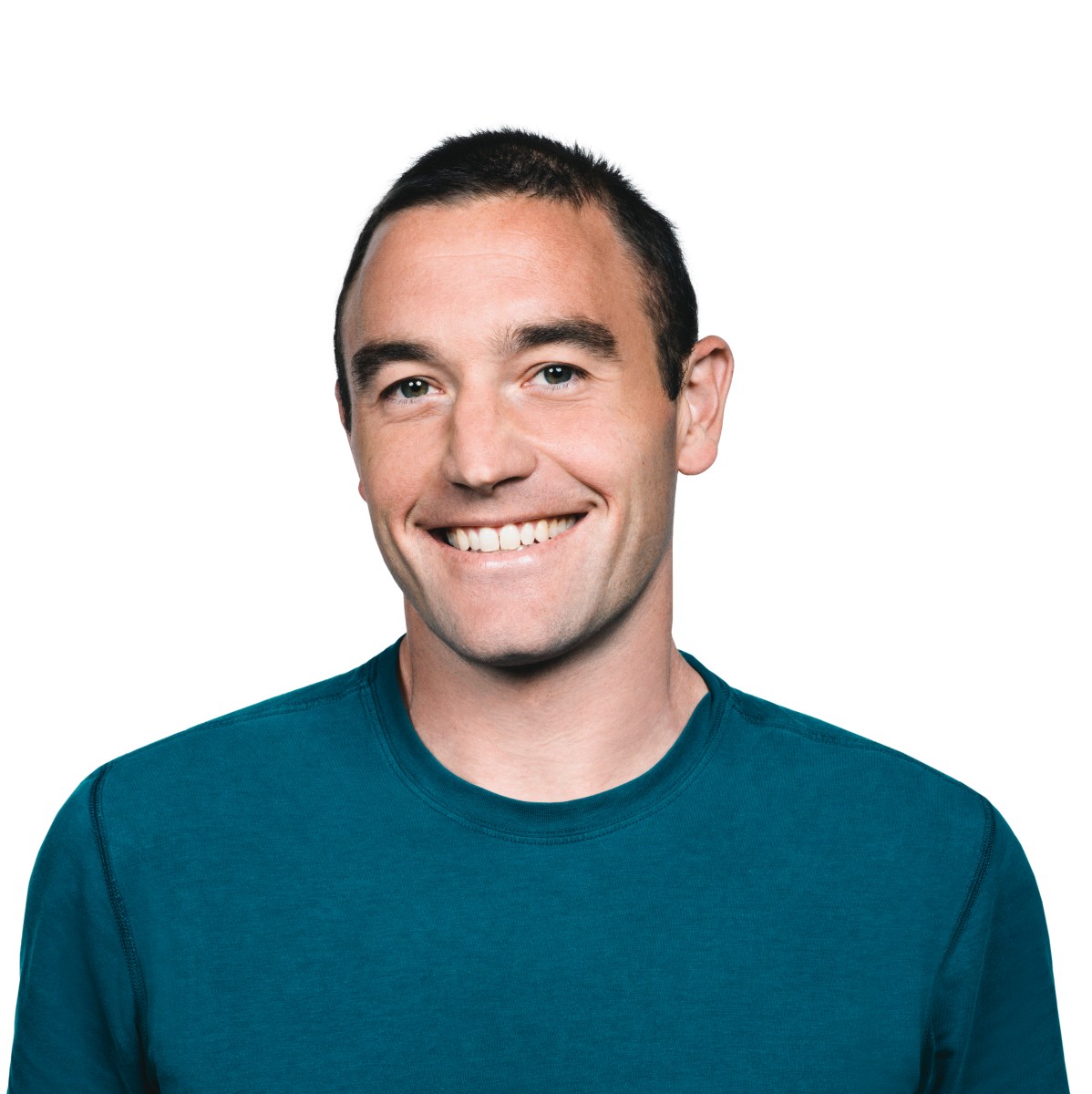
Kevin Weil, former OpenAI chief product officer and head of the company's scientific research efforts, has joined the board of Stoke Space, a Seattle startup building fully reusable rockets. Stoke has raised $1.34 billion(約2100億円) to date, including a $510 million(約820億円) Series D in 2025, and aims to fly its Nova rocket this year.
Why it matters
Weil brings experience in bridging Silicon Valley and the U.S. Department of Defense—he was one of four tech executives who joined the Army Reserve to improve recruitment and cooperation—and previously served as president of Planet Labs, a satellite company. His involvement may signal growing confidence in Stoke's ability to compete with SpaceX as demand for launch capacity outpaces supply.
What to watch
Stoke CEO Andy Lapsa stated the company has "got a good chunk of the risk behind us" but "more to go," and will "go when it's ready." The company's success hinges on military contracts and the emerging market for space-based data centers, which "really only make sense with full rapid reuse," according to Lapsa.
Summaries like this, in your inbox every morning.
Stoke Space's appointment of Weil reflects the startup's transition from an ambitious concept to near-operational status. When Stoke cofounded in 2020 and joined Y Combinator, CEO Lapsa had no fundraising experience or Silicon Valley network; Weil was an early investor through his fund Scribble Ventures and has remained involved as the company scaled to $1.34 billion(約2100億円) in total funding. His move to the board formalizes a deepening relationship at a critical juncture: Stoke has solved much of the technical risk of building a fully reusable rocket—something neither SpaceX's Starship nor Blue Origin have operationalized—but must now execute on military contracts and navigate regulatory pathways.
The business opportunity hinges on a market bottleneck the body describes: despite billions invested in new launch vehicles, there remains a shortage of rockets, and SpaceX's recent stock market debut has validated the market thesis. Lapsa noted that the idea of full rapid reuse was "out there" when Stoke started but has since been "normalized." An emerging use case—distributed data centers in space leveraging solar power—depends entirely on cheap, frequent launch access, creating a natural revenue driver if Stoke successfully operates Nova. Weil's prior roles at Planet Labs (which went public in 2021) and his connections to the Department of Defense position him to help unlock both commercial and military pathways. The company's public framing emphasizes remaining execution risk: Lapsa stated "we've got a good chunk of the risk behind us, we've got more to go," signaling that operational proof of concept remains the critical milestone.
Pick your industry and the AI tools you use, and get news related to your work every day.
Free · 30 seconds with Google · unsubscribe anytimeWhat is AIToday? →
Ask AI anything about this article. The AI reads this article, earlier AIToday articles, and Wikipedia, and cites its sources. Q&As are published on this page for other readers too.
In Q2, billionaires or their funds sold six 'Magnificent Seven' AI stocks

Nvidia was rising early Friday, even as the wider chip sector kept falling, Barron's reported
ElevenLabs completed a $300 million employee tender at a $22 billion valuation, and co-founder Mati Staniszews…

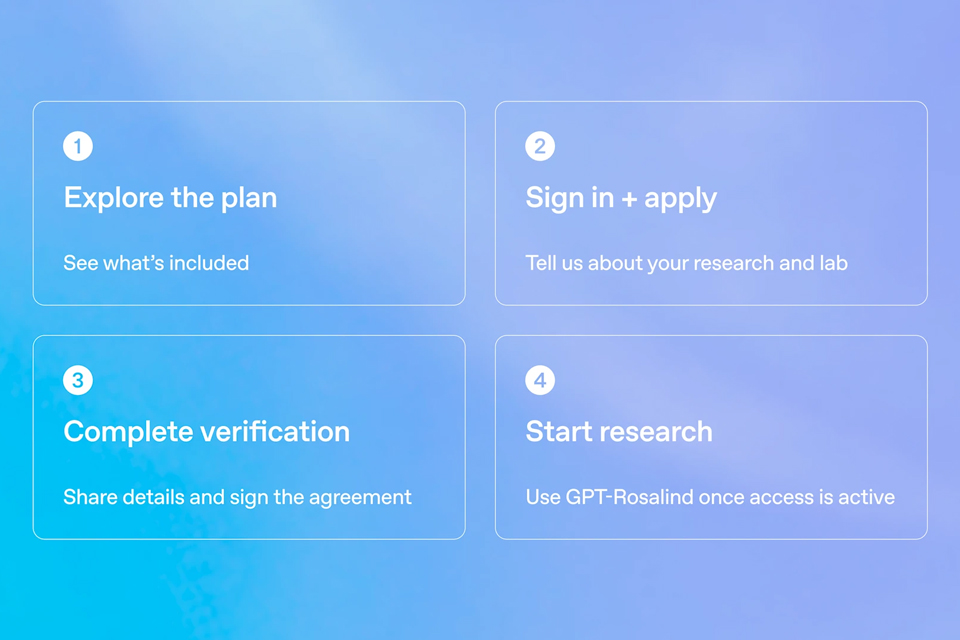
On October 15, OpenAI announced the Rosalind Academic Plan, giving approved US university labs free access to…
Neostellar Capital principal Evan Schlossman said CoreWeave's $103.7 billion in remaining performance obligati…
Supermicro Computer appointed Mark Long as chief financial officer, bringing an experienced technology finance…