What happened
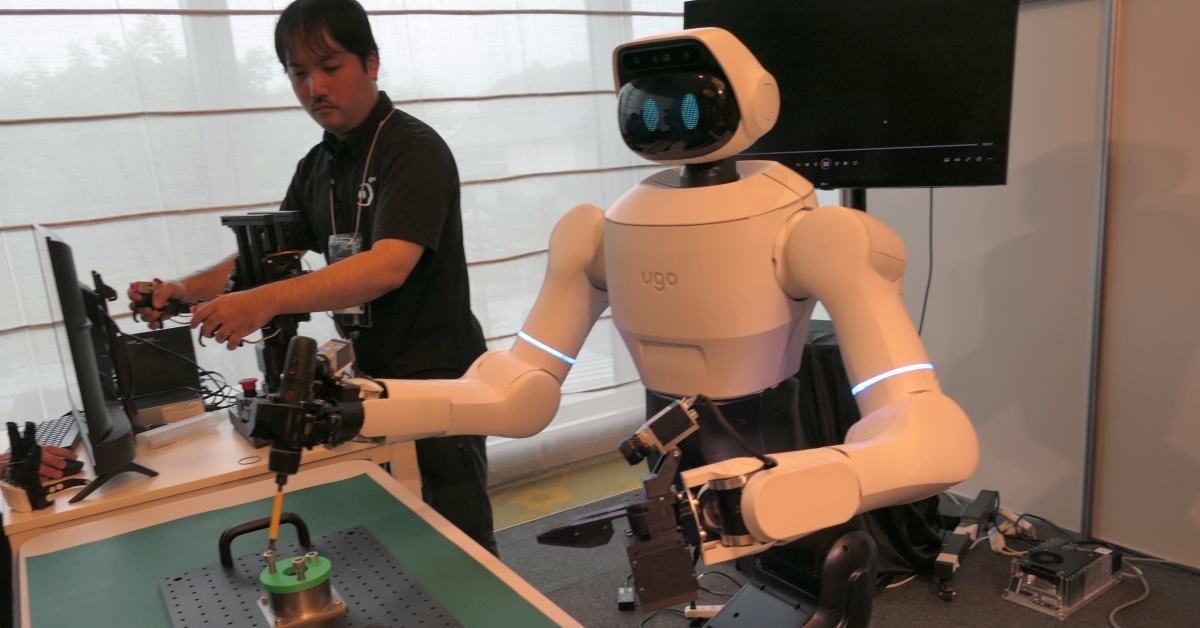
At the Physical AI Summit on September 16, 2026, AIRoA revealed prototypes from seven entrants — THK, ugo, Shionz, Keigan, Enactic, Emplifi and HatsuMuv — in its domestic general-purpose robot competition.
Why it matters
The contest is part of an AIRoA and NEDO-backed project to build Japan's own data-collection robots for physical AI, an area where the group says domestic data gathering has fallen behind.
What to watch
Whether robots clearing the trials actually get adopted as training-data platforms hinges on the competition's later phases, which run through fiscal 2027; the body does not say when winners are named.
WHO IT HITSThe result matters most to Japanese robot makers and component suppliers who want their hardware used as data-collection platforms, and to physical AI developers who need domestic training data.
Summaries like this, in your inbox every morning.
AIRoA's competition is framed by the group itself as a response to a specific bottleneck. According to AIRoA's leadership, data collection has become the hardest part of physical AI development, and while large hardware investments are being made in humanoid projects, dedicated data-collection robots have also become essential. The concern AIRoA raises is geographic: if access to those robots is lost, physical AI development itself becomes impossible, which is why the contest aims to produce such robots domestically.
The competition unfolds in three phases: a prototype phase from April to September 2026, an optimization phase from October 2026 to March 2027, and a mass-production phase from around March to July of the following year. Robots that clear the trials are to be adopted by AIRoA and others as platforms for gathering data to train robot foundation models.
The unusual part, per AIRoA's description, is the incentive: instead of prize money, selection as a data-collection platform is the reward. Whether that is enough to sustain the seven entrants is likely to depend on how many machines the later phases actually adopt.
For example, today's edition would include:
AI-summarized, only the topics you pick — one digest a day via Email, Slack, or Discord.
Free · 30 seconds with Google · unsubscribe anytimeWhat is AIToday? →
Ask AI anything about this article. Q&As are published on this page for other readers too.

