Summaries like this, in your inbox every morning.
Sign up free →A psychology professor at the University of Oslo discovered a phantom citation—a paper attributed to him that did not exist—while reviewing a manuscript for a respected journal, prompting recognition that the problem extends beyond lower-standard publications.
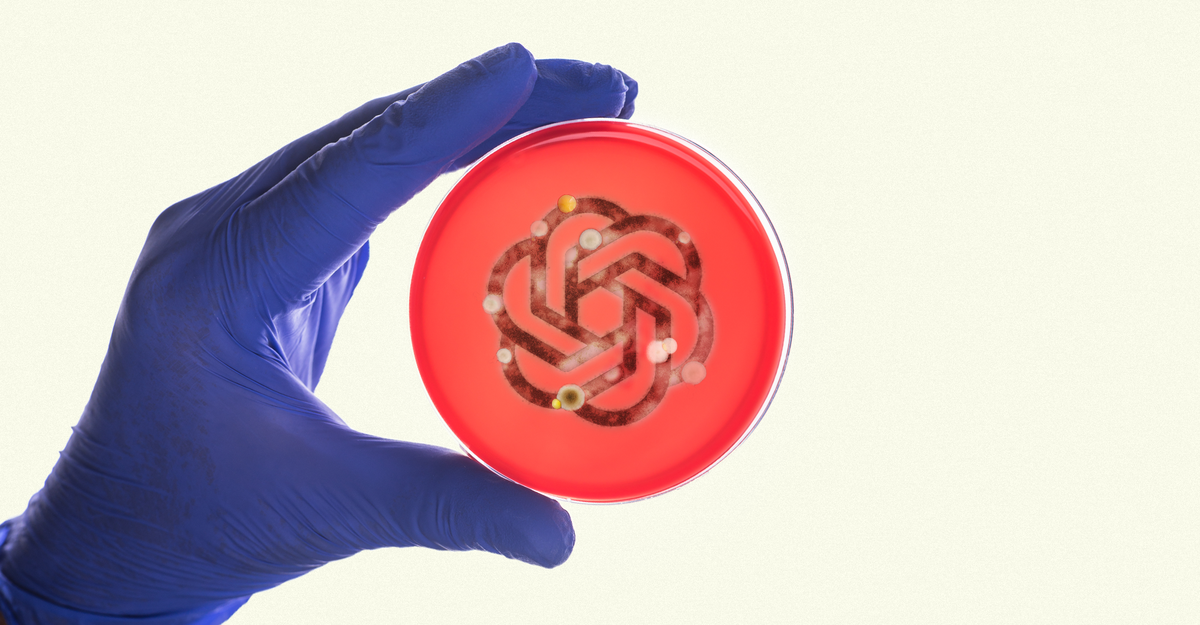
Paper mills operate at scale by recycling templates and submitting multiple papers with closely matching text; cancer research and AI research have become hotbeds for this fraud because single-protein claims and machine-learning algorithm claims require little external verification.
Peer review itself is compromised: analysis of submissions to ICLR (a leading deep learning conference) found more than half of peer reviews were written with help from an LLM, and about a fifth were wholly AI-generated; the same conference found more than 50 submissions with hallucinated citations that had not been caught during peer review.
Generative AI can produce convincing fake images—tissue slices, microscopic fields, electrophoresis gels—commonly used as evidence in biomedical research, and has created a constant arms race for publishers and editors to distinguish genuine from fraudulent work.
AI-summarized, only the topics you pick — one digest a day via Email, Slack, or Discord.
Free · takes 30 seconds · unsubscribe anytime
No discussion yet for this article
Get curated AI news from 200+ sources delivered daily to your inbox. Free to use.
Get Started FreeFree · takes 30 seconds · unsubscribe anytime
1 minute a day. The AI essentials.
200+ sources · Email / LINE / Slack
