What happened
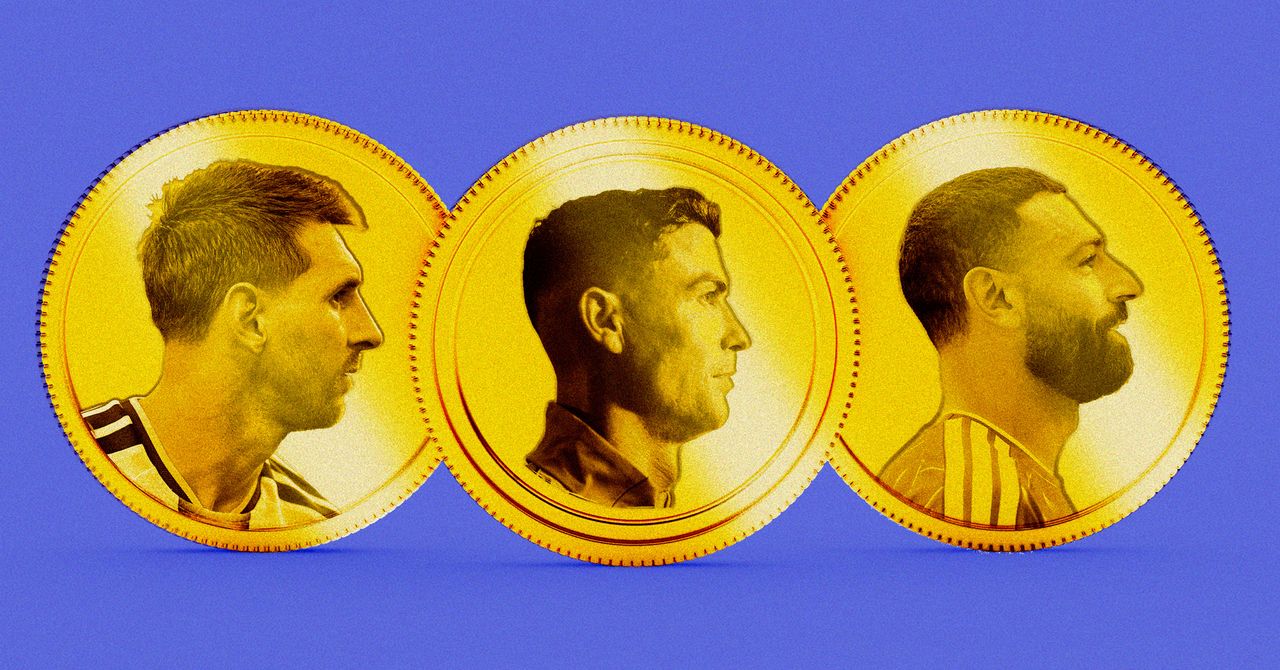
Lionel Messi and Cristiano Ronaldo have increasingly invested in equity stakes across AI, health tech, and startups, diverging from Mohamed Salah's approach of conventional endorsements and real estate. Messi launched Play Time HoldCo, a San Francisco investment firm initially targeting roughly $200 million(約320億円), with a portfolio including FieldAI, Fish Audio, World Labs, and others. Ronaldo invested in Whoop in May 2024 and paid $7.5 million(約12億円) for a 10 percent stake in HBL Pro2col Software in February 2026; Herbalife then agreed to acquire London-based Bioniq for up to $150 million(約240億円), with Ronaldo as an early investor.
Why it matters
Elite athletes are shifting from one-time endorsement fees toward ownership stakes to build sustainable wealth beyond their playing careers. Venture capital firms and startups increasingly seek celebrity investors who bring global reach, credibility, and distribution. As part of his 2023 move to Inter Miami, Messi also received an ownership component alongside salary—an unprecedented arrangement in Major League Soccer. Sportico valued Inter Miami at $1.45 billion(約2300億円) in February 2026, up 22 percent year-on-year and the highest valuation in MLS history.
What to watch
Messi's investments reflect Silicon Valley's AI boom, while Ronaldo's are centered on health technology, aligning with his personal brand around fitness and longevity. Salah's business interests remain concentrated in commercial holding companies and real estate with no publicly disclosed technology startup investments. Ronaldo reportedly received a 5 percent ownership stake in Saudi Pro League club Al-Nassr, a deal said to have been finalized in June 2025 and valued at roughly £50 million ($66.7 million(約110億円)).
Summaries like this, in your inbox every morning.
The divergence between Messi and Ronaldo's investment strategies and Salah's traditional approach reflects broader shifts in how elite athletes build wealth beyond their playing careers. Both Messi and Ronaldo have transitioned from endorsement-driven income to ownership stakes, a move supported by venture capital and startup communities seeking celebrity investors who bring distribution and credibility. Messi's Play Time HoldCo, initially targeting roughly $200 million(約320億円) and now holding a Silicon Valley–like portfolio, positions him to capture upside in AI and technology. Ronaldo's focused strategy in health technology aligns explicitly with the personal brand around fitness and longevity he has cultivated for decades, deepening his involvement with Herbalife since 2013 through complementary acquisitions like Bioniq.
Messi's unprecedented ownership component in Inter Miami—valued at $1.45 billion(約2300億円) in February 2026, up 22 percent year-on-year and the highest MLS valuation on record—exemplifies how asset ownership can outpace salary growth. This structure may signal a broader shift in sports compensation models. By contrast, Salah's business interests, as shown in UK corporate filings, remain concentrated in commercial holdings and real estate, with no publicly disclosed technology startup investments, suggesting a more conservative wealth-diversification strategy. The gap illustrates how elite athletes now face a choice between traditional models and venture-driven wealth creation.
Pick your industry and the AI tools you use, and get news related to your work every day.
Free · 30 seconds with Google · unsubscribe anytimeWhat is AIToday? →
Ask AI anything about this article. The AI reads this article, earlier AIToday articles, and Wikipedia, and cites its sources. Q&As are published on this page for other readers too.

