A framework using Large Language Models (AI systems that understand and generate text) augments autonomous vehicle decision-making by modeling multi-vehicle scenes semantically, parsing intent of surrounding agents, and selecting candidate maneuvers under jointly enforced safety and efficiency constraints.
The approach translates final driving decisions into natural-language messages broadcast through an external Human-Machine Interface (a communication system between vehicle and nearby road users), completing a loop from scene understanding to action to language.
Experiments in a cluster driving simulator demonstrate the method outperforms traditional baselines across safety, comfort, and efficiency metrics, with evaluation indicating a high degree of human-likeness in decision making.
Ask the AI about this article →
For example, today's edition would include:
AI-summarized, only the topics you pick — one digest a day via Email, Slack, or Discord.
Free · takes 30 seconds · unsubscribe anytimeWhat is AIToday? →
Ask AI anything about this article. Q&As are published on this page for other readers too.
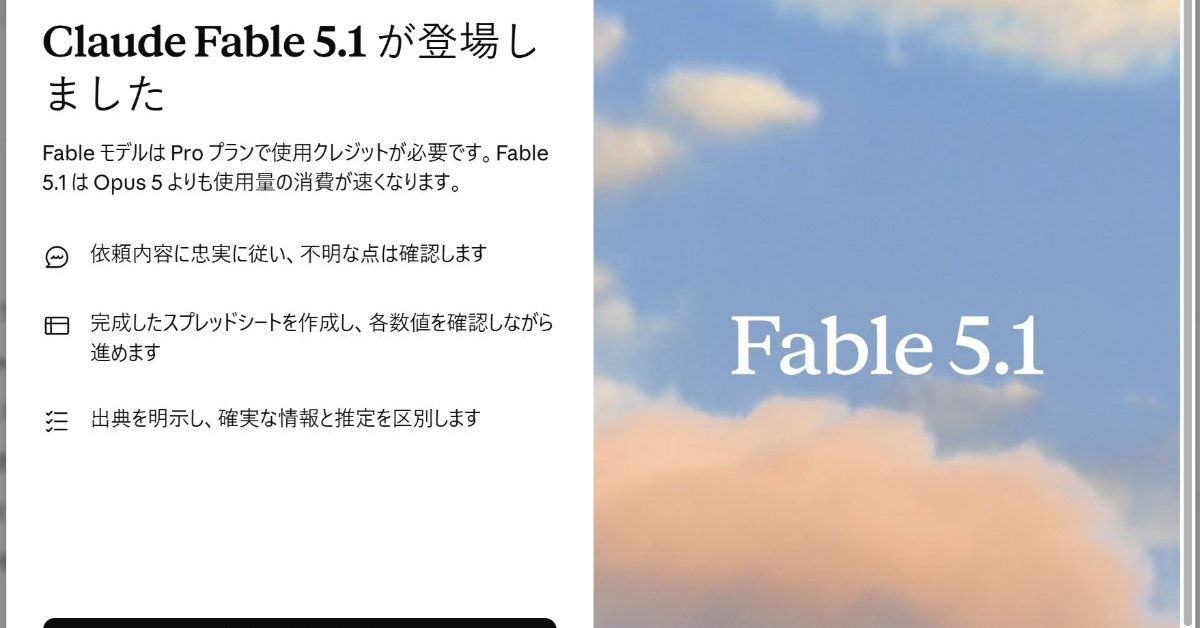
Anthropic announced Claude Fable 5.1 and Claude Mythos 5.1 on September 1
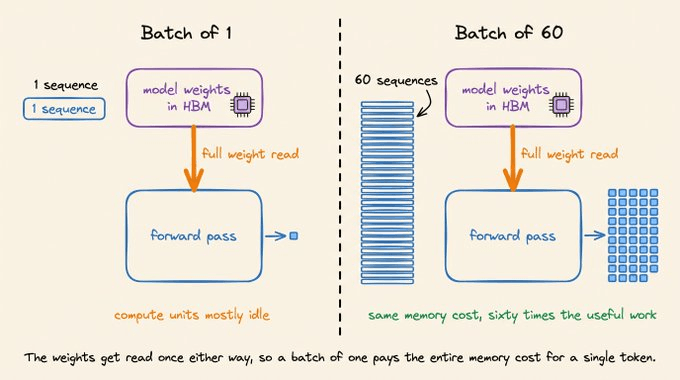
A technical explainer compares three LLM serving strategies—static, dynamic, and continuous batching
Anthropic's latest model, Claude Fable 5.1, is now available on Snowflake Cortex AI

The Allen Institute for AI released BenchMIRT, a method to audit AI benchmarks question-by-question
Google has reportedly approached major studios like Disney, Warner Bros

OpenAI shared new details on its forthcoming Astra model, which the company says is the first large language m…